
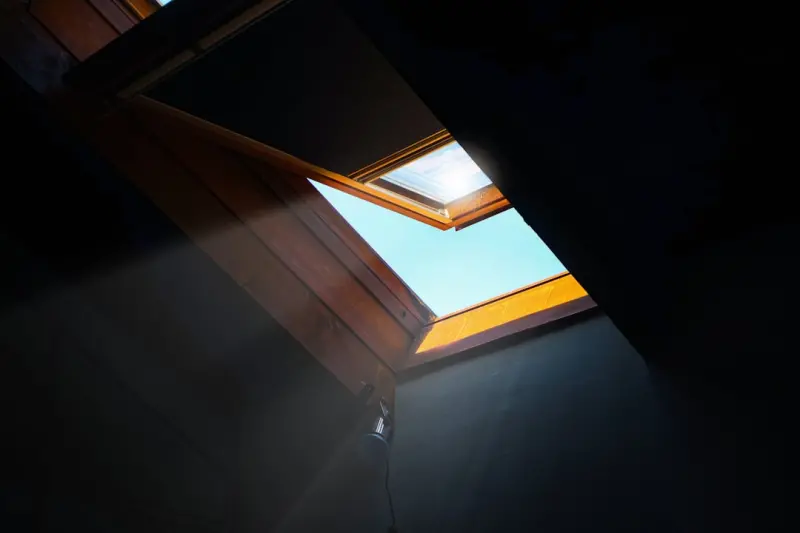
Why Window Treatments Are the New Design Hero
In my latest design explorations, I’ve found that window treatments have graduated from mere functional accessories to the centerpiece of sustainable interior storytelling, offering a rare blend of aesthetics, energy performance, and personal comfort. When a curtain, blind, or shade is thoughtfully selected, it becomes a silent moderator of sunlight, a visual anchor for room composition, and a subtle champion of reduced heating and cooling loads, all while echoing the homeowner’s values and style aspirations.
Light Mastery Meets Smart Tech
Today's tech‑savvy homeowners can now command natural light with a voice command or a smartphone swipe, thanks to motorized blinds that sync with occupancy sensors and daylight calculators, dramatically lowering unnecessary energy consumption. By integrating these systems with broader smart‑home platforms, we create a feedback loop where the house learns preferred lighting moods, adjusts shade angles at sunrise, and even closes during scorching afternoons to keep interiors cool without cranking the AC. For a deeper dive into turning shade into sustainable comfort, check out Awning Mastery: Turning Shade into Sustainable Comfort, which outlines complementary outdoor solutions.
Eco‑Friendly Fabrics and Materials
When I scout for new window treatments, I prioritize fabrics that are either renewable, recycled, or produced through low‑impact processes—think organic linen, bamboo woven panels, and reclaimed denim blends that add texture while keeping the carbon footprint light. These materials not only feel luxurious but also offer superior breathability, allowing rooms to stay fresh without over‑reliance on mechanical ventilation, and they can be sourced locally to cut transportation emissions. Pairing such responsibly sourced textiles with natural wood or reclaimed metal rods amplifies the sustainability narrative while delivering a timeless, handcrafted look.
Integrated Design: From Interior to Exterior
The most harmonious homes treat interior and exterior shading as a continuous envelope, allowing indoor curtains to echo the pattern or color of outdoor awnings, creating visual flow that extends beyond the glass plane. This holistic approach is highlighted in Designing a Sustainable Smart Sanctuary: Trends That Transform Your Home, where coordinated treatments become a strategic layer of thermal insulation and privacy without sacrificing style. By aligning indoor fabrics with external canopy materials, we amplify heat‑blocking benefits in summer and trap solar warmth in winter, effectively turning every window into a dynamic, climate‑responsive skin.
Bold Patterns and Layered Textures
Modern window treatment trends celebrate the art of layering—sheer curtains beneath blackout shades, textured woven panels over sleek roller blinds, and patterned drapery that doubles as a focal wall. These layered systems let homeowners fine‑tune glare, privacy, and ambience at a granular level while adding depth and personality to otherwise flat wall surfaces. Designers are also experimenting with oversized botanical prints, geometric motifs, and artisanal macramé, which act as sculptural elements that can redefine a room’s proportion and rhythm without the need for additional décor.
Seasonal Strategies for Energy Efficiency
Adapting window treatments to seasonal changes is a simple yet powerful way to boost a home’s energy profile: in winter, heavy drapes or insulated cellular shades capture solar gain and prevent heat loss, while in summer, reflective roller blinds or light‑colored sheer panels reflect radiant heat before it penetrates the interior. By swapping or adjusting treatments as the climate shifts, households can lower heating bills by up to 15 % and cooling costs by a similar margin, all while maintaining aesthetic coherence throughout the year. This dynamic approach aligns perfectly with a sustainable mindset that views each design decision as an opportunity to conserve resources.
Outdoor Extensions: Patios, Pergolas, and Beyond
Beyond interior windows, patio doors, skylights, and garden-facing glass walls deserve the same strategic treatment as their indoor counterparts; retractable awnings, solar‑screen pergolas, and weather‑resistant bamboo blinds extend the comfort zone outdoors, creating inviting transitional spaces that stay cool in the heat and cozy when the temperature drops. These outdoor solutions not only protect furnishings from UV damage but also reduce the reliance on indoor HVAC systems by pre‑conditioning the air before it enters the home. Pairing outdoor shading with indoor window layers creates a seamless thermal barrier that respects both design integrity and environmental responsibility.
Maintenance, Longevity, and Future‑Proofing
Investing in high‑quality, sustainably produced window treatments means committing to a maintenance routine that extends product life and preserves performance; regular dusting, gentle fabric rotations, and periodic motor calibrations keep automated systems running smoothly and fabrics looking fresh. Choosing modular designs that allow for component swaps—such as replaceable slats or detachable fabric panels—ensures that evolving trends or wear-and-tear won’t force a complete replacement, thereby reducing waste. In my experience, this forward‑thinking approach not only safeguards the homeowner’s aesthetic vision but also reinforces a circular economy mindset, where each element can be refreshed, repurposed, or responsibly recycled.

When it comes to the world of blogging and writing, Rose DesRochers is a name that stands out. Her passion for creating quality content and connecting with her audience has made her a trusted voice in the industry. Aside from her skills as a writer and blogger, Rose is also known for her compassionate nature.
Related Posts
Nature‑Inspired Window Treatments: Elevating Light, Comfort, and Sustainability
Explore fresh strategies for window treatments that blend nature, technology, and sustainability, bo... Read More

Reinventing Window Treatments: The New Frontier of Wellness and Productivity
Explore how adaptive window treatments transform indoor environments by enhancing health, reducing n... Read More
Elevating Window Treatments: Smart, Sustainable, and Sensory Solutions for Modern Homes
Explore cutting‑edge window dressing strategies that blend technology, sustainability, and design,... Read More
Top Posts
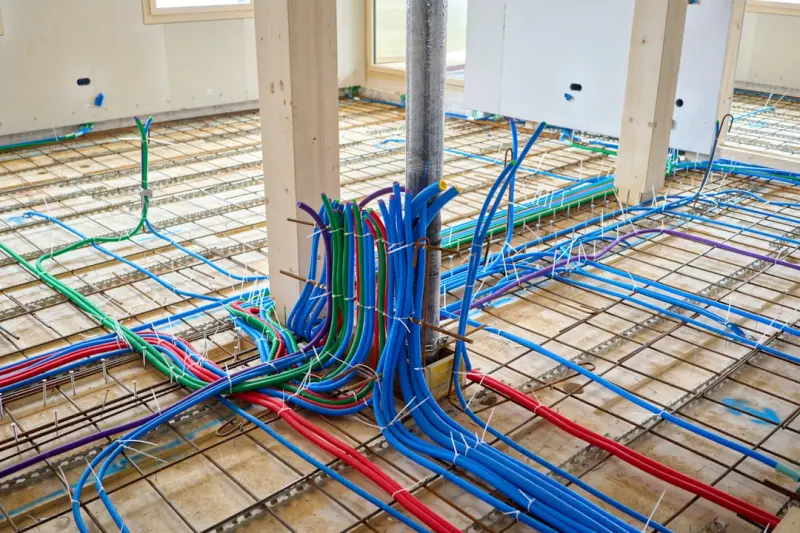
Underfoot Comfort: Rethinking Floor Heating for a Smarter, Sustainable Home
Floor heating is evolving from a simple comfort feature into a smart, sustainable platform that enhances energy efficiency, health, and design flexibility—key...Read More

Turning Reactive Repairs into Proactive Property Care: A Modern Maintenance Playbook
A seasoned property manager shares how shifting from emergency fixes to data‑driven, proactive maintenance can cut costs, boost tenant satisfaction, and turn ...Read More

Listening to Leaves: Data‑Driven Tree Care for Urban Landscapes
Kelly Reynolds shares how modern sensors, drones, and data analytics are revolutionizing tree care, enabling proactive maintenance, water savings, and stronger ...Read More

How AI Is Redefining Snow Removal for Modern Enterprises
Snow removal is evolving from a seasonal chore into a data‑driven, strategic operation. Learn how AI, IoT sensors, and subscription services can improve safet...Read More
0 Comments
Post Comment
You will need to Login or Register to comment on this post!