

Why Traditional HVAC Is Losing Its Cool
For decades, heating, ventilation, and air‑conditioning (HVAC) systems have been the unsung workhorses of commercial and residential buildings. They hum, they blow, they keep us comfortable – and they do it with a level of obliviousness that would make any seasoned mechanic cringe. The problem? Most HVAC installations still operate on a “set‑and‑forget” mindset, treating climate control as a static utility rather than a dynamic service that can learn, adapt, and predict.
The Rise of Predictive Climate Management
Enter the age of predictive HVAC. Powered by artificial intelligence, edge computing, and a growing ecosystem of low‑power sensors, modern climate systems are beginning to anticipate demand before a thermostat button is even touched. The shift is subtle but profound: instead of reacting to temperature swings, the system foresees them and adjusts proactively, delivering comfort, cutting waste, and extending equipment life.
Key Pillars of an AI‑Driven HVAC Strategy
- Continuous Data Harvesting – Temperature, humidity, CO₂, occupancy, and even external weather forecasts are streamed in real time from a network of micro‑sensors.
- Edge Analytics – Rather than sending every data point to the cloud, edge processors run lightweight machine‑learning models locally, reducing latency and preserving bandwidth.
- Predictive Modeling – Historical patterns are blended with real‑time inputs to forecast load curves for the next 5, 15, and 60 minutes.
- Automated Controls – The system adjusts fan speeds, valve positions, and compressor cycles autonomously, always staying within the comfort envelope set by the building manager.
- Feedback Loops – After each adjustment, the system validates outcomes, fine‑tuning its algorithms for future accuracy.
From Reactive to Proactive: Real‑World Benefits
When a building transitions from a reactive HVAC mindset to a proactive one, the payoff is immediate and measurable:
- Energy Savings: Studies show a 15‑30 % reduction in HVAC electricity consumption when predictive controls replace static setpoints.
- Extended Equipment Life: By smoothing out frequent start‑stop cycles, compressors and fans experience less mechanical stress, postponing costly replacements.
- Improved Indoor Air Quality (IAQ): Predictive ventilation can ramp up fresh‑air intake right before occupancy spikes, diluting pollutants before they become noticeable.
- Occupant Comfort: Comfort complaints drop dramatically because the system anticipates hot‑spot formation and pre‑cools or pre‑heats zones accordingly.
Integrating IAQ Sensors: The Missing Link
One of the most under‑leveraged opportunities in predictive HVAC is the integration of advanced indoor‑air‑quality sensors. While many building owners focus on temperature, they overlook the fact that how air moves through a space matters just as much as how hot or cold that air is. Sensors that monitor particulate matter, VOCs, and humidity can feed the same AI engine that manages temperature, enabling a holistic approach to occupant health.
Imagine a conference room where the system detects a rise in CO₂ levels five minutes before a meeting starts. It automatically increases fresh‑air intake, balances humidity, and subtly adjusts temperature—all without a single manual intervention. The result is a space that feels fresh, comfortable, and safe, fostering productivity and wellbeing.
Case Study: A Mid‑Size Office Building Cuts Energy Use by 22 %
Consider a 120,000‑square‑foot office building in the Pacific Northwest that upgraded its legacy HVAC to a predictive platform. The retrofit included:
- Installation of dynamic insulation panels equipped with temperature sensors.
- Deployment of wireless IAQ sensors in every major zone.
- Integration of a cloud‑edge hybrid AI engine that performed load forecasting and zone‑level optimization.
Within twelve months, the building reported a 22 % reduction in HVAC‑related electricity use, a 35 % decline in maintenance tickets, and a measurable improvement in occupant satisfaction scores. The AI system also identified a recurring issue with a single air‑handling unit that was under‑performing due to a clogged filter – a problem that would have taken months to discover under a traditional maintenance schedule.
Heat Pumps: The Unsung Heroes of Decarbonization
Predictive HVAC isn’t just about smarter controls; it’s also about smarter hardware. Air‑source heat pumps (ASHPs) and water‑source heat pumps (WSHPs) have matured to the point where they can replace traditional furnaces and chillers in many climates. When paired with AI‑driven load forecasting, heat pumps can operate at their most efficient part‑load points, dramatically reducing carbon footprints.
For example, a predictive algorithm can schedule a heat pump to run during off‑peak electricity periods, store thermal energy in a water‑based buffer, and then release it when demand peaks. This “thermal shifting” strategy aligns perfectly with utility demand‑response programs, turning the building into an active participant in the grid’s balancing act.
Thermal Energy Storage: A Complementary Asset
Thermal storage isn’t new, but its synergy with AI‑driven HVAC is only beginning to be explored. By coupling a chilled water tank or a phase‑change material with predictive controls, buildings can “bank” cooling or heating during low‑cost periods and draw from that bank during high‑cost peaks. The AI engine decides when to charge or discharge based on real‑time electricity pricing, weather forecasts, and occupancy schedules.
Practical Steps to Future‑Proof Your HVAC
If you’re a facilities manager, building owner, or design professional, here’s a roadmap to get started:
- Audit Existing Controls: Identify whether your current system is capable of receiving external commands (e.g., via BACnet, Modbus, or open‑protocol APIs).
- Deploy Sensors Strategically: Begin with a pilot in a high‑traffic zone. Use temperature, humidity, and IAQ sensors to build a baseline data set.
- Choose an Edge‑Ready Platform: Look for solutions that offer on‑device machine learning, OTA updates, and robust security.
- Integrate with Existing BMS: Ensure the predictive engine can communicate with your building management system for seamless data exchange.
- Start Small, Scale Fast: Run a 3‑month pilot, evaluate energy savings, and refine the model before expanding building‑wide.
- Leverage Incentives: Many utilities offer rebates for smart controls, heat‑pump installations, and demand‑response participation.
Potential Pitfalls and How to Avoid Them
While the promise of AI‑enabled HVAC is compelling, there are common challenges that can derail projects:
- Data Silos: Ensure all sensor data is aggregated in a unified platform; otherwise, the AI model will lack context.
- Over‑Automation: Maintain a manual override path. Occupants and facilities staff should be able to intervene if the system behaves unexpectedly.
- Cybersecurity Gaps: Edge devices are often the weakest link. Choose vendors that provide regular firmware patches and encrypted communications.
- Model Drift: AI models can degrade over time as building usage changes. Schedule periodic retraining cycles based on fresh data.
Looking Ahead: The Convergence of HVAC and Renewable Energy
Predictive HVAC is the bridge between traditional climate control and the emerging energy‑as‑a‑service paradigm. As on‑site renewable generation (solar PV, micro‑wind) becomes more common, AI can orchestrate HVAC loads to align with generation peaks, effectively turning a building into a self‑balancing micro‑grid. The synergy will be amplified when paired with radiant floor heating systems that can act as thermal batteries, storing excess heat for later use.
Conclusion: Comfort, Efficiency, and Health in One Intelligent Loop
The future of heating and air conditioning isn’t about bigger units or louder fans; it’s about smarter, data‑driven loops that keep occupants comfortable, reduce energy waste, and protect equipment. By embracing AI, edge analytics, and integrated IAQ sensing, building owners can transform their HVAC from a passive utility into an active, revenue‑generating asset. The technology is ready, the standards are evolving, and the incentives are waiting – all that’s left is the decision to make the leap.

Lifan Chen is a freelancer based in Toronto specializing in marketing. With expertise in crafting effective marketing strategies and campaigns, Lifan helps businesses grow their brand presence and reach target audiences. As a Toronto-based freelancer, Lifan combines local market insights with creative marketing skills to deliver tailored solutions for clients.
Related Posts
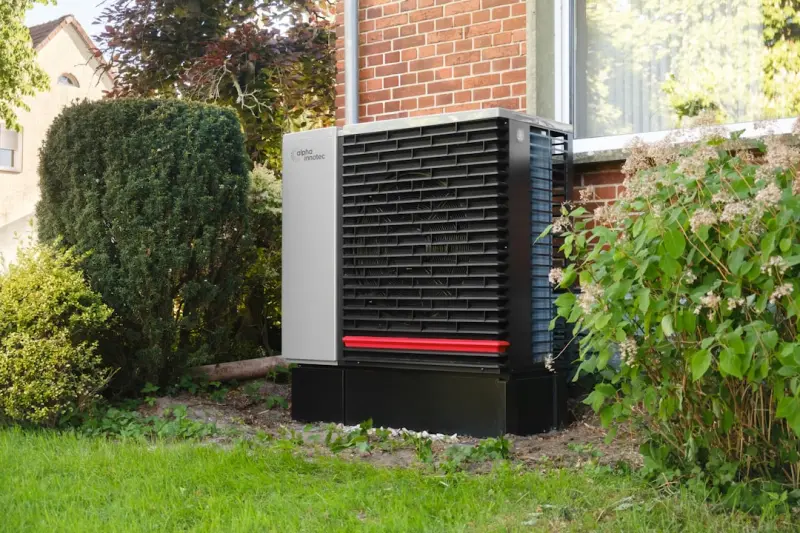
Unlocking Efficiency: How Heat Recovery Is Revolutionizing Commercial HVAC
Heat recovery captures waste thermal energy from HVAC systems, turning it into a valuable resource t... Read More

Reinventing Comfort: How AI, VRF, and Smart Envelopes Are Redefining HVAC
A deep dive into the latest HVAC innovations—AI‑powered controls, Variable Refrigerant Flow, and... Read More

Predictive HVAC: Turning Data into Comfort and Savings
Predictive HVAC leverages real‑time sensor data and AI analytics to forecast equipment failures, o... Read More
Top Posts

Turning Rooms into Storytelling Canvases: The Art of Curating Personal Narrative Spaces
Learn to transform each room into a chapter of your life, using purposeful design choices, sustainable upgrades, and flexible furniture to craft a home that nar...Read More

Unlocking the Hidden Microbial Symphony of Your Lawn
Learn why the soil microbiome is your lawn’s secret weapon and get a step‑by‑step plan to nurture it, cutting fertilizer, water, and pesticide needs while...Read More

Reframing Foundation Repair: Turning Structural Fixes into Strategic Assets
Foundation repair isn’t just a maintenance chore; it’s a strategic lever for asset value, risk mitigation, and ESG alignment. Learn how sustainable material...Read More
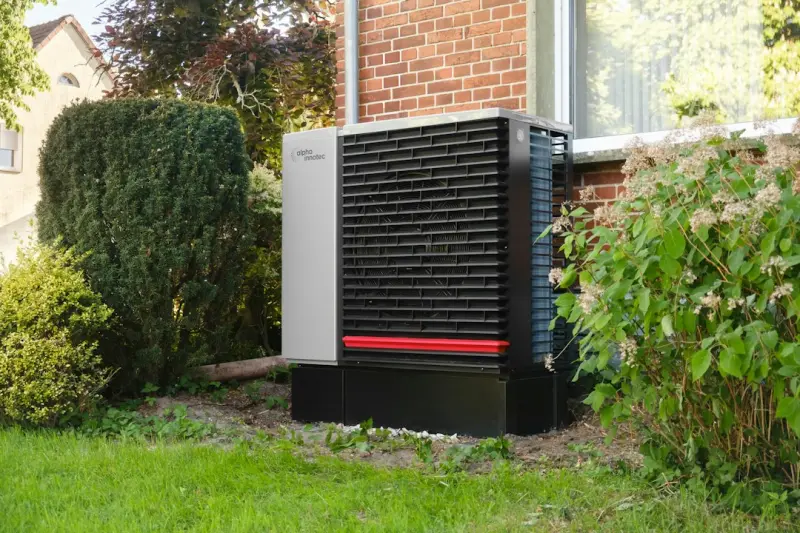
Hybrid Heat Pumps: Merging Renewable Power with Traditional HVAC for a Greener Future
Hybrid heat pumps combine modern renewable‑driven units with traditional backup heaters, delivering consistent comfort, lower utility bills, and reduced emiss...Read More
0 Comments
Post Comment
You will need to Login or Register to comment on this post!