
Facade Revival: Sustainable Strategies for Restoring Your Home’s Exterior
When I first pulled the battered siding off a century‑old bungalow in my hometown, I felt the weight of history pressing against every nail and shingle. That sensation never fades – it’s the same feeling that draws me back to a project after months of work on interior upgrades. The exterior is the public face of a home, the first line of defense against weather, and often the biggest visual cue of a building’s character. Yet, many homeowners either overlook it entirely or approach it with a one‑size‑fits‑all mindset that can do more harm than good.
In this deep‑dive, I’ll walk you through a holistic, sustainable approach to facade restoration that blends time‑honored craftsmanship with modern performance standards. From a meticulous condition audit to the final brushstroke of paint, every step is designed to preserve the soul of the structure while extending its lifespan and reducing its environmental impact.
1. Start With a Diagnostic Walk‑Through
Before you swing a hammer, you need a clear picture of what you’re dealing with. A thorough visual inspection combined with a few simple tools can uncover hidden issues that will dictate your repair strategy.
- Visual Survey: Walk the perimeter and note any cracks, spalling, discoloration, or water stains. Pay special attention to areas where different materials meet (e.g., brick to wood, stone to stucco).
- Moisture Mapping: Use a non‑contact infrared thermometer or a moisture meter to identify damp pockets behind siding or under trim. These “cold spots” often betray leaks that aren’t obvious to the naked eye.
- Structural Check: Gently press on any loose panels or bricks. A hollow sound may indicate delamination, while a “soft” feel can signal rot or deteriorated mortar.
Document your findings with photos and notes. This “as‑built” record will serve as a benchmark throughout the project and help you track progress.
2. Choose the Right Materials for the Job
Choosing materials is where the balance between authenticity and performance comes into play. Here are three guiding principles:
- Match the Original Aesthetic: If you’re restoring a historic clapboard, source reclaimed wood of similar grain and profile. For masonry, look for salvaged bricks that match the original’s hue and texture.
- Prioritize Longevity: Modern engineered wood, fiber‑cement panels, and high‑performance mortars can dramatically extend the service life of an exterior without compromising visual integrity.
- Consider the Climate: In humid regions, vapor‑permeable finishes help the wall “breathe.” In arid zones, UV‑resistant paints and reflective coatings reduce thermal gain.
When you’re unsure which product to select, I often turn to DIY insulation overhaul guides for insight on integrating thin, high‑R‑value board systems behind siding without sacrificing interior space.
3. Reinforce the Structural Backbone
Many homeowners focus solely on aesthetics, but the structural integrity of the facade is non‑negotiable. Here’s how to address the hidden skeleton:
- Repair or Replace Damaged Framing: In wood‑frame homes, look for rot in studs, joists, and sheathing. Use epoxy consolidants for minor decay, but replace sections that have lost more than 30% of cross‑section.
- Upgrade Mortar Joints: Old lime‑based mortars can be too weak for modern loads. A compatible lime‑hydraulic mortar offers flexibility and breathability while providing stronger bonds.
- Install Shear Walls or Bracing: For homes in seismic zones or areas with high wind loads, integrating discreet steel or engineered wood shear panels can dramatically improve lateral resistance.
Think of this stage as building a new skeleton that respects the original form. A well‑engineered framework reduces future maintenance and protects your investment.
4. Embrace Sustainable Weatherproofing
Weatherproofing is the unsung hero of any successful restoration. Traditional flashing and sealants often fail after a few years, especially in extreme climates. Modern solutions, however, offer durability and environmental benefits.
- Self‑Healing Sealants: Silicone‑based products that react to moisture and re‑form bonds when cracks appear.
- Dynamic Breathable Membranes: These membranes allow moisture to escape while preventing water ingress, reducing the risk of mold and rot.
- Integrated Rain Gardens: By shaping the landscape around the home to direct runoff, you lessen the burden on gutters and walls.
For those interested in turning a functional component into an asset, consider how gutter systems can evolve into data hubs, providing real‑time insights into rainfall intensity and drainage performance.
5. Upgrade Insulation Without Compromising Heritage
Adding insulation to the exterior is often the most effective way to improve a home’s energy profile, but it must be done delicately to preserve historic character.
Here’s a step‑by‑step plan:
- Exterior Rigid Insulation Panels: Install thin, high‑R‑value panels (e.g., polyisocyanurate) directly over sheathing. Their low profile minimizes changes to wall thickness.
- Ventilated Cladding System: Create a small air gap between the insulation and the new cladding. This “rain screen” approach enhances moisture management and reduces thermal bridging.
- Finish with Reclaimed Siding or Fiber‑Cement: Choose a finish that mimics the original texture. Fiber‑cement, in particular, offers excellent fire resistance and durability.
When paired with a high‑efficiency HVAC system, exterior insulation can cut heating and cooling loads by up to 30%.
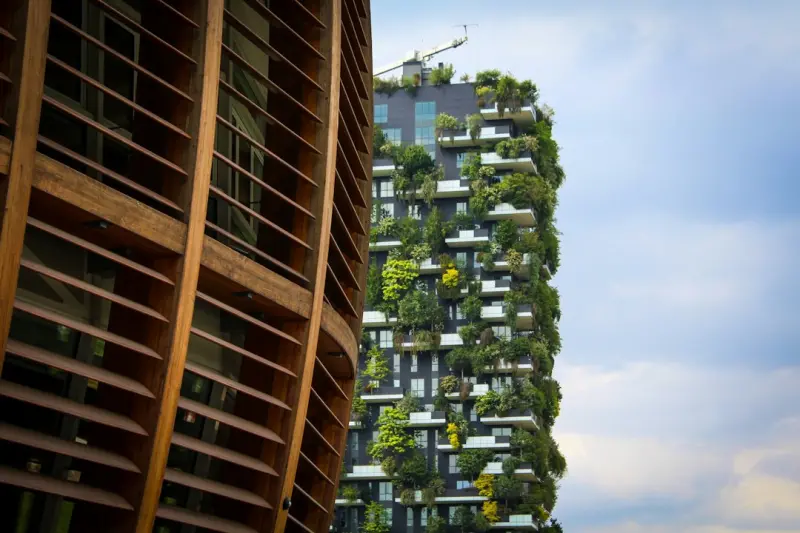
6. Add a Touch of Green – Living Facades
While many think of green walls as interior features, a well‑designed living facade can provide insulation, improve air quality, and add curb‑appeal. Here’s how to integrate one without overwhelming the historic aesthetic:
- Select Native, Low‑Maintenance Species: Plants such as creeping thyme, sedum, or native grasses cling to walls with minimal irrigation.
- Modular Pocket System: Use detachable planting modules that can be removed for maintenance or seasonal changes, preserving the underlying wall.
- Integrated Irrigation Sensors: Pair with moisture‑sensing devices that trigger drip irrigation only when needed, conserving water.
This strategy aligns with the broader movement toward biophilic design, which research shows can improve occupant well‑being and reduce stress.
7. Finish With Thoughtful Paint Choices
The final coat of paint does more than add color; it protects the underlying materials from UV degradation, moisture, and pollutants. Choose wisely:
- Breathable Paints: Elastomeric paints that allow vapor diffusion reduce the risk of trapped moisture.
- Low‑VOC Formulations: Protect indoor air quality and lessen environmental impact.
- Color Palette that Reflects Local Heritage: Research historical color palettes for your region to ensure the new finish feels authentic.
Apply paint in thin, even layers using a high‑efficiency sprayer to minimize overspray and waste.
8. Document, Monitor, and Maintain
A restoration is not a one‑off event; it’s a partnership with your home. After completion, set up a simple maintenance plan:
- Annual Visual Checks: Look for new cracks, peeling paint, or water stains.
- Seasonal Moisture Readings: Use a handheld moisture meter after heavy rains to catch early infiltration.
- Digital Twin Snapshot: Create a 3‑D model of the restored facade. Over time, you can compare scans to detect subtle changes.
For a glimpse into the future of building monitoring, explore the concept of digital twins for smarter renovations. Even a simplified model can become a valuable reference for future upgrades.
Conclusion: A Balanced Blend of Past and Future
Restoring a home’s exterior is a rewarding journey that demands respect for the past, an eye for detail, and a willingness to embrace modern technology. By following a systematic, sustainable process—diagnostic assessment, material selection, structural reinforcement, advanced weatherproofing, insulated cladding, green integration, thoughtful finishing, and ongoing monitoring—you’ll not only revive the visual appeal of your property but also fortify it against the challenges of tomorrow.
Every nail hammered and every brushstroke applied is an act of stewardship. When done right, your home becomes a living testament to craftsmanship, resilience, and the timeless dialogue between heritage and innovation.

David MacKinnon is a dynamic freelance writer known for his captivating storytelling and keen insights into the world of technology. With a passion for exploring the intersection of innovation and everyday life, he crafts engaging narratives that not only inform but also inspire his readers.
Related Posts

Breathing New Life into Historic Woodwork: A Craftsman's Restoration Guide
Discover a step‑by‑step guide to restoring crown molding, trim, and other original wood details,... Read More

Reimagining Home Restoration: Modular, Data‑Driven Solutions for Historic Homes
A deep dive into how modular restoration kits, reclaimed materials, and connected moisture sensors a... Read More

Breathing New Life into Aging Homes: A Sustainable Restoration Playbook
A deep dive into holistic home restoration, blending reclaimed materials, nanocoated paints, and sma... Read More
Top Posts
Building Tomorrow’s Homes: Harnessing Prefab Panels for Faster, Cleaner Construction
Prefabricated structural panels are transforming home building by slashing construction time, boosting quality, and reducing waste. Learn how this technology of...Read More
Solar Microgrids: Powering Modern Industrial Campuses
Solar microgrids transform industrial campuses by combining on‑site solar generation, battery storage, and AI‑enhanced controls into a resilient, cost‑eff...Read More
Sustainable Fencing Options for a Greener Future
Sustainable fencing is a critical component of a greener future. Learn about eco-friendly materials, benefits, and tips for choosing the right fencing for your ...Read More
Elevating Commercial Spaces with Wallpaper
Wallpaper is no longer just a decorative finish; it offers acoustic dampening, thermal regulation, brand storytelling, and embedded technology, making it a stra...Read More
0 Comments
Post Comment
You will need to Login or Register to comment on this post!