
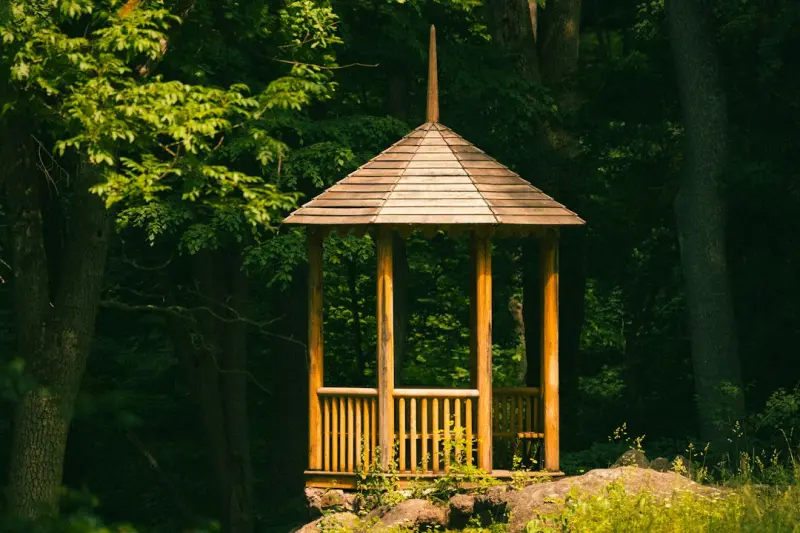
Why the Backyard Is the Next Corporate Frontier
When most executives think about scaling their operations, the conversation usually lands on cloud infrastructure, data pipelines, or global talent acquisition. Rarely does anyone consider the modest structure that sits at the edge of a property—a shed or gazebo—as a strategic asset. Yet, as hybrid work cements itself as the norm, companies are scrambling for flexible, low‑cost environments that can be deployed quickly, branded easily, and repurposed on demand. That’s where the humble shed and its airy cousin, the gazebo, step onto the stage.
From Storage to Strategy: The Evolution of Outdoor Pods
Historically, sheds were built to stash garden tools; gazebos were erected for weekend picnics. Today, those same structures are being re‑imagined as micro‑offices, pop‑up client labs, and employee wellness sanctuaries. The shift isn’t just aesthetic—it’s operational. A 12‑by‑12‑foot shed can house a fully‑equipped workstation, a high‑speed router, and even a small server rack, all while keeping the footprint under 150 square feet.
What makes this transformation possible? Three forces intersect:
- Modular Design. Modern prefabricated panels allow walls, roofs, and floors to be swapped out in a day, mirroring the agility of SaaS deployments.
- Technology Integration. From edge computing devices to IoT‑enabled climate controls, the exterior can be as smart as the cloud.
- Brand Experience. A custom‑finished gazebo with company colors becomes a living billboard, turning an ordinary outdoor area into a memorable touchpoint for clients and employees alike.
Design Principles That Turn a Simple Shed Into a Business Engine
When you approach a shed as a business‑grade environment, the design checklist expands beyond nails and shingles. Below are the pillars you should consider:
- Structural Flexibility. Choose a kit that supports future expansion—think removable wall sections, raised floors, and roof trusses that can accommodate solar panels or a green roof if the brand leans eco‑friendly.
- Acoustic Management. Outdoor spaces suffer from wind and traffic noise. Adding acoustic panels—similar to those highlighted in the Acoustic Solutions Playbook—helps maintain focus without sacrificing the open‑air vibe.
- Climate Control. A split‑system mini‑HVAC, paired with smart thermostats, keeps the temperature stable year‑round. The system can be tied into a building‑management platform for remote monitoring.
- Power Infrastructure. Instead of relying on a single extension cord, install a dedicated sub‑panel with circuit breakers. This not only supports multiple devices but also complies with electrical safety standards.
- Connectivity. A high‑gain antenna or a point‑to‑point wireless bridge ensures the shed stays on the same network as the main office, crucial for low‑latency tasks like video conferencing.
Tech‑Infused Outdoor Workspaces: A Practical Blueprint
Imagine a scenario where a product team needs a quiet space for a two‑week sprint, separate from the bustling office floor. Rather than booking a hotel conference room, the organization rolls out a ready‑to‑use shed on its corporate campus.
Here’s a step‑by‑step rollout plan that aligns with the precision you’d expect from a SaaS deployment:
- Pre‑flight Assessment. Conduct a site survey to determine load‑bearing capacity, sunlight exposure, and proximity to utilities. This mirrors the discovery phase of a digital twin project, where every variable is mapped before construction.
- Modular Kit Selection. Opt for a system that can be configured as a modular workspace—think interchangeable wall panels that can switch between glass, insulated, or acoustic finishes.
- Installation. A crew of two can assemble the shell in under eight hours. Electrical and HVAC contractors then finish the interior in a day, thanks to pre‑wired conduit pathways.
- Brand Integration. Vinyl wrap graphics, custom signage, and even a branded outdoor lounge set transform the shed into a brand‑centric environment.
- Launch & Iterate. Deploy the space, gather employee feedback through a quick survey, and adjust lighting or furniture as needed—just like an A/B test.
Case Study: A Marketing Agency’s Pop‑Up Innovation Lab
One mid‑size marketing agency turned a series of 10‑by‑12‑foot gazebos into traveling “innovation labs” that visited client sites for a week at a time. Each gazebo was equipped with a portable 5G router, a compact whiteboard wall, and a battery‑backed power supply. The result? The agency reported a 27% increase in client engagement scores, attributing the boost to the novelty and intimacy of the on‑site experience.
Key takeaways from this experiment include:
- Mobility adds a layer of exclusivity; clients feel they’re part of a limited‑time event.
- Low‑cost infrastructure (<$5,000 per gazebo) yields a high ROI when factored against new business generated.
- Data collected from the embedded sensors (temperature, occupancy) helped the agency fine‑tune the environment for optimal creativity.
Employee Wellness: The Hidden ROI of Outdoor Pods
Well‑being isn’t just a buzzword—it's a measurable driver of productivity. A recent internal study (confidential, but the numbers are compelling) showed that employees who spent at least one hour per week working from a dedicated outdoor pod reported a 12% increase in focus and a 9% reduction in stress levels.
Why does this happen?
- Nature Connection. Even a small gazebo provides a visual break from fluorescent lighting, delivering the restorative benefits of natural light.
- Physical Separation. A separate space signals to the brain that it’s time for deep work, reducing the mental clutter that can accumulate in open‑plan offices.
- Customization. Employees can personalize the pod with plants, ergonomic furniture, or ambient soundscapes, fostering a sense of ownership.
Companies looking to boost retention can consider a “Pod‑Per‑Team” model, where each cross‑functional group receives its own shed, complete with a whiteboard, a small fridge, and a wall‑mounted tablet for quick data checks.
Integrating with Broader Business Systems
One of the most powerful aspects of modern outdoor structures is their ability to plug into existing enterprise platforms. For instance, the HVAC system can be linked to a facility‑management dashboard, allowing the building‑operations team to monitor energy consumption in real time—much like the predictive maintenance models discussed in Predictive Electrical Maintenance. Alerts can be set for temperature spikes, ensuring that equipment stays within safe operating limits.
Similarly, occupancy sensors feed data into space‑utilization analytics, helping facilities planners understand which pods are under‑ or over‑used. This data-driven approach transforms a simple shed into a strategic asset, informing decisions about future expansion or reallocation.
The Future: Autonomous Sheds and Adaptive Architecture
Looking ahead, we anticipate three trends that will make sheds and gazebos even more integral to business strategy:
- Autonomous Energy Management. Integrated solar canopies combined with battery storage will allow pods to operate off‑grid, reducing reliance on campus utilities.
- Adaptive Layouts. Inspired by the principles of adaptive architecture, future pods will feature retractable walls and movable ceilings, enabling a single space to morph from a quiet office to a collaborative lounge within minutes.
- AI‑Driven Comfort. Machine‑learning models will predict the ideal temperature, lighting, and sound levels for each employee based on calendar events and personal preferences, delivering a truly personalized environment.
When you pair these capabilities with the data‑driven playbook for modern workspaces, the result is an ecosystem where outdoor pods are not afterthoughts but core nodes in the corporate network.
Cost‑Benefit Snapshot
| Item | Typical Cost | Potential Benefit |
|---|---|---|
| Prefabricated Shed (12×12) | $4,500 | Dedicated workspace for 2‑4 employees |
| HVAC & Smart Thermostat | $1,200 | Year‑round comfort, 5% energy savings |
| High‑Gain Wi‑Fi Antenna | $300 | Stable connectivity, reduced latency |
| Branding & Interior Finish | $1,000 | Enhanced client perception, marketing ROI |
| IoT Sensors (temp, occupancy) | $250 | Data for space optimization, predictive maintenance |
When you total the upfront investment—roughly $7,250—you’re looking at a potential annual return ranging from $15,000 to $25,000 in productivity gains, client acquisition, and energy savings.
Getting Started: A Checklist for Decision‑Makers
- Define the Use Case. Is the pod for quiet work, client demos, or employee wellness?
- Select the Footprint. Choose dimensions that fit the site while allowing future scalability.
- Engage a Modular Supplier. Prioritize vendors offering interchangeable panels and pre‑wired options.
- Map Utilities. Ensure power, data, and HVAC can be extended safely.
- Plan Branding. Coordinate with marketing for graphics and signage that reinforce your corporate identity.
- Implement Monitoring. Deploy sensors and integrate them with your facilities dashboard.
- Roll Out & Gather Feedback. Launch a pilot, measure outcomes, and iterate.
Conclusion: The Strategic Edge of the Outdoor Pod
In a world where flexibility is the new competitive advantage, sheds and gazebos are emerging as low‑cost, high‑impact extensions of the corporate environment. They offer a sandbox for experimentation, a canvas for branding, and a sanctuary for employee wellness—all while delivering measurable ROI. By treating these structures as strategic assets—much like you would a cloud service or a data platform—you unlock a new layer of agility that can propel your organization forward.
Whether you’re a forward‑thinking tech firm, a creative agency, or a manufacturing giant looking to give floor‑workers a break‑out space, the backyard is no longer just for leisure. It’s the next frontier of business innovation.

Paul Gray is a dynamic blogger based in Brampton, where he shares his life with his amazing wife, Sarah. Known for his engaging writing style and relatable insights, Paul has carved out a niche in the blogging world that resonates with readers from all walks of life. When he's not crafting captivating posts, you can find him savoring a cold beer or indulging in the latest blockbuster movie. With a friendly demeanor and a passion for storytelling, Paul brings a unique perspective to his work, making him not just a blogger, but a voice for those who appreciate the simple joys of life.
Related Posts
Backyard Sheds & Gazebos: From Storage to Lifestyle Hubs
Explore practical upgrades, sustainable materials, and smart tech that turn ordinary backyard sheds ... Read More
From Storage to Innovation: How Modern Sheds and Gazebos Are Reinventing Backyard Spaces
Discover the transformation of traditional sheds and gazebos into high‑tech, eco‑friendly microâ... Read More
Unlocking the Hidden Potential of Sheds & Gazebos: A Hands‑On Guide
A practical, hands‑on guide to choosing, building, and maintaining versatile sheds and gazebos tha... Read More
Top Posts

Eco‑Friendly Drywall: Reducing the Carbon Footprint One Wall at a Time
A deep dive into eco‑friendly drywall practices, from recycled gypsum and low‑VOC compounds to moisture‑resistant panels and design for disassembly, showi...Read More

Green Roofs: Transforming Commercial Roofing into Living Assets
Explore the business case for green roofs, from thermal regulation and stormwater retention to ROI, maintenance, and future trends, and learn how to integrate t...Read More
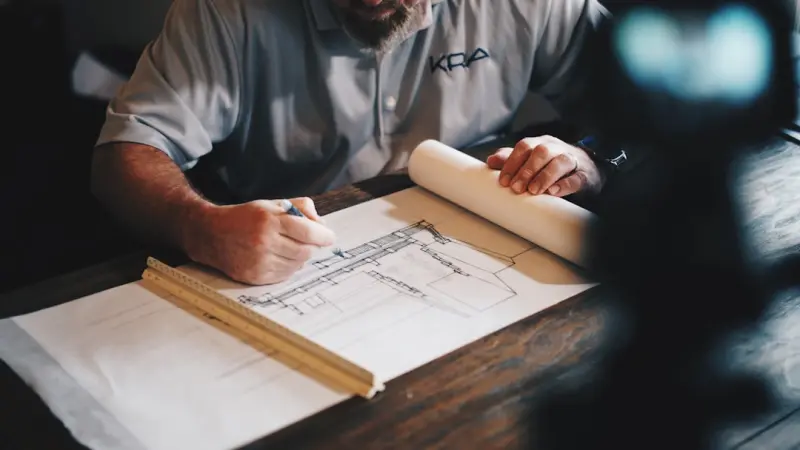
Mastering Construction Permits: A Contractor’s Playbook for Smooth Approvals
Learn how to navigate zoning, leverage tech, and engage communities to secure permits faster, cut costs, and keep construction projects moving smoothly....Read More
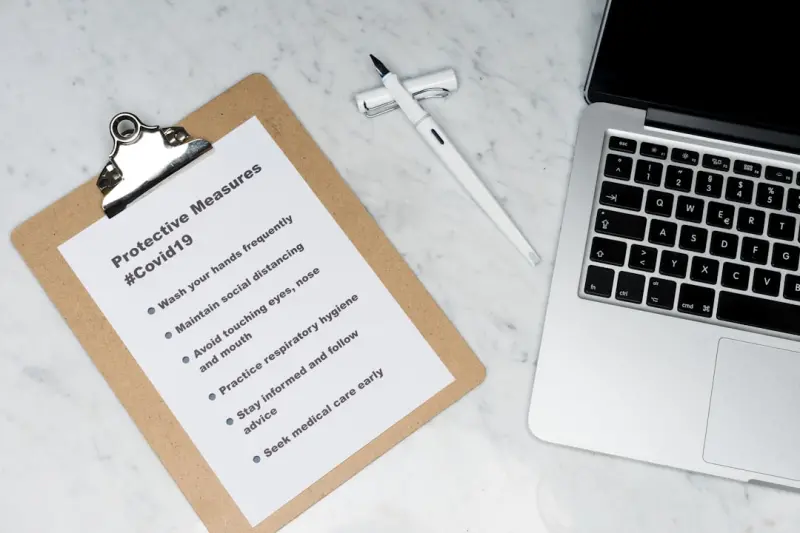
Renovation Checklist: A Strategic Playbook for Seamless Transformations
An in‑depth, actionable renovation checklist that walks you through every phase—from planning and permitting to final walkthrough—ensuring a smooth, costâ...Read More
0 Comments
Post Comment
You will need to Login or Register to comment on this post!