

From Backyard Hideaway to Business Booster: How Modern Sheds & Gazebos Are Redefining Small‑Scale Commerce
When I first inherited my grandparents’ ramshackle garden shed, I thought of it as a dusty storage closet for tools and old paint cans. Fast‑forward a decade, and that same wooden box has morphed into a pop‑up boutique where I showcase locally‑crafted pottery, host weekend workshops, and even accept online orders. If you’re reading this and wondering whether your own shed or gazebo could become a revenue‑generating asset, you’re not alone. Across the country, entrepreneurs are discovering that the humble out‑building is the perfect low‑cost platform for testing product ideas, building community, and scaling micro‑businesses without the overhead of a brick‑and‑mortar storefront.
Why the Shed Revolution Is Happening Now
Several macro trends have converged to create the perfect storm for the shed‑to‑storefront movement:
- Remote work fatigue – After years of logging on from a kitchen table, many professionals crave a separate, purpose‑built space that feels both professional and personal.
- Hyper‑local consumerism – Shoppers are increasingly seeking products with a clear, local provenance. A shed on a quiet street instantly conveys “hand‑made, community‑focused.”
- Rising real‑estate costs – Commercial leases in urban cores can drain a fledgling budget. An out‑building on your property offers a zero‑rent, zero‑utility‑bill alternative.
- Advances in modular construction – Prefabricated panels, insulated walls, and plug‑and‑play electrical kits make it possible to turn a basic shed into a climate‑controlled showroom in a weekend.
These forces aren’t just theoretical; they’re reshaping how small‑scale brands think about physical presence. The question now is how to leverage a shed or gazebo without ending up with a half‑finished “DIY disaster.” Below, I’ll walk you through the five pillars of a successful backyard commerce strategy.
1. Choose the Right Footprint: Size, Shape, and Functionality
Not every shed is created equal. The first step is to match the structure’s dimensions to the intended use:
- Retail pop‑up – A 10×12‑foot footprint with a wide front door, shelving, and a modest display area works well for clothing, accessories, or art.
- Workshop or studio – If you need space for tools, a workbench, and a few machines, aim for at least 12×16 feet and prioritize sturdy flooring.
- Hybrid café/gazebo – A gazebo with a built‑in counter, shade cloth, and power outlets can host tasting events or coffee mornings.
Don’t forget the “future‑proofing” factor. A modular design that can be expanded or reconfigured means you won’t have to start from scratch when your product line grows.
2. Insulate, Light, and Vent – The Triple‑Threat of Comfort
Comfort isn’t a luxury; it’s a necessity for both you and your customers. An uninsulated shed may be fine for storing garden tools, but it’s a nightmare for a clothing boutique or a pottery studio. Here’s a quick checklist:
- Insulation – R‑value 13–15 for walls and ceiling works for most temperate climates. Use spray‑foam or rigid foam panels for a fast, DIY‑friendly solution.
- Lighting – Natural daylight reduces energy use and creates a welcoming ambiance. Install skylights or translucent polycarbonate panels.
- Ventilation – A combination of passive vents and an exhaust fan keeps humidity in check, especially important for ceramics or textiles.
For a deeper dive into integrating smart climate control, see how smart sensors can monitor temperature, humidity, and even air quality in real time.
3. Power Up Smartly – From Plug‑And‑Play to Renewable Micro‑Grid
Electricity is the lifeblood of any modern retail space. You don’t need a full‑blown solar microgrid (that’s a separate conversation), but a few thoughtful upgrades can make your shed both functional and eco‑friendly:
- Plug‑and‑play solar kits – Small roof‑mounted panels paired with a battery bank can power lights, a POS system, and a low‑energy refrigerator.
- Energy‑monitoring outlets – Install smart plugs that track usage, helping you stay within a modest budget.
- Wi‑Fi extenders – A reliable connection is essential for processing payments and managing inventory.
If you’re curious about how a subscription‑based handyman service can keep your electrical setup humming, check out why handyman services are shifting to subscriptions. Regular, scheduled maintenance prevents costly outages and prolongs the life of your equipment.
4. Sustainable Materials – The Circular Economy at Home
Today's consumers care about the story behind the product and the story behind the space that displays it. Using reclaimed wood, recycled metal fasteners, or upcycled pallets not only reduces waste but also creates a narrative you can share with shoppers.
The principles of the circular economy can be applied on a backyard scale. For example, you might source reclaimed barn beams for the roof, use reclaimed brick for an outdoor patio, and repurpose old windows as display cases.
Beyond the “green” badge, sustainable construction often yields superior durability. Properly treated reclaimed timber can outlast new lumber, especially when it’s already seasoned.
5. Brand Experience – Turning a Simple Structure Into a Destination
Even the most perfectly built shed can fall flat if the brand experience feels generic. Here are three low‑cost tactics to make your out‑building feel like a destination:
- Storytelling signage – A handcrafted wooden sign that tells the origin of your products invites curiosity.
- Interactive elements – A small “make‑your‑own” station where visitors can assemble a mini‑product (think mini‑terrariums or custom keychains) builds emotional attachment.
- Community calendars – Host monthly workshops, pop‑up collaborations with neighboring artisans, or weekend farmers’ market stalls. Consistent events turn a once‑a‑month curiosity into a weekly habit.
When you combine these experiential layers with a well‑curated product line, the shed becomes more than a retail space—it becomes a community hub that drives repeat traffic and word‑of‑mouth referrals.
Case Study: The “Garden‑Gate” Pop‑Up Boutique
Let me illustrate with a real‑world example. A local herbalist named Maya transformed a 12×12‑foot wooden shed into the “Garden‑Gate” pop‑up boutique. Here’s how she applied the five pillars:
- Footprint – Chose a rectangular layout to accommodate both product shelves and a small tasting bar.
- Comfort – Added insulated panels and a small ceiling fan, keeping the interior at a steady 70°F even on summer days.
- Power – Installed a 200‑watt solar panel kit that powers LED lighting and a POS tablet.
- Sustainability – Constructed the shed from reclaimed cedar, sourced locally, and used reclaimed glass jars for product packaging.
- Brand Experience – Hosted weekly “Herb‑Talk” sessions where customers learned to brew their own teas, turning foot traffic into education.
Within six months, Maya reported a 40% increase in sales compared to her previous market stall, all while cutting overhead by 70%.
Common Pitfalls and How to Avoid Them
Even with a solid plan, many entrepreneurs stumble on predictable obstacles:
- Regulatory blind spots – Check local zoning laws before you start. Some municipalities require permits for any commercial activity, even on private property.
- Under‑estimating inventory space – Use vertical shelving and modular storage solutions to maximize limited square footage.
- Neglecting weatherproofing – A leaky roof can ruin inventory overnight. Invest in quality flashing and sealant.
- Ignoring accessibility – A ramp or a level threshold ensures you comply with ADA guidelines and welcomes all customers.
Future‑Proofing: From Seasonal Pop‑Up to Year‑Round Brand Anchor
Once your shed has proven its commercial viability, consider scaling in two directions:
- Physical expansion – Add a second adjoining structure, like a gazebo, to host larger events or a small café corner.
- Digital integration – Pair the physical space with an online store that highlights the “behind‑the‑scenes” story of the shed’s construction and daily operations.
Both paths keep the brand grounded in its original authenticity while allowing for growth beyond the backyard.
Final Thoughts: Your Shed Can Be More Than a Storage Unit
In an era where authenticity, sustainability, and community are paramount, the backyard shed is emerging as the ultimate low‑risk incubator for small businesses. By thoughtfully addressing size, comfort, power, materials, and experience, you can transform a simple out‑building into a thriving micro‑enterprise that resonates with modern consumers.
So, the next time you glance at that weather‑worn structure behind your house, ask yourself: What story could it tell? What revenue could it generate? What community could it nurture? The answer might just surprise you.

When it comes to the world of blogging and writing, Rose DesRochers is a name that stands out. Her passion for creating quality content and connecting with her audience has made her a trusted voice in the industry. Aside from her skills as a writer and blogger, Rose is also known for her compassionate nature.
Related Posts
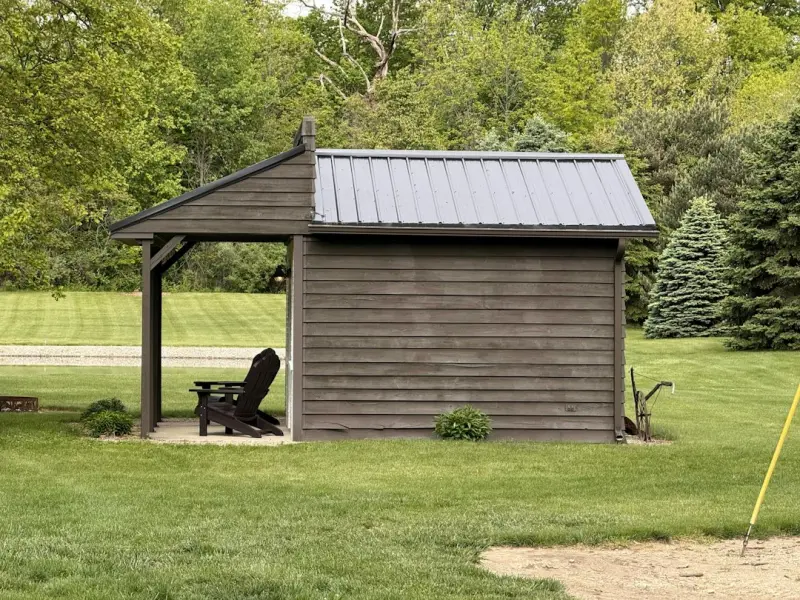
From Storage to Innovation: How Modern Sheds and Gazebos Are Reinventing Backyard Spaces
Discover the transformation of traditional sheds and gazebos into high‑tech, eco‑friendly microâ... Read More
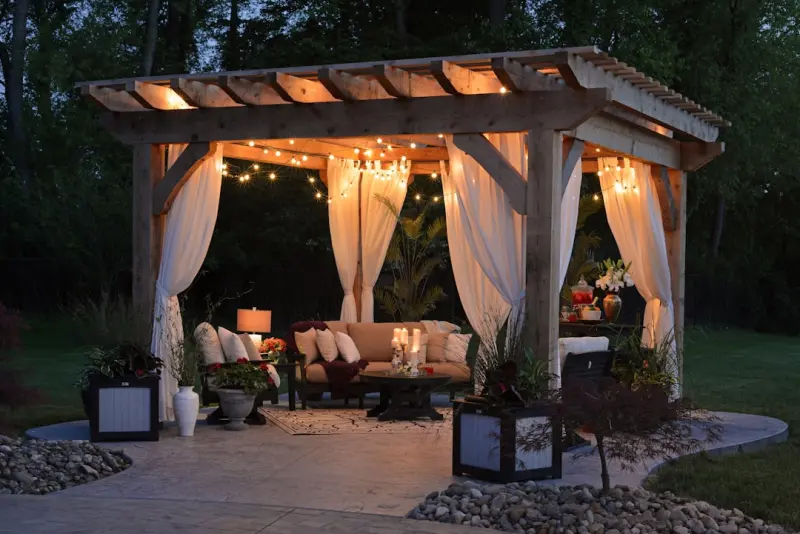
Reimagining Sheds and Gazebos as Creative Outdoor Outposts
Explore how to convert ordinary sheds and gazebos into multi‑purpose outdoor outposts for work, we... Read More
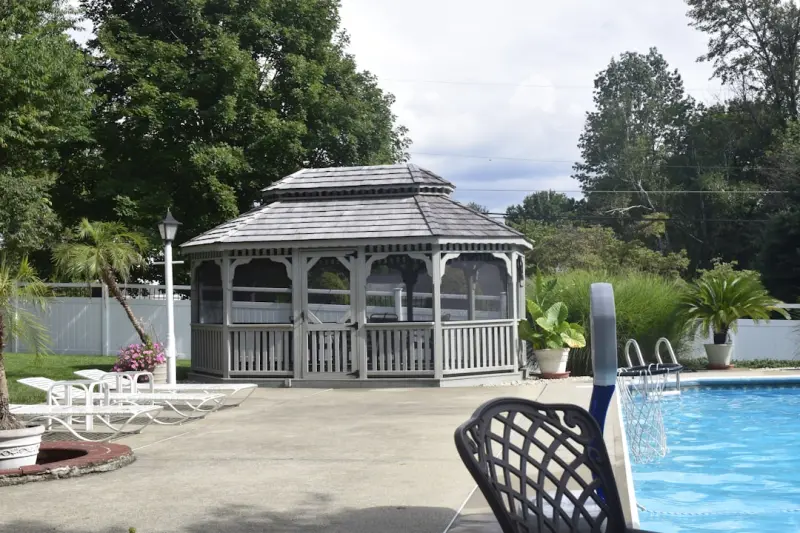
Backyard Structures: Turning Sheds & Gazebos Into Profitable Mini‑Enterprises
Explore a fresh business model that repurposes garden sheds and gazebos into pop‑up shops, craft w... Read More
Top Posts

Insulation Insights: Turning Your Home’s Skin Into a Smart, Sustainable Shield
Explore a fresh take on insulation that balances eco‑friendly materials, smart home integration, and adaptive design to create a healthier, more resilient liv...Read More

The Intersection of Lawn Care and Sustainable Living
Learn how to create a sustainable lawn care plan that promotes soil health, conserves water, and minimizes waste, and discover the benefits of sustainable lawn ...Read More
Roofing Redefined: Turning Your Building’s Crown into a Smart, Sustainable Asset
Explore the future of roofing as a strategic platform that combines smart sensors, carbon‑negative materials, and solar storage to cut costs, boost property v...Read More

Adaptive Reuse: Turning Legacy Buildings into Future‑Ready Commercial Spaces
Adaptive reuse lets businesses preserve cultural heritage, cut costs, and boost sustainability. Learn the strategic steps, technology tools, and design principl...Read More
0 Comments
Post Comment
You will need to Login or Register to comment on this post!