
Why the Modern Workspace Needs a Closet Revolution
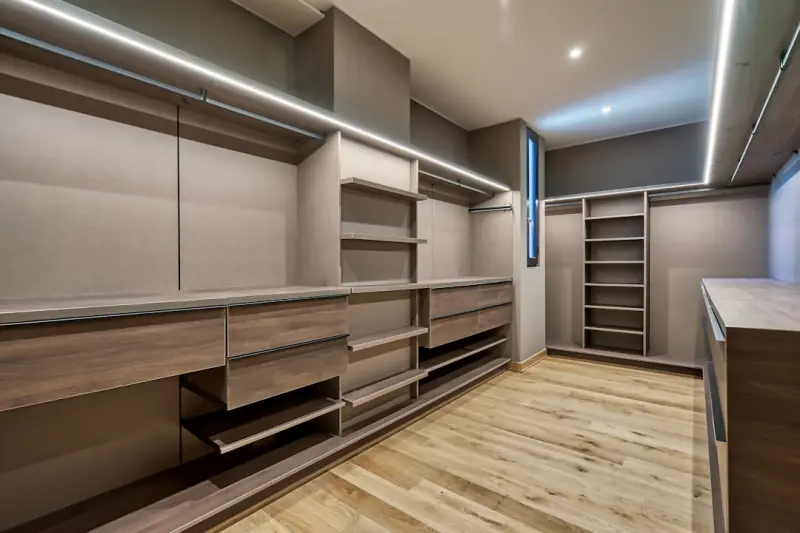
When we think about office upgrades, we often picture open‑plan layouts, ergonomic chairs, or high‑speed Wi‑Fi. Yet the most overlooked element that can quietly shift employee morale and operational cost is the humble closet. In today’s hybrid work environment, where personal items, tech gear, and seasonal supplies share cramped corners, a well‑engineered storage system becomes a strategic asset—not just a place to stash jackets.
The Cost of Ignoring Closet Chaos
Cluttered closets are more than an aesthetic annoyance. They create bottlenecks during fire drills, increase cleaning time, and even affect air flow, subtly raising HVAC load. A study from a leading facilities management firm showed that offices with disorganized storage reported a 12 % dip in perceived productivity during the first quarter after moving in. Employees spend precious minutes hunting for a spare charger or a forgotten project binder, time that could be redirected to core tasks.
Modular Systems: The Building Blocks of Flexibility
Enter modular closet solutions. These are prefabricated units that can be reconfigured on‑site with minimal tools. Because each module is self‑supporting, you can add height, depth, or extra shelves without committing to permanent construction. The result is a storage ecosystem that evolves with your organization’s needs—whether you’re expanding a sales team, adding a new product line, or simply rotating seasonal promotional materials.
- Scalable footprint: Start with a single wall‑mounted unit and expand horizontally or vertically as inventory grows.
- Standardized components: Uniform hardware reduces maintenance costs and simplifies vendor negotiations.
- Rapid deployment: Installation times drop from weeks to days, keeping disruption to a minimum.
Integrating Storage with the Human Experience
People spend a disproportionate amount of time deciding where to place personal items. By offering dedicated, aesthetically pleasing compartments—think lockable drawers for personal tech, pull‑out racks for reusable water bottles, and hanging sections for professional attire—you signal respect for employee well‑being. This small gesture can improve satisfaction scores and lower turnover, especially for firms that champion a “bring‑your‑self‑to‑work” culture.
Case Study: A Co‑Working Hub That Got Its Act Together
A mid‑size co‑working operator recently retrofitted its 15,000 sq ft facility with a series of modular closet blocks. The design included integrated lighting and a brushed‑metal finish that matched the lobby aesthetic. Within six months, the operator reported a 9 % reduction in cleaning hours and a noticeable uptick in member referrals. The success was partially attributed to the way the closets kept shared equipment—projectors, adapters, and even portable whiteboards—organized and readily accessible.
Linking Storage to Building Performance
While closets may seem isolated, they interact with the broader building envelope. Poorly ventilated storage can trap dust, affecting indoor air quality. By selecting modules with perforated backs or built‑in ventilation pathways, you help maintain a healthier environment. For a deeper dive on how seemingly minor building components impact overall comfort, see the article on clean ducts. The principles are analogous: proactive maintenance of hidden systems yields measurable returns.
Technology Meets Tangibility: Smart Features Without the Gimmick
Adding sensors to closets doesn’t have to be overkill. Simple weight sensors can alert facilities teams when a unit is overloaded, preventing structural strain. RFID tags on high‑value assets provide an audit trail, reducing loss and simplifying inventory checks. These low‑cost tech layers blend seamlessly with the modular hardware, offering data‑driven insights without turning the closet into a tech showcase.
Design Harmony: Aligning Storage with Brand Identity
Every touchpoint in a workplace contributes to brand perception. Customized panel finishes, branded signage, and color‑coded shelving can reinforce corporate identity. A retailer that emphasizes sustainability, for example, might choose reclaimed wood panels for its closets, echoing its product ethos. The visual cohesion extends the brand narrative beyond the sales floor and into the back‑of‑house operations.
Financial Upside: Turning Storage Into an Asset
Investing in modular closets is not a sunk cost; it’s an asset that can be re‑valued. Because the units are non‑structural, they can be disassembled and relocated when you outgrow a space, preserving capital. Moreover, the reduction in time spent searching for items translates into higher billable hours for service‑based firms. An internal audit of a consulting practice showed that streamlined storage saved an average of 15 minutes per employee per week—a modest figure that compounds into significant revenue over a fiscal year.
Implementation Checklist
- Assess current inventory: Conduct a walkthrough to identify what items are stored, how often they are accessed, and which categories need dedicated space.
- Map out traffic patterns: Ensure closet locations do not impede primary pathways or emergency exits.
- Select module dimensions: Choose depth and height that accommodate the largest items while leaving room for future expansion.
- Plan for ventilation: Incorporate perforated back panels or built‑in vents to promote airflow.
- Integrate low‑tech sensors: Add weight or occupancy sensors where appropriate.
- Coordinate branding: Align finishes and signage with overall design language.
- Schedule phased rollout: Pilot in a high‑traffic area before full deployment.
Beyond the Office: Storage Solutions for Remote Workers
Hybrid work models mean that a portion of your workforce operates from home. Providing remote employees with a virtual “closet audit”—a checklist to optimize their personal workspace—can extend the benefits of organized storage beyond the office walls. Offer a stipend for modular shelving or a curated list of recommended products. The consistency in organization reinforces a unified company culture, even when teams are dispersed.
Future‑Ready or Future‑Proof?
Rather than trying to predict every possible change, focus on adaptability. Modular closets give you the leeway to respond to new business lines, regulatory shifts, or emerging technologies without a major remodel. That flexibility is the real competitive edge in an era where change is the only constant.
Closing Thoughts
Closets have long been the backstage crew of office design—essential, yet invisible. By treating them as strategic touchpoints, you unlock hidden efficiencies, elevate employee experience, and protect your bottom line. Whether you’re a property manager, facilities director, or startup founder, consider the modular closet not as an afterthought but as a foundational element of a resilient, productive workplace.

David MacKinnon is a dynamic freelance writer known for his captivating storytelling and keen insights into the world of technology. With a passion for exploring the intersection of innovation and everyday life, he crafts engaging narratives that not only inform but also inspire his readers.
Related Posts

Revolutionizing Closet Organization: The Sustainable Approach
Discover the benefits of sustainable closet design and learn practical tips on how to transform your... Read More
Smart Closet Design: Modular, Tech‑Enabled Solutions for Small Spaces
Transform cramped closets into sleek, modular systems with smart tech, vertical storage, and sustain... Read More
Intelligent Closet Systems: Turning Office Storage into a Strategic Asset
Explore the shift from static shelves to intelligent storage ecosystems that save time, cut costs, a... Read More
Top Posts

Securing Your Sanctuary: The Ultimate Guide to Home Alarm Systems
Learn how to secure your home and loved ones with a reliable home alarm system. Discover the benefits, features, and tips for selecting the right system for you...Read More
Predictive HVAC: Turning Climate Control into a Competitive Advantage
Predictive HVAC shifts climate control from reactive fixes to data‑driven optimization, delivering lower costs, healthier indoor air, and a sustainability edg...Read More

The Importance of Tree Care: A Comprehensive Guide
Tree care is crucial for maintaining the beauty and health of your property. Learn about the importance of pruning, planting, and maintenance to ensure your tre...Read More

Warmth Beneath the Past: Integrating Radiant Floor Heating into Historic Homes
A guide to seamlessly installing radiant floor heating in historic properties, balancing preservation with modern comfort, energy savings, and smart controls....Read More
0 Comments
Post Comment
You will need to Login or Register to comment on this post!