
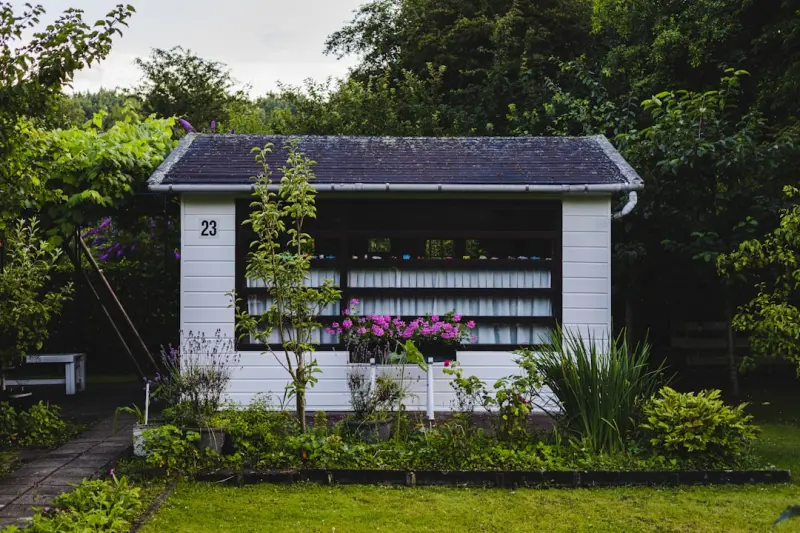
Why Sheds and Gazebos Are the Underrated MVPs of Modern Outdoor Living
When the conversation turns to outdoor upgrades, most homeowners gravitate toward flashy decks, high‑tech pools, or sprawling gardens. Yet, tucked in the corners of many backyards lies a humble hero that rarely gets the spotlight: the shed or gazebo. I’ve spent the better part of a decade repurposing these structures, turning them from simple storage boxes into vibrant extensions of home life. In this deep dive, I’ll share the unexpected ways these modest buildings can elevate comfort, productivity, and sustainability—without demanding a full‑scale renovation.
From “Stuff‑Holder” to “Lifestyle Hub”: The Evolution of Purpose
Historically, sheds were relegated to the role of “where the mower lives,” while gazebos were little more than decorative pergolas. The shift began when families started seeking flexible spaces that could adapt to the ebb and flow of daily routines. Think of a backyard studio for remote work, a seasonal art studio, a children’s play enclave, or even a mini‑gym. The key is recognizing that the core structure—four walls (or an open roof) and a roof—offers a blank canvas for functional transformation.
Here’s a quick checklist to gauge your shed’s potential:
- Location: Proximity to the house, sun exposure, and privacy.
- Size: Square footage that matches intended activities without feeling cramped.
- Foundation: Concrete slab, deck pads, or a simple gravel base—each affects insulation and durability.
- Ventilation: Natural airflow vs. mechanical solutions for climate control.
- Electrical Capacity: Pre‑wired options simplify adding lights, outlets, or smart devices.
Designing for Comfort: Insulation, Lighting, and Acoustics
Comfort is the linchpin that separates a makeshift office from a place you actually want to spend time. While many assume sheds are “cold and drafty,” a few strategic upgrades can change the game.
Insulation: Rigid foam board or spray‑foam insulation can be installed between wall studs, providing a thermal barrier that keeps the space warm in winter and cool in summer. Pair this with a reflective roof coating to deflect solar gain on hot days.
Lighting: Natural light is priceless, but it’s not always reliable. Layered lighting—ambient ceiling LEDs, task‑oriented desk lamps, and accent strips for mood—creates a versatile environment. Consider smart bulbs that adjust color temperature throughout the day to mimic sunrise and sunset, supporting circadian rhythms.
Acoustics: A surprisingly quiet workspace can boost productivity. Acoustic panels made from recycled denim or cork absorb echo, while heavy curtains double as thermal blankets and sound dampeners.
Powering the Space: Off‑Grid Options and Smart Integration
One of the most exciting trends I’ve witnessed is the rise of off‑grid energy solutions for backyard structures. A small solar array mounted on the roof can feed a battery bank, providing enough juice for lighting, a laptop, and a portable HVAC unit. Add a Smart Garage Construction-style energy management system, and you have a self‑contained hub that monitors usage, alerts you to maintenance needs, and even integrates with home automation platforms.
If solar isn’t feasible, a wind turbine or a portable generator can supplement power. The goal is to make the shed or gazebo a stand‑alone node in your property’s energy ecosystem, reducing reliance on the main grid and lowering operating costs.
Material Matters: Sustainable Choices That Add Character
Beyond function, the materials you choose tell a story. Reclaimed barn wood, engineered bamboo, and recycled steel are gaining traction for their low environmental impact and unique aesthetic.
Reclaimed Wood carries the patina of previous lives—knots, nail holes, and weathered grain—that can’t be replicated with new lumber. When properly treated, it offers durability and a warm, rustic charm.
Engineered Bamboo is a fast‑growing, renewable resource. Its composite panels resist moisture and warping, making them ideal for humid climates.
Recycled Steel frames are incredibly strong yet lightweight. They provide a sleek, modern look and can be paired with wooden cladding for a hybrid aesthetic.
Choosing sustainable materials also aligns with the broader move toward climate‑responsible landscaping. Pairing your shed with native plantings creates a micro‑ecosystem that supports local wildlife and reduces irrigation demand. For a deeper dive into integrating outdoor structures with eco‑friendly design, see Designing Climate‑Smart Landscapes.
Multipurpose Layouts: Configuring the Space for Flexibility
One of the biggest mistakes homeowners make is locking a shed into a single use. Instead, think in modules:
- Work Zone: A compact desk, ergonomic chair, and cable management system.
- Creative Zone: A sturdy workbench, wall‑mounted storage for tools or art supplies, and a fold‑down easel.
- Relaxation Zone: A plush rug, a small bookshelf, and a floor lamp for evening reads.
- Fitness Zone: Wall‑mounted resistance bands, a fold‑away treadmill, and a mirror for form checks.
Using mobile partitions or sliding doors lets you reconfigure the layout on the fly, turning a quiet studio into a lively gathering space within minutes.
Weatherproofing: Extending the Season
In many regions, the utility of an outdoor structure is limited by the seasons. However, a few upgrades can dramatically extend the usable months:
- Storm‑Ready Roofing: Metal or standing‑seam roofs shed rain and snow efficiently, reducing leak risk.
- Weather Stripping: Foam or silicone strips around doors and windows block drafts.
- Floor Heating: Electric radiant floor mats add warmth without bulky radiators.
- Screen Enclosures: For gazebos, retractable screens keep insects out while allowing airflow.
- Retractable Canopies: Motorized awnings can be extended during rain or retracted for sunshine.
These enhancements not only improve comfort but also protect the structure from moisture‑related damage, extending its lifespan.
Integrating Smart Technology: From Convenience to Health
Smart tech isn’t just for the main house. Adding a few devices can turn your shed into a wellness‑focused sanctuary.
- Air Quality Sensors: Track CO₂, humidity, and VOCs, then trigger ventilation fans as needed.
- Smart Thermostats: Maintain optimal temperature with remote control via smartphone.
- Voice‑Activated Assistants: Manage lighting, music, and reminders without leaving your desk.
- Security Cameras: Keep an eye on equipment and deter theft.
These tools create a seamless, low‑maintenance environment that encourages regular use, whether for work, hobby, or relaxation.
Case Study: Turning a 12×12 Shed into a Year‑Round Creative Studio
One of my recent projects involved a client who owned a modest 12‑by‑12‑foot shed that had become a “junk closet.” After a thorough assessment, we implemented the following upgrades:
- Replaced the original plywood walls with reclaimed barn wood panels, preserving the rustic vibe.
- Installed spray‑foam insulation and a reflective roof coating for temperature stability.
- Mounted a 250‑watt solar panel array with a battery backup, powering LED lights and a small portable AC unit.
- Added a wall‑mounted fold‑down desk, pegboard for tool storage, and a portable easel.
- Integrated an air quality sensor linked to a silent exhaust fan, ensuring fresh air during paint sessions.
- Finishing touches: a reclaimed wooden bench, a small herb garden on the windowsill, and a Bluetooth speaker for background music.
The result? A fully functional, climate‑controlled studio that the client now uses for painting, virtual meetings, and yoga. The shed’s annual energy consumption dropped by 30% compared to using the main house’s HVAC system, and the client reported a noticeable boost in productivity and creativity.
Budget‑Friendly DIY Upgrades: Getting More Bang for Your Buck
Not everyone has the capital for a full remodel, but small, strategic investments can make a world of difference.
- Insulation Kits: Pre‑cut foam boards are affordable and easy to install yourself.
- LED Strip Lights: Provide bright, energy‑efficient illumination and can be controlled via a smartphone app.
- Weatherproof Paint: A high‑quality exterior paint adds a protective layer while refreshing the look.
- Modular Shelving: Stackable, metal shelving units create flexible storage without permanent construction.
- Portable Heaters: Small, oil‑filled radiators are cost‑effective for winter warmth.
These upgrades can be completed over a weekend, delivering immediate improvements in comfort and usability.
Future‑Proofing: Preparing for the Next Wave of Outdoor Living Trends
While we can’t predict every trend, there are a few directions that seem inevitable:
- Biophilic Design: Incorporating natural elements—living walls, water features, and abundant plantings—into shed interiors.
- Modular Expandability: Designing sheds that can be easily extended with additional modules as needs grow.
- Health‑Centric Features: Integrating circadian lighting, air purification, and ergonomic furnishings.
- Zero‑Carbon Footprint: Achieving net‑zero energy usage through combined solar, wind, and high‑efficiency appliances.
By keeping these future trends in mind during the planning stage, you can avoid costly retrofits down the line and ensure your shed or gazebo remains a valuable asset for years to come.
Conclusion: Embrace the Quiet Power of Your Backyard’s MVP
Sheds and gazebos are no longer just after‑thought structures. With thoughtful design, sustainable materials, and smart technology, they can become the heart of a home’s outdoor lifestyle—supporting work, creativity, wellness, and community. Whether you’re a DIY enthusiast, a remote‑worker seeking a dedicated nook, or a homeowner eager to boost property value, consider the humble shed as your next big upgrade. The possibilities are as expansive as your imagination, and the return on investment—both financial and personal—can be truly transformative.

David MacKinnon is a dynamic freelance writer known for his captivating storytelling and keen insights into the world of technology. With a passion for exploring the intersection of innovation and everyday life, he crafts engaging narratives that not only inform but also inspire his readers.
Related Posts
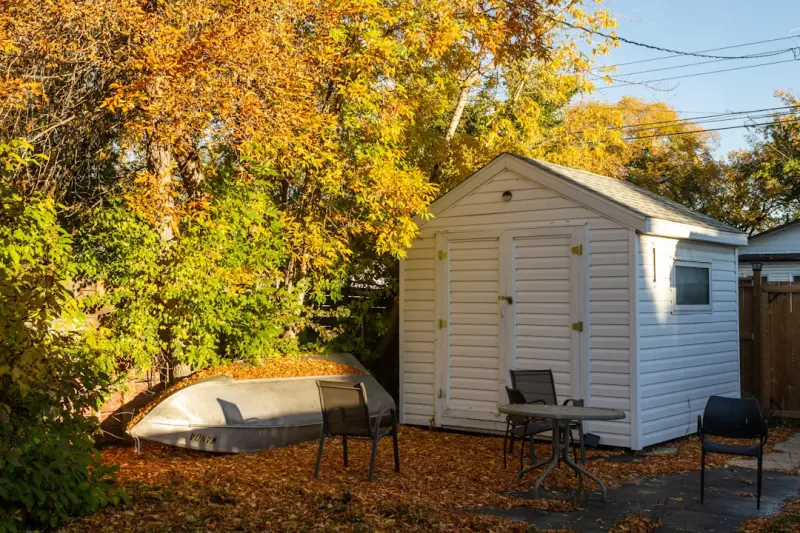
From Backyard Shed to Productivity Hub: Designing a Flexible Outdoor Workspace
Transform an ordinary shed into a bright, eco‑friendly office space that boosts focus, blends indo... Read More

Creating Eco-Friendly Outdoor Spaces: Sustainable Sheds and Gazebos
Learn how to create eco-friendly outdoor spaces with sustainable sheds and gazebos, reducing your en... Read More
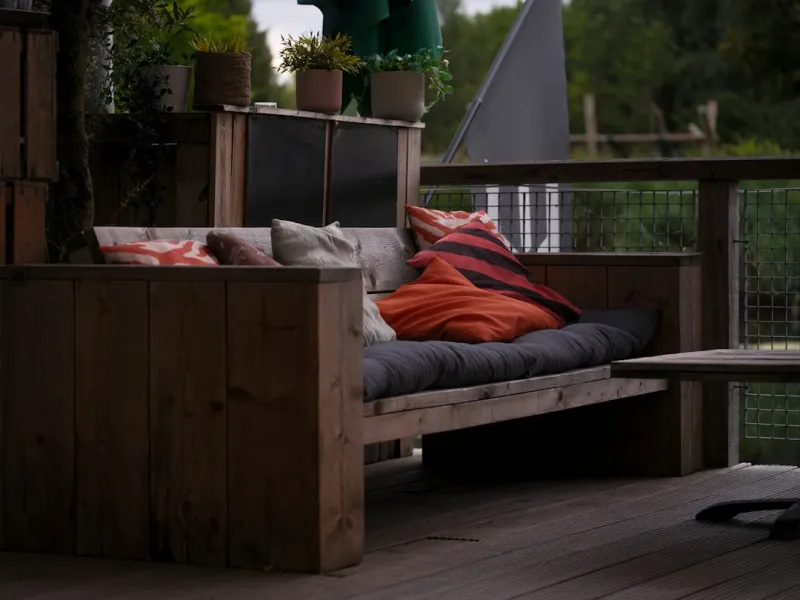
Enhancing Your Outdoor Space: The Ultimate Guide to Sheds and Gazebos
Sheds and gazebos can enhance your outdoor space, providing functionality, beauty, and value. Learn ... Read More
Top Posts
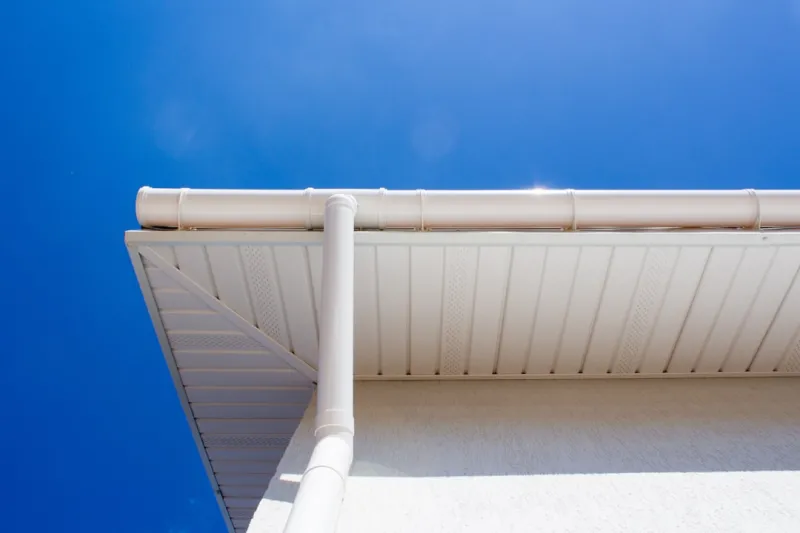
The Importance of Sustainable Gutter Systems in Home Design
Sustainable gutter systems play a crucial role in eco-friendly home design. Learn about the benefits, materials, and best practices for installation....Read More
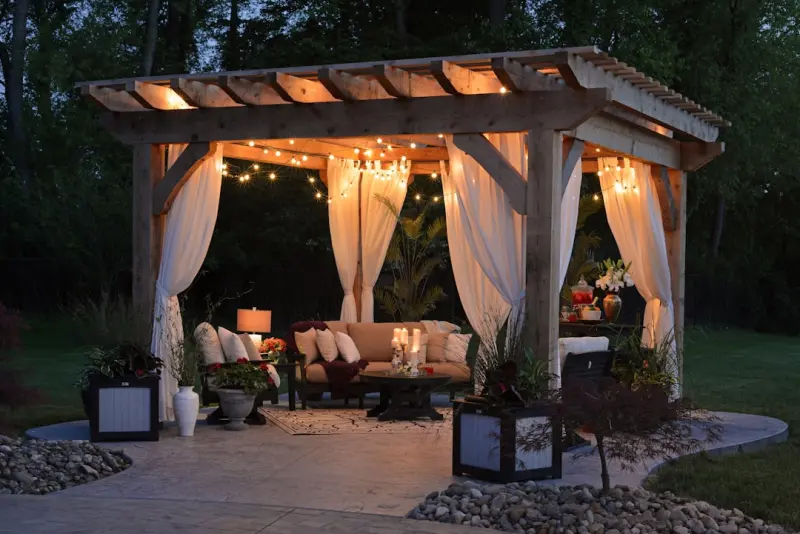
Reimagining Sheds and Gazebos as Creative Outdoor Outposts
Explore how to convert ordinary sheds and gazebos into multi‑purpose outdoor outposts for work, wellness, and community, with step‑by‑step guidance on lay...Read More

Drone‑Enabled Home Inspections: The Future is Now
A deep dive into how drones, AI, and thermal imaging are reshaping home inspections, offering faster, safer, and more data‑driven assessments that benefit bot...Read More
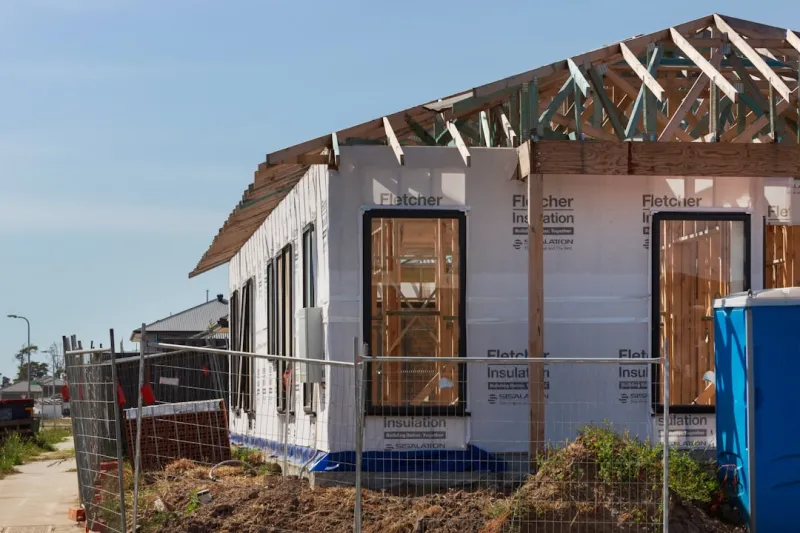
The Evolution of Sustainable Home Construction: A Comprehensive Guide
The construction industry has undergone a significant transformation in recent years, driven by growing concerns about environmental sustainability, energy effi...Read More
0 Comments
Post Comment
You will need to Login or Register to comment on this post!