
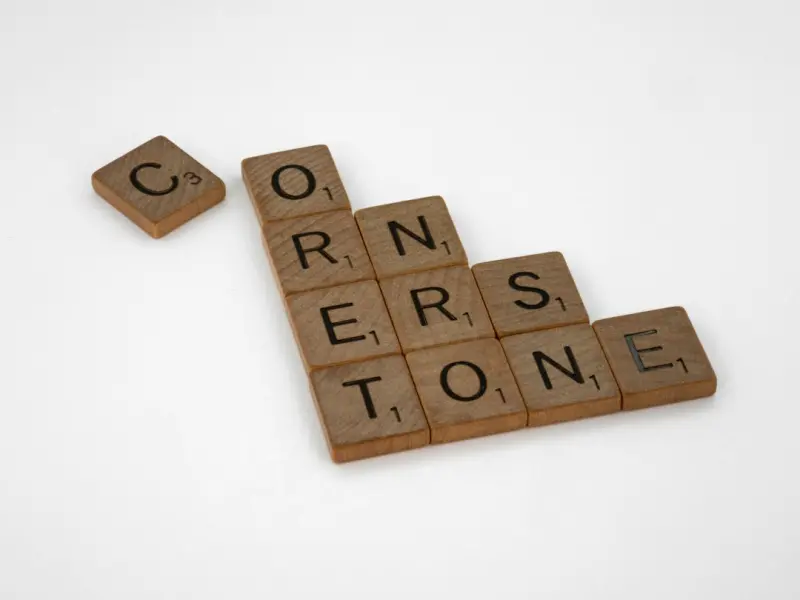
Why Foundations Deserve a Fresh Conversation
When we talk construction, the spotlight often lands on façades, interiors, and the dazzling tech that powers them. The foundation—quiet, unseen, and stubbornly literal—rarely gets the same narrative flair. Yet it is the literal ground‑zero of every building’s lifespan. In this piece, I’m stepping out from the usual design chatter to explore how emerging approaches are reshaping foundations from static slabs into dynamic, adaptable platforms.
From Soil to Structure: The Subtle Science of Interaction
Every foundation begins its life in the soil, a living matrix of minerals, organic matter, moisture, and temperature gradients. While engineers have long accounted for bearing capacity and settlement, a deeper look at soil microclimate reveals hidden variables that can accelerate or mitigate wear.
- Moisture migration: Seasonal shifts drive water through capillary action, expanding clay particles and exerting upward pressure on footings.
- Thermal cycles: Freeze‑thaw patterns cause minute heave, especially in regions with shallow frost lines.
- Biological activity: Root intrusion and microbial processes can subtly alter density over decades.
Understanding these nuances allows designers to select footing depths, drainage systems, and backfill mixes that harmonize—not battle—the surrounding earth.
Predictive Modeling: Seeing the Future Before You Dig
Traditionally, foundation design relied on static calculations and historical case studies. Today, predictive analytics leverages decades of sensor data, climate projections, and geotechnical surveys to forecast performance under a spectrum of scenarios.
Machine‑learning models ingest variables such as projected precipitation, soil shrink‑swell indices, and even nearby traffic vibration patterns. The output? A risk heat map that flags zones where differential settlement is likely within the first twenty years. This foresight empowers engineers to reinforce those zones pre‑emptively, saving costly retrofits later.
For teams already grappling with foundation repair strategies, integrating predictive analytics offers a proactive pivot—from fixing after the fact to preventing in the first place.
Modular Foundations: Speed, Flexibility, and Sustainability
Modular construction has revolutionized walls and interiors; the same logic now applies to foundations. Prefabricated footing modules—engineered concrete blocks with built‑in reinforcement and connection plates—can be manufactured off‑site, shipped, and assembled in a fraction of the time required for poured slabs.
Key advantages include:
- Reduced on‑site waste: Precise casting limits excess material.
- Accelerated schedules: Installation can proceed while superstructure framing is already underway.
- Design adaptability: Modules can be reconfigured for future expansions, a boon for growing campuses or adaptable office complexes.
When paired with a robust analytical model, modular foundations become a living system that can evolve as the building’s program changes.
Embedding Sensors: From Passive Slabs to Living Platforms
Imagine a foundation that whispers its health status to the facility manager in real time. Tiny, low‑power sensors—strain gauges, moisture probes, and temperature nodes—can be embedded during construction. They relay data to a cloud dashboard where anomalies trigger alerts before they become visible cracks.
Beyond early‑warning, these sensors enable performance‑based maintenance contracts. Instead of paying a flat fee for routine inspections, owners can negotiate fees tied to actual usage metrics, aligning cost with value.
Material Innovation: Beyond the Traditional Concrete Box
Concrete remains the workhorse, but its monolithic nature can be a liability when the environment demands flexibility. Researchers are experimenting with engineered composites that blend cement with bio‑based fibers, recycled aggregates, and phase‑change materials (PCMs) that absorb and release thermal energy.
These next‑gen concrete solutions not only reduce carbon footprints but also act as micro‑climate buffers, dampening temperature swings that would otherwise stress the footing.
When paired with modular designs, such composites can be cast in interchangeable panels, allowing sections to be swapped out or upgraded without demolishing the entire slab.
Case Study: A Data Center’s Adaptive Foundation
A midsize data center in the Pacific Northwest faced two challenges: high seismic risk and aggressive seasonal moisture fluctuations. The design team adopted a hybrid approach:
- They installed a grid of piezoelectric sensors within a modular footing system to capture minute shifts during minor tremors.
- Predictive models flagged a particular east‑west trench prone to water accumulation. The team introduced a permeable concrete mix with recycled glass aggregate, reducing hydrostatic pressure.
- During the first year of operation, sensor data revealed a 30% reduction in settlement compared with neighboring legacy builds, and maintenance crews avoided an unplanned concrete repair that would have cost upwards of $150,000.
This real‑world example illustrates how blending analytics, modularity, and smart materials can turn a traditionally passive foundation into an active, resilient asset.
Practical Steps for the Forward‑Thinking Builder
Ready to bring this mindset to your next project? Consider the following checklist:
- Conduct a micro‑climate audit: Partner with a geotechnical lab to map moisture gradients and thermal cycles across the site.
- Deploy a pilot predictive model: Use open‑source platforms to input local weather data, soil tests, and load assumptions.
- Specify modular footing units: Work with manufacturers who offer interchangeable reinforcement plates and integrated sensor ports.
- Integrate sensor networks early: Embed strain and moisture sensors during the pour, not as an afterthought.
- Select composite concrete mixes: Evaluate options that incorporate recycled content and PCMs for climate buffering.
- Plan for data stewardship: Establish protocols for data storage, analysis, and actionable alerts.
By treating the foundation as a dynamic system rather than a static slab, you set the stage for buildings that not only stand the test of time but also adapt to it.
Looking Ahead: Foundations as Platforms for Innovation
The construction landscape is evolving faster than ever. As architects, engineers, and owners lean into sustainability, speed, and resilience, the foundation must step out of its shadow. Whether it’s through predictive analytics, modular assembly, embedded sensing, or next‑generation concrete, the options are expanding—offering a chance to reimagine the very ground on which we build.
Embracing this shift doesn’t just protect a structure; it empowers a whole ecosystem of stakeholders to make smarter, data‑informed decisions that extend the life of the built environment while reducing waste and cost. The foundation, once the unsung hero of construction, is finally ready for its moment in the spotlight.

When it comes to the world of blogging and writing, Rose DesRochers is a name that stands out. Her passion for creating quality content and connecting with her audience has made her a trusted voice in the industry. Aside from her skills as a writer and blogger, Rose is also known for her compassionate nature.
Related Posts
Building a Rock‑Solid, Sustainable Foundation: Lessons from the Trenches
A veteran contractor shares his hands‑on guide to creating durable, sustainable foundations—cove... Read More
Crafting the Perfect Foundation: My Journey as a Construction Expert
A strong foundation is the backbone of any successful build. Learn from a seasoned construction expe... Read More

Foundations Reimagined: Data, Sustainability, and Resilience Underfoot
Discover why foundations are becoming the new smart platform in construction, from real‑time monit... Read More
Top Posts

DIY Home Repair Toolkit: Simple Strategies for Everyday Fixes
Discover a practical DIY repair toolkit, step‑by‑step fixes for leaky faucets, squeaky doors, and wall cracks, plus seasonal maintenance tips to keep your h...Read More

The Unexpected Power of Mixed‑Material Flooring: Style, Sound, and Sustainability
Explore the art of mixed‑material flooring—combining reclaimed wood, stone, and smart underlays—to boost acoustic comfort, sustainability, and timeless st...Read More

Designing Intentional Micro‑Zones: A Practical Guide to Boosting Home Wellbeing
Discover a step‑by‑step guide to turning everyday rooms into purposeful micro‑zones that improve focus, relaxation, and sustainability—all without major...Read More

Spotting Hidden Home Issues Before They Cost a Fortune
Discover practical ways to spot hidden problems in your home early, avoid expensive fixes, and maintain a safe, efficient living space....Read More
0 Comments
Post Comment
You will need to Login or Register to comment on this post!