
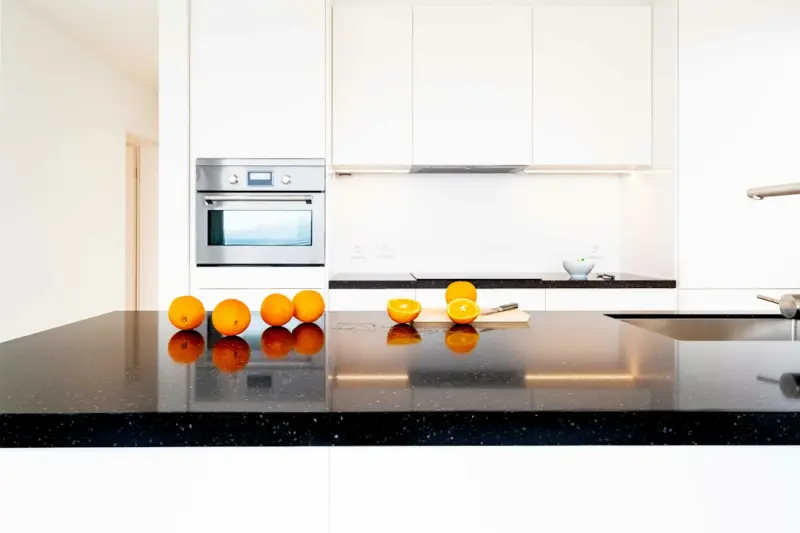
When most people walk into a kitchen, their eyes land on the appliances, the layout, maybe even the lighting. Few realize that the countertop is the silent workhorse, the place where culinary dreams either flourish or flounder. Over the past decade, countertops have graduated from merely “a surface” to a strategic platform that influences health, acoustics, sustainability, and even the future adaptability of a home. In this deep dive, I’ll unpack the hidden dimensions of modern countertops and show you how to choose a surface that does more than just survive daily wear—it elevates the entire living experience.
Why Countertops Matter More Than Ever
Countertops are the crossroads of function and aesthetics. They endure hot pans, wet messes, and the occasional over‑zealous blender, all while bearing the visual weight of the kitchen’s design language. Yet, the real impact goes beyond the obvious. A well‑chosen countertop can:
- Reduce the spread of bacteria through antimicrobial properties.
- Absorb and dampen sound, making open‑plan kitchens less echo‑chamber‑like.
- Serve as a repository for sustainable practices, such as reclaimed stone or bio‑based composites.
- Future‑proof a space by allowing easy integration of new technologies without a full remodel.
Understanding these layers helps you move past the “granite vs. quartz” debate and into a realm where the countertop becomes an active participant in your home’s health and longevity.
The Health Lens: Antimicrobial and Non‑Toxic Surfaces
In an era where indoor air quality and surface hygiene dominate our decision‑making, the countertop’s material composition matters. Traditional materials like laminate often contain formaldehyde‑based adhesives, while some natural stones may harbor pores that trap bacteria.
Enter next‑generation surfaces:
- Engineered quartz with embedded silver ions – The silver acts as a natural antimicrobial agent, continuously inhibiting bacterial growth without the need for harsh cleaners.
- Solid surface blends infused with copper nanoparticles – Copper’s well‑documented biocidal properties are now being harnessed at a microscopic level, offering a self‑sanitizing surface that still feels smooth to the touch.
- Bio‑based composites made from agricultural waste (like wheat straw) combined with polymer resins, providing a non‑toxic, low‑VOC alternative that also diverts waste from landfills.
When selecting a countertop, ask the supplier for a material safety data sheet (MSDS) and verify that the product meets low‑VOC standards. A countertop that actively reduces microbial load can be a game‑changer for households with kids, pets, or anyone with compromised immunity.
Acoustic Engineering: Quiet Kitchens for Open‑Plan Living
Open‑plan homes are all the rage, but they bring a hidden challenge: sound. The clatter of pots, the whir of mixers, and even the gentle scrape of a spatula can bounce off hard surfaces, creating a kitchen that feels louder than a coffee shop.
Countertop manufacturers are now treating sound as a design parameter. By integrating porous aggregates and acoustic‑dampening layers beneath the visible surface, they can reduce impact noise by up to 30%. Materials like porous quartz or engineered stone with a resin‑based underlayer absorb vibrations, turning a bustling kitchen into a calmer, more conversation‑friendly space.
For homeowners who love to entertain, this acoustic benefit is often overlooked but dramatically improves the overall feel of the home. Pair a quieter countertop with soft‑close cabinet hinges, and you’ll notice the difference the moment you open a drawer.
Sustainable Choices: Reclaimed and Bio‑Based Materials
Environmental stewardship is no longer a niche concern; it’s a baseline expectation. Countertops provide a surprisingly fertile ground for sustainability initiatives. Here are three pathways you can explore:
- Reclaimed stone – Sourced from demolished historic buildings, reclaimed granite or marble brings a story and reduces quarry waste. Each slab is unique, often bearing centuries‑old patina that modern stone simply can’t replicate.
- Recycled glass composites – By fusing post‑consumer glass shards with a polymer binder, manufacturers create vibrant, durable surfaces that keep glass out of landfills and add a striking visual texture.
- Bio‑based composites – As mentioned earlier, these combine plant fibers with eco‑friendly resins. Companies are now using mycelium (fungus roots) as a natural binding agent, delivering a fully biodegradable countertop option.
When you choose a sustainable countertop, you’re not just reducing your carbon footprint—you’re also positioning your home for future resale value, as buyers increasingly prioritize eco‑friendly features.
Tech Integration Without the Gimmick
Smart homes are everywhere, but the countertop remains one of the least digitized surfaces. That’s about to change, and not in a way that turns your kitchen into a sci‑fi set. The future of countertop tech focuses on subtle, useful enhancements:
- Inductive charging zones embedded beneath the surface, allowing you to place your phone or electric knife directly on the counter to recharge.
- Embedded temperature sensors that change color when a pot exceeds a safe temperature, preventing burns and over‑cooking.
- Wireless speaker strips woven into the countertop’s underside, delivering crisp audio without unsightly speakers cluttering the backsplash.
These integrations should feel invisible until you need them—think of them as “quiet helpers” that enhance convenience without turning your kitchen into a gadget showcase. When evaluating options, prioritize systems that can be upgraded or replaced without tearing out the entire countertop.
Future‑Proofing Your Countertop Investment
Renovations are expensive, and the ideal countertop should stand the test of time—both aesthetically and functionally. One strategy is to select a surface that can accommodate future‑proofing concepts, such as modular edge panels that allow you to replace sections without a full replacement. This is especially valuable for homes where layouts may evolve—think expanding a kitchen island or adding a breakfast bar.
Another angle is to consider the renovation checklist mindset: choose a countertop that aligns with your long‑term design goals, maintenance preferences, and resale strategy. Materials like quartz and high‑performance engineered stone often retain their appearance longer than natural stone, reducing the need for periodic resealing or polishing.
Choosing the Right Partner
All the material science in the world won’t matter if the installation is subpar. A countertop’s performance hinges on precise fabrication, proper seam handling, and correct anchoring. Here’s what to look for in a contractor:
- Certification – Look for installers certified by the material manufacturer. This ensures they understand the nuances of each product.
- Portfolio of similar projects – Review past work that mirrors your design intent, especially projects involving reclaimed or bio‑based materials.
- Warranty clarity – A good contractor will stand behind their workmanship with a clear warranty, separate from the material warranty.
Take the time to interview multiple candidates, ask about their approach to edge finishing, and request a mock‑up if possible. The right partnership will guarantee that the countertop not only looks great on day one but continues to perform for decades.
Bringing It All Together: A Decision Framework
To synthesize everything, here’s a simple framework you can apply when evaluating countertop options:
- Health Impact – Does the material actively reduce bacterial growth and emit low VOCs?
- Acoustic Performance – Does the countertop dampen noise in open‑plan settings?
- Sustainability – Are you using reclaimed, recycled, or bio‑based materials?
- Tech Compatibility – Can the surface accommodate subtle, upgradeable tech features?
- Future‑Proofing – Does the design allow for modular updates or easy repairs?
- Installation Quality – Have you vetted the installer’s expertise and warranty terms?
By scoring each candidate against these criteria, you’ll arrive at a countertop choice that’s truly aligned with modern living priorities, rather than a default based on trend or price alone.
Final Thoughts
The countertop is no longer a passive backdrop; it’s a dynamic, health‑centric, and adaptable element that can define how you experience your kitchen for years to come. Whether you gravitate toward the timeless elegance of reclaimed stone, the low‑maintenance brilliance of engineered quartz, or the cutting‑edge functionality of tech‑infused surfaces, the key is to view the countertop through a holistic lens. When you balance health, acoustics, sustainability, and future adaptability, you’ll create a kitchen that not only looks spectacular but also supports the well‑being of everyone who walks its surface.

Craig Brett is a freelancer with a passion for the outdoors. His love for nature inspires his work, bringing authentic and engaging perspectives to projects related to outdoor activities, adventure, and environmental topics.
Related Posts
Rethinking Countertops: Smart, Sustainable Surfaces for Modern Spaces
Countertops are evolving from static finishes to intelligent, sustainable surfaces. This post uncove... Read More
Choosing Countertops That Age Gracefully: A Contractor’s Insider Guide
A contractor’s insider guide to choosing countertops that balance durability, sustainability, and ... Read More
The Hidden Psychology Behind Your Kitchen Countertop Choices
Explore how the tactile feel, hue, and sustainability of countertops shape daily cooking experiences... Read More
Top Posts

The Sunroom Advantage: Turning Light‑Filled Space into a High‑Performance Home Office
A sunroom isn’t just a decorative add‑on—it’s a strategic home‑office upgrade. Learn how natural light, passive solar heating, biophilic design, and s...Read More
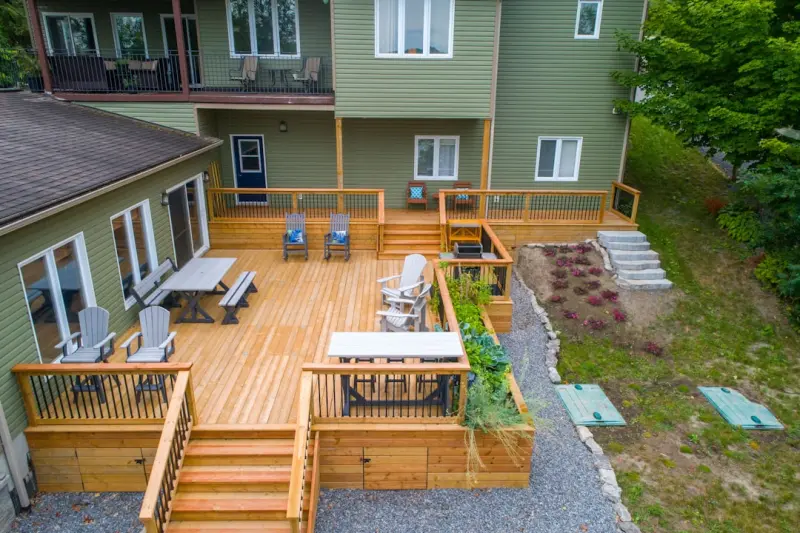
Smart Deck Design: Harnessing Technology, Sustainability, and Flexibility for Modern Outdoor Living
Explore a fresh approach to deck building that blends smart lighting, weather‑responsive features, reclaimed materials, and modular design for a future‑proo...Read More

Maximizing Space and Functionality: A Comprehensive Guide to Commercial Renovations
Commercial renovations can transform your workspace, drive business growth, and stay competitive. Learn how to plan, design, and execute a successful commercial...Read More

Awning Innovation: Turning Shade into Strategy for Modern Businesses
A modern awning does more than block the sun; it becomes a branding tool, energy saver, and data source. Discover the latest smart and sustainable awning techno...Read More
0 Comments
Post Comment
You will need to Login or Register to comment on this post!