
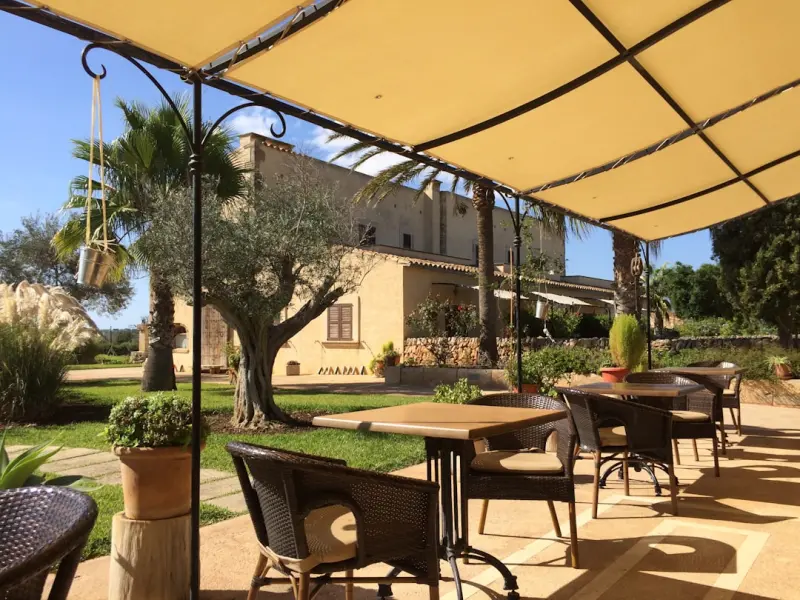
Why Awnings Matter More Than You Think
When I first pulled a canvas awning over the back porch of my childhood home, I didn’t realize I was stepping into a design philosophy that balances shelter, style, and subtle energy savings. An awning isn’t simply a roof‑off‑the‑ground; it’s a deliberate architectural buffer that mediates the harshness of direct sun while inviting a softer, diffused light that makes outdoor furniture feel like an extension of indoor comfort. In my experience, homeowners who treat awnings as afterthoughts miss out on a tool that can slash cooling bills, protect finishes, and create an outdoor “room” without four walls. The best projects I’ve seen start with the question, “How can this shade become a statement rather than a necessity?”
The Psychology of Shade: Mood and Productivity
Shade does more than keep your skin from turning tomato‑red; it rewires how we experience a space, and I’ve watched it transform a lazy patio into a buzzing home office. Studies show that a measured reduction in glare improves focus, and the gentle hum of a well‑tuned awning’s fabric can become a background rhythm that soothes the mind. When I installed a retractable fabric awning over my garden desk, the afternoon slump vanished, replaced by a steady flow of ideas that seemed to glide with the breeze. By pairing the right color palette with strategic placement, you can harness the subconscious boost that shade provides, turning a simple pergola into a productivity hub.
Designing Awnings as Architectural Statements
Every home has a visual language, and an awning is a punctuation mark that can either echo or challenge that narrative. I love the drama of a deep‑blue, tension‑fabric awning jutting out from a modernist façade, its clean lines echoing the building’s geometry while adding a splash of color that draws the eye. Conversely, a weathered canvas awning on a farmhouse can whisper nostalgia, its faded hues harmonizing with reclaimed wood and tin roofs. The key is to treat the awning as an integral design element, not a bolt‑on; consider proportion, material, and the rhythm of surrounding windows and doors. When the awning’s silhouette aligns with the roofline, it becomes a seamless extension that enhances curb appeal without shouting for attention.
Materials Matter: From Vintage Canvas to Recycled Aluminum
Choosing the right material is where science meets storytelling, and I’ve spent countless weekends testing fabrics and frames to find the sweet spot between durability and character. Vintage canvas offers a tactile nostalgia that ages beautifully, developing a patina that tells a story of seasons passed, yet it demands diligent maintenance to resist mildew. On the other hand, recycled aluminum frames provide feather‑light strength, resist rust, and can be powder‑coated in any hue, making them perfect for contemporary homes seeking a low‑maintenance solution. I recently swapped a rust‑prone steel armature for a reclaimed aluminum one, and the reduction in weight made retraction effortless, turning a chore into a pleasure. Selecting a material that aligns with your climate, aesthetic, and upkeep preferences is the cornerstone of a lasting awning.
Layering Light: Integrating Lighting and Greenery
One of my favorite tricks is to treat an awning as a stage, layering ambient lighting and vertical gardens to create a living set that changes from dusk to dawn. Soft LED strips hidden behind the awning’s underside cast a warm glow that mimics sunrise, while strategically placed spotlights accentuate the fabric’s texture and the foliage that climbs the support posts. I once draped a light‑woven trellis of hardy ivy over a retractable awning, allowing the vines to filter light during the day and provide a natural curtain at night. This approach not only adds visual interest but also improves micro‑climate control, as the plants absorb heat and release moisture, making the shaded area feel cooler. The result is a multi‑sensory oasis that feels both cultivated and inviting.
Urban Balcony Hacks: Small‑Space Awnings that Maximize Real Estate
Living in a city apartment often means fighting for every square foot, and a well‑chosen awning can be the secret weapon that multiplies usable space without a single brick added. I’ve installed compact, motorized awnings on narrow balconies that fold flat against the wall when not in use, then swing out to create a sheltered nook for a bistro table and potted herbs. By selecting a fabric with a high UV‑blocking rating, the awning protects delicate plants and prevents the concrete slab from heating, turning a hot, unusable balcony into a cool retreat even in midsummer. Pair the awning with a fold‑down sidewall that doubles as a privacy screen, and you have an adaptable enclave that can host brunch, yoga, or a quiet reading spot—all without infringing on neighbors’ sightlines.
DIY Maintenance Secrets That Extend Life by Decades
Maintaining an awning is less about costly professional visits and more about a disciplined, DIY routine that I’ve refined over years of hands‑on work. Start each season with a thorough inspection: tighten any loose bolts, check the tension on fabric, and clear debris from the track to avoid uneven retraction. A quick spray of a mild, biodegradable soap mixed with water can dissolve surface grime without degrading the coating; follow with a rinse using a low‑pressure hose to prevent water infiltration. For metal frames, a light coat of rust‑inhibiting oil after cleaning keeps corrosion at bay, especially in coastal climates. If you’re looking for inspiration on protective finishes, consider reading waterproofing as a design feature, which offers a fresh perspective on treating awning components like decorative yet functional barriers.
Future‑Proofing with Sustainable Choices
In a world that increasingly values eco‑conscious living, the awning you choose today can either contribute to waste or become a model of responsible design. I’m gravitated toward fabrics made from recycled PET bottles, which not only divert plastic from landfills but also provide superior UV resistance and colorfastness. Pair these with frames fabricated from reclaimed steel or aluminum, and you have a system that reduces embodied energy while delivering long‑term performance. Moreover, integrating solar‑powered motors can automate retraction without tapping into your home’s electricity grid, turning shade into a small‑scale renewable energy project. For those curious about broader sustainability trends, the article Tile Trends: Sustainable, Smart, and Stylish Solutions for Modern Homes offers a parallel look at how material choices echo across interior and exterior design.
Putting It All Together: A Step‑by‑Step Blueprint for Your Next Awning Project
After months of trial and error, I’ve distilled my process into a clear roadmap that any homeowner can follow, whether you’re a DIY enthusiast or planning to hire a professional. First, map the sun’s path across your space using a simple sun‑tracking app to determine the optimal awning size and orientation. Second, choose a material palette that reflects your home’s style and climate demands, remembering that durability and maintenance go hand‑in‑hand. Third, sketch a rough layout that includes lighting, greenery, and any auxiliary elements like sidewalls or retractable screens. Fourth, source reclaimed or recycled components to keep the project sustainable and budget‑friendly. Fifth, install the mounting hardware with a level and secure all fasteners; test the operation multiple times before finalizing. Finally, commit to a seasonal maintenance schedule to protect your investment. Follow these steps, and you’ll transform an ordinary patio into a curated outdoor room that serves your lifestyle for decades.

Craig Brett is a freelancer with a passion for the outdoors. His love for nature inspires his work, bringing authentic and engaging perspectives to projects related to outdoor activities, adventure, and environmental topics.
Related Posts

Breathing New Life into Your Outdoor Space: The Transformative Power of Awnings
Awnings can transform your outdoor space into a haven of comfort and style. Learn about the benefits... Read More

The Sustainable Awning Revolution: Eco-Friendly Options for Your Home
Explore the world of sustainable awnings and learn how eco-friendly practices are changing the game.... Read More

Crafting Your Own Outdoor Narrative: A Personal Journey with Awnings
Explore a fresh perspective on awnings—mixing personal style, sustainable design, and DIY confiden... Read More
Top Posts

The Art of Wallpapering: A Comprehensive Guide to Transforming Your Space
Wallpapering is a powerful tool for transforming your space. Learn how to choose the right material, design, and installation method to create a stunning and fu...Read More

Radiant Floor Heating: The Next Competitive Edge for Modern Workspaces
Radiant floor heating delivers consistent, draft‑free warmth that enhances employee focus, improves indoor air quality, and reduces energy use, giving forward...Read More
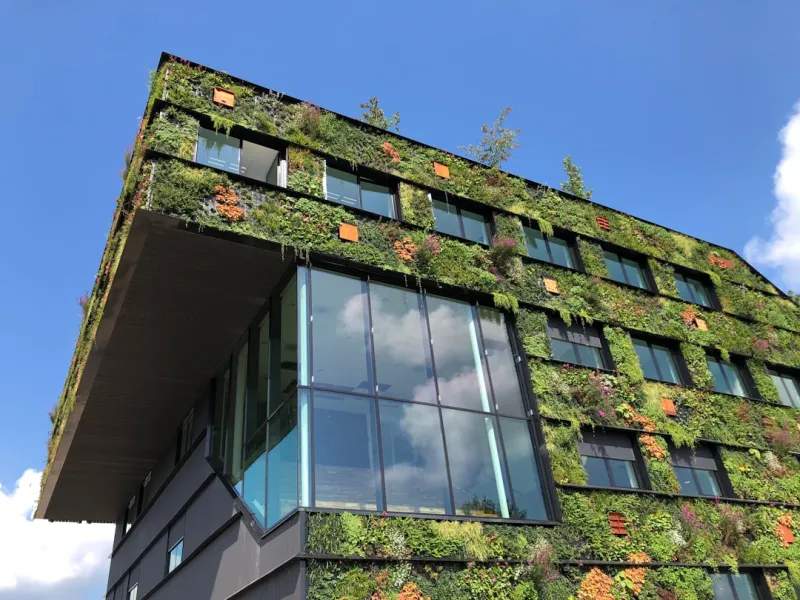
The Evolution of Sustainable Design Build: A Greener Future for Your Home
The concept of sustainable living has gained significant attention in recent years, and the design build industry has been at the forefront of this movement. Le...Read More
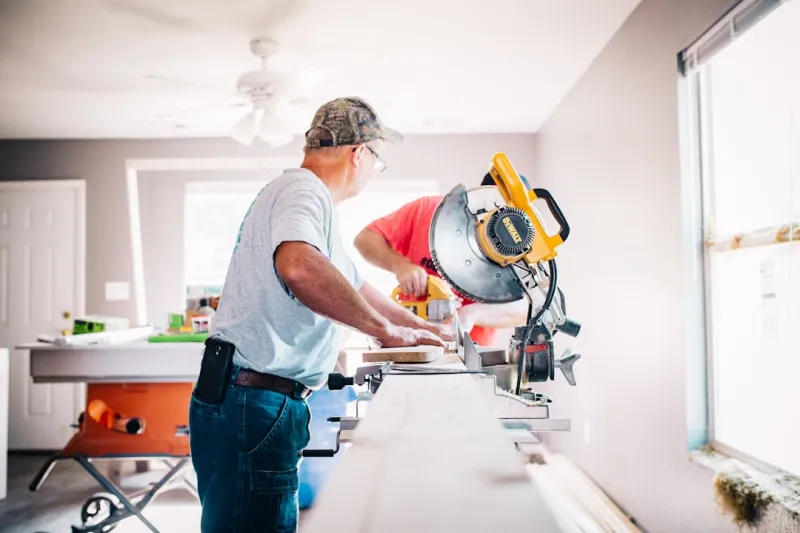
Expert Handyman Tips for a Comfortable and Efficient Home
Improve your home's comfort and efficiency with expert handyman tips. Learn how smart renovations, flooring, and heating systems can transform your living space...Read More
0 Comments
Post Comment
You will need to Login or Register to comment on this post!