

Rethinking Weatherproofing: From Reactive Fixes to Predictive Resilience
When the first frost hits the windows and the wind starts rattling the eaves, most homeowners scramble for a quick fix: sealant, a new gutter, maybe a fresh coat of paint. It works, but it’s a band‑aid solution that leaves the underlying vulnerability untouched. What if you could anticipate the next storm, measure how your home actually interacts with the elements, and tune every envelope component—walls, roof, doors, and windows—so that the house itself becomes a low‑maintenance, high‑performance shield?
The Missing Link: Data Meets the Building Envelope
Weatherproofing has traditionally been a visual inspection followed by a list of “to‑dos.” Today, that approach is outdated. The same way energy inspection turns data into dollars, you can turn micro‑climate data into a resilient home. Small, affordable sensors placed around the perimeter feed real‑time temperature, humidity, and pressure differentials to your phone. The data reveals hidden leaks, drafts, and thermal bridges that even the most seasoned contractor might miss.
Step 1 – Map Your Home’s Micro‑Climate
- Exterior Sensors: Install battery‑powered temperature and humidity probes on each side of the house—north, south, east, and west. These capture sun exposure, wind direction, and moisture load.
- Interior Sensors: Place complementary units in the attic, basement, and living zones. Pair them with existing smart thermostats to see how indoor conditions respond to outdoor changes.
- Data Hub: Use a simple Wi‑Fi gateway (often built into modern routers) to aggregate readings into a cloud dashboard. Set alerts for when indoor‑outdoor temperature differentials exceed a comfort threshold for more than 30 minutes.
By visualizing these trends, you’ll spot the exact moments when heat is escaping or moisture is infiltrating—information that drives targeted interventions rather than a blanket “seal everything” approach.
Step 2 – Prioritize Passive Barriers Before Active Systems
Passive design isn’t a buzzword; it’s the foundation of any weather‑tight envelope. Once you know where the heat loss or moisture ingress occurs, you can apply the most cost‑effective barrier.
- Insulated Sheathing: Adding rigid foam under the siding creates a continuous thermal break, especially on the north-facing wall where heat loss is highest.
- Air‑Barrier Membranes: A peel‑and‑stick vapor‑impermeable layer stops drafts without compromising the house’s ability to breathe, reducing the risk of mold.
- Sealant Strategy: Instead of applying sealant everywhere, focus on the identified weak points—window seams, roof‑to‑wall junctions, and penetrations around utilities.
These upgrades lock in warmth during cold snaps and keep the hot, humid air out during summer, reducing reliance on HVAC cycles and ultimately lowering utility bills.
Step 3 – Upgrade Openings with Intelligent Glazing
Windows and doors are the most vulnerable parts of a building envelope. While the blog has covered smart glazing and doors as a value driver, this section dives into how they become active participants in weatherproofing.
- Low‑E Coatings + Gas Fills: Modern low‑emissivity glass with argon or krypton gas dramatically reduces conductive heat loss while preserving natural light.
- Dynamic Glazing: Electrochromic panes adjust tint based on solar intensity, keeping interior temperatures stable without blinds.
- Smart Sensors: Integrated humidity and wind sensors trigger automatic storm shutters or adjust seal pressure, sealing gaps before gusts can force air inside.
When combined with a data‑driven approach, these “smart” openings can be calibrated to your specific climate profile, ensuring you never over‑ or under‑insulate a particular façade.
Step 4 – Embrace Predictive Maintenance for the Roof and Gutters
A roof is a home’s first line of defense, yet most homeowners replace it only when a leak becomes obvious. By borrowing principles from predictive maintenance, you can shift from reactive to proactive roof care.
- Thermal Imaging Drones: Periodic drone flights equipped with infrared cameras spot moisture accumulation beneath shingles before it seeps into the structure.
- Gutter Load Sensors: Simple weight sensors attached to gutters send alerts when debris builds up beyond a safe threshold, prompting timely cleaning.
- Algorithmic Wear Scores: The sensor hub calculates a wear score based on exposure, temperature cycles, and past repairs, recommending the optimal time for a roof inspection or replacement.
This approach extends roof lifespan, prevents costly water damage, and aligns maintenance budgets with actual performance data rather than guesswork.
Step 5 – Seal the Foundation with Moisture‑Managing Strategies
Basements and crawl spaces often become the hidden reservoirs of moisture. Traditional “dry out” methods—dehumidifiers and sump pumps—are reactive. A predictive strategy starts with moisture‑sensing perimeter drains that alert you to rising groundwater levels before water ever reaches the interior.
- Perimeter Drain Sensors: Place low‑power probes in exterior French drains; when water levels climb, the system can automatically activate a backup pump.
- Vapor‑Retarder Installation: A high‑performance vapor barrier on the underside of the slab, coupled with a sealed crawl‑space door, locks out ground humidity.
- Ventilation Controls: Smart vents adjust airflow based on real‑time humidity, maintaining a dry environment without over‑ventilating during cold weather.
By integrating these measures, you transform the foundation from a passive moisture sink into an actively managed zone.
Step 6 – Leverage Landscape as a Passive Shield
While most weatherproofing conversations focus on walls and roofs, the surrounding terrain can be a powerful ally. Proper grading, swales, and native plantings divert rainwater away from the foundation while providing windbreaks that reduce pressure on the home’s exterior.
- Grading Plans: Ensure the soil slopes at least 5% away from the house for the first 6‑10 feet, directing runoff toward drainage swales.
- Windbreak Trees: Plant deciduous trees on the windward side; they block summer storms but shed leaves in winter to allow sunlight.
- Rain Gardens: Low‑lying, permeable plant beds capture runoff, reducing the volume that reaches your gutters and foundation.
These natural solutions complement high‑tech measures, creating a holistic weatherproofing ecosystem.
Step 7 – Integrate Your Weatherproofing Plan with Home Automation
All the sensors, smart windows, and predictive algorithms become truly powerful only when they talk to each other. A central home automation platform can orchestrate actions based on the data you collect.
- Conditional Routines: If exterior humidity spikes and interior temperature drops, automatically lower blinds, tighten window seals, and raise the thermostat setpoint.
- Energy‑Efficiency Sync: Link weather‑proofing alerts to your smart thermostat, ensuring heating or cooling runs only when needed.
- Maintenance Scheduler: The system can auto‑generate service tickets for roof inspections, gutter cleaning, or sealant re‑application based on wear scores.
This level of integration turns your home into a self‑optimizing system, reducing manual oversight and ensuring peak performance year after year.
Step 8 – Measure Success: The New KPI for Homeowners
Just as businesses track ROI, homeowners can adopt a Weatherproofing Efficiency Index (WEI). The index combines three metrics: energy consumption reduction, incident‑free days (no leaks or drafts), and maintenance cost savings. By logging data from your sensors and utility bills, you can calculate a quarterly WEI score and watch it climb as you implement each step.
Seeing a tangible number shift from, say, 0.68 to 0.82 provides the same satisfaction as a financial dashboard—proof that your investments are paying off.
Final Thoughts: From Patchwork to Predictive Harmony
Weatherproofing is no longer a seasonal chore; it’s an ongoing, data‑driven partnership between you, your home, and the environment. By mapping micro‑climates, prioritizing passive barriers, upgrading openings with intelligent glazing, and embracing predictive maintenance, you create a resilient envelope that works for you—not against you. The payoff is simple: lower utility bills, fewer emergency repairs, and a home that feels consistently comfortable, no matter what the weather throws its way.

Craig Brett is a freelancer with a passion for the outdoors. His love for nature inspires his work, bringing authentic and engaging perspectives to projects related to outdoor activities, adventure, and environmental topics.
Related Posts

Micro‑Climate Mastery: Transform Your Home into a Natural Weather‑Proof Fortress
Learn to harness nature and technology to weather‑proof your home, from strategic plantings to sma... Read More

Weatherproofing Your Home Without Sacrificing Style: A Practical Guide
Discover a comprehensive, design‑forward approach to weatherproofing that blends smart materials, ... Read More

Weather‑Smart Home Envelopes: A Proactive Playbook for Climate Resilience
A comprehensive guide to turning your home's envelope into a dynamic, sensor‑driven system that ad... Read More
Top Posts
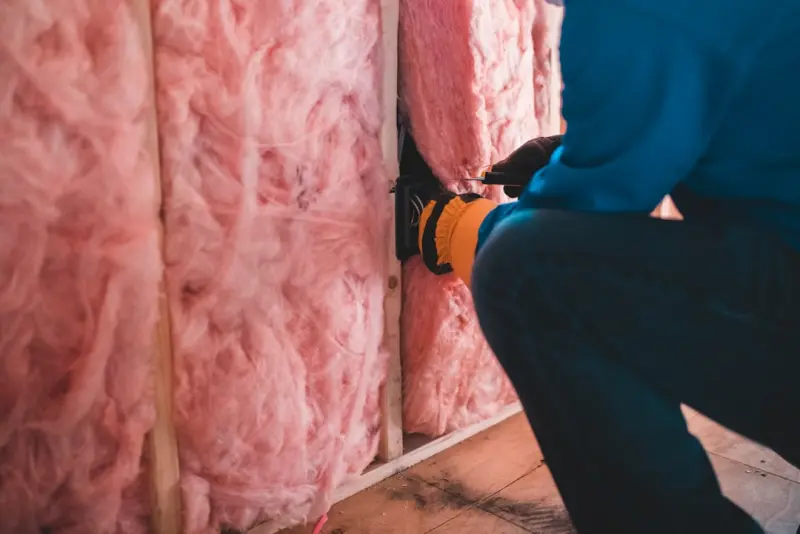
Weatherproof Your Home Like a Pro: Practical Hacks for Every Season
Learn a layered, data‑driven approach to home weatherproofing, from grading and drainage to smart sensors and seasonal maintenance, ensuring comfort and lower...Read More

Reimagining Home Alarms as Learning, Community‑Aware Guardians
A deep dive into turning traditional home alarms into AI‑driven, privacy‑first, community‑linked guardians that learn, adapt, and protect without sacrific...Read More

Reimagining Building Foundations for a Sustainable Future
Foundations are the hidden heroes of any building; this post reveals how low‑carbon mixes, micro‑scale weatherproofing, and intelligent sensor networks can ...Read More

Modular Woodworking: Designing Flexible Furniture That Grows With You
Learn the secrets of modular woodworking: from smart joinery and reclaimed lumber to hidden tech integration, create flexible furniture that evolves with your l...Read More
0 Comments
Post Comment
You will need to Login or Register to comment on this post!