

Why Traditional Energy Inspections Fall Short
For most facility managers, an energy inspection still feels like a once‑a‑year obligation: a checklist of light bulbs, a quick glance at HVAC set‑points, and a few handwritten notes on insulation quality. That approach works for compliance, but it rarely uncovers the hidden inefficiencies that silently drain budgets and inflate carbon footprints. In my ten‑year journey across commercial real‑estate, I’ve watched buildings “pass” inspections while their utility meters screamed otherwise. The disconnect isn’t the lack of diligence—it’s the lack of data‑driven insight.
Enter Predictive, AI‑Powered Energy Audits
The next wave of energy inspection is predictive, not merely retrospective. By embedding low‑power IoT sensors throughout a building’s envelope, distribution panels, and mechanical rooms, we create a living data stream that feeds directly into machine‑learning models. These models learn the normal “energy fingerprint” of each system and instantly flag anomalies—whether it’s a motor humming at 12% over its baseline or a zone of the building that suddenly shows a 30% rise in heating demand.
What makes this shift truly transformational is the ability to move from reactive fixes to proactive optimization. Instead of waiting for a quarterly audit to discover a leaky valve, the system alerts you the moment the valve’s performance deviates, often before any measurable waste occurs.
Building a Digital Twin for Energy
At the heart of a predictive inspection regime lies the digital twin—a virtual replica of your facility that mirrors real‑time conditions. Sensors report temperature gradients, voltage fluctuations, humidity levels, and even vibration signatures. All this data is mapped onto the digital twin, allowing engineers to run simulations, test retrofit scenarios, and visualize energy flow with unprecedented clarity.
Imagine running a “what‑if” analysis that shows how swapping a conventional VFD (Variable Frequency Drive) for an AI‑optimized controller could shave 8% off annual electricity use—without ever pulling a single wrench. The insights you get from a digital twin are the kind of strategic intel that once belonged to the R&D labs of Fortune‑500 manufacturers.
Integrating Energy Inspection with ESG Reporting
Environmental, Social, and Governance (ESG) metrics are no longer optional for investors; they’re a baseline requirement for capital access. Predictive energy inspections dovetail perfectly with ESG reporting because they provide quantifiable, time‑stamped evidence of emissions reductions and energy savings.
- Scope 1 & 2 emissions: Directly measured through real‑time utility data.
- Scope 3 insights: By linking building performance to tenant behavior, you can estimate indirect emissions across the value chain.
- Transparency: Auditable data trails satisfy both regulators and sustainability rating agencies.
In practice, this means your quarterly ESG report can include a chart that shows a 15% reduction in carbon intensity—backed by the same AI model that flagged a chiller’s inefficiency three months earlier.
Case Study: A Mid‑Size Office Campus Cuts Costs by 22%
One of my recent projects involved a 250,000‑square‑foot office campus that had been using a traditional annual inspection regime. After deploying a network of wireless energy sensors and integrating them with a cloud‑based AI platform, we uncovered three major issues:
- A set of older VAV (Variable Air Volume) boxes that were stuck in a high‑flow mode during off‑peak hours.
- Inconsistent voltage levels across three sub‑panels, causing motor overloads.
- An unnoticed duct leakage that was delivering conditioned air into an unoccupied storage wing.
Each issue was corrected within weeks, and the campus saw a cumulative 22% reduction in its electricity bill—equivalent to saving the cost of a new coffee machine for every floor. More importantly, the building’s carbon emissions fell by 18%, giving the owner a strong talking point in stakeholder meetings.
From Data to Action: The Role of Automation
Data without action is just noise. The real power of AI‑driven inspections lies in automated remediation workflows. When the system detects an anomaly, it can automatically:
- Generate a work order in your CMMS (Computerized Maintenance Management System).
- Prioritize the issue based on projected cost impact and carbon savings.
- Notify the responsible technician via mobile app, complete with diagnostic snapshots.
This closed‑loop process reduces the average time‑to‑repair from weeks to hours, turning a potential energy leak into a quick win.
Bridging the Gap with Modular Electrical Solutions
While sensors and AI provide the eyes and brain, the modular electrical grids offer the muscles. Plug‑and‑play distribution units allow you to reconfigure power pathways on the fly, matching supply to the evolving demand patterns revealed by your digital twin. When an AI model predicts a surge in a particular zone—say, a conference area that will host a large event—you can pre‑emptively allocate additional capacity without costly over‑engineering.
Weather‑Smart Envelopes Meet Predictive Inspection
Energy loss isn’t confined to the mechanical room. The building envelope—walls, roofs, windows—plays a massive role in heating and cooling loads. By combining predictive inspection data with the principles outlined in weather‑smart home envelopes, you can create a feedback loop where the system learns how external conditions affect internal performance and suggests targeted retrofits.
For example, the AI may notice that a specific façade orientation consistently experiences higher solar gain, prompting the recommendation of low‑E glazing or dynamic shading solutions. The result is a holistic approach that marries envelope upgrades with real‑time performance verification.
Data‑Driven Mold Prevention as an Energy Insight
Moisture isn’t just a health concern—it’s an energy concern. Wet insulation loses R‑value, and HVAC systems work harder to maintain set‑points. Leveraging the methodology from data‑driven mold removal, we can embed humidity sensors into the inspection regime. When the system detects abnormal moisture spikes, it correlates them with increased heating or cooling demand, prompting immediate investigation.
This dual‑benefit approach safeguards indoor air quality while preserving energy efficiency—an often‑overlooked synergy in traditional inspection checklists.
Steps to Deploy an AI‑Powered Energy Inspection Program
Ready to move beyond the old checklist? Here’s a practical roadmap:
- Audit Your Current Infrastructure: Identify existing sensors, data sources, and CMMS integration points.
- Choose a Scalable IoT Platform: Look for solutions that support low‑power, mesh networking to cover hard‑to‑reach areas.
- Implement a Digital Twin: Start with a 3D model and map sensor data to each component.
- Train AI Models: Use historical utility data to establish baseline performance; let the model learn seasonality and occupancy patterns.
- Integrate Automation: Connect anomaly detection to work‑order creation and notification systems.
- Iterate and Expand: Continuously refine models, add new sensor types (e.g., vibration for rotating equipment), and scale across your portfolio.
Overcoming Common Barriers
Implementing a high‑tech inspection program can feel daunting. Here are the top objections and how to address them:
- Cost Concerns: Start small—pilot a single building. The ROI often materializes within six months through utility savings.
- Data Overload: Partner with a platform that offers built‑in analytics dashboards, not raw data dumps.
- Skill Gaps: Upskill your facilities team with short courses on IoT basics and AI fundamentals; many vendors provide training bundles.
- Change Management: Communicate the tangible benefits—cost savings, ESG performance, reduced downtime—to secure executive sponsorship.
The Human Element: Turning Insights into Culture
Technology is only half the equation. The other half is fostering a culture where energy stewardship is part of every employee’s mindset. Share the AI’s findings in weekly “energy huddles,” celebrate quick wins, and tie performance bonuses to measurable energy targets. When staff see that their actions directly influence the AI’s recommendations, engagement spikes, and the building’s performance improves organically.
Looking Ahead: The Future of Energy Inspection
In the next few years, we’ll see three converging trends:
- Edge Computing: Sensors will process data locally, delivering instantaneous alerts without relying on cloud latency.
- Zero‑Touch Commissioning: New equipment will self‑calibrate using AI, reducing the need for manual start‑up inspections.
- Carbon‑Neutral Audits: Inspection firms will offset their travel emissions by integrating renewable energy credits directly into their service contracts.
For forward‑thinking facility leaders, the question isn’t “if” you should adopt AI‑powered inspections, but “when” and “how fast.” The longer you wait, the more hidden energy waste you’ll continue to pay for.
Take the First Step Today
Start by mapping a single utility meter to an IoT sensor, connect it to a cloud dashboard, and watch the first anomaly pop up. That tiny moment of insight is the catalyst for a broader transformation. From there, build out the digital twin, integrate modular power solutions, and embed moisture monitoring for a truly holistic energy inspection strategy.
Energy inspection is evolving from a static, compliance‑driven exercise into a dynamic, data‑rich discipline that drives cost savings, sustainability, and operational excellence. Embrace the change, and watch your facilities become the quiet heroes of the low‑carbon economy.

Kelly Reynolds is a dynamic freelance writer hailing from the picturesque landscapes of Alberta. A master of the written word, she juggles her passion for storytelling with the exhilarating chaos of being a mother to five spirited children. With an impressive portfolio that spans various genres, Kelly captivates readers through her engaging blog posts and thought-provoking articles.
Related Posts

Energy Inspection as a Competitive Advantage: Turning Data into Dollars
Energy inspection is evolving from a compliance task into a powerful, data‑driven strategy that re... Read More

Beyond the Thermostat: Uncovering Hidden Energy Waste
Modern energy inspection goes beyond insulation, using thermal cameras, smart sensors, and AI to pin... Read More
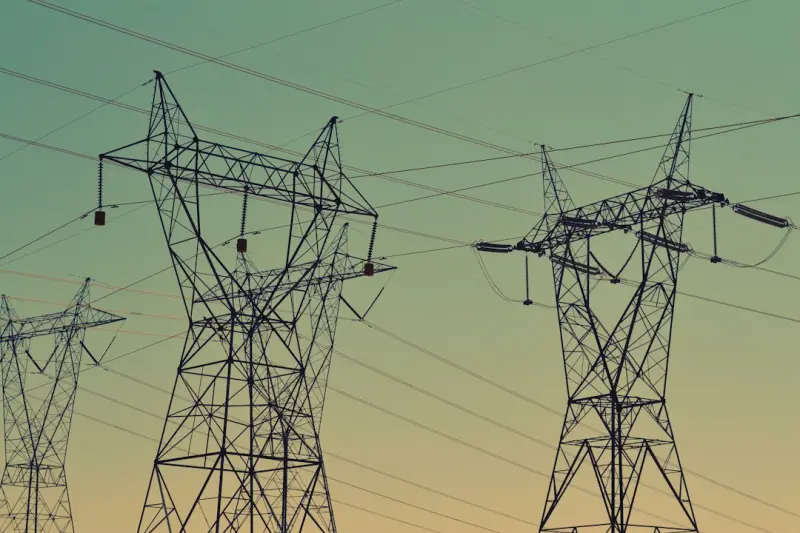
From Heat Maps to Digital Twins: The Next Evolution in Energy Inspection
A deep dive into how sensor‑rich envelopes, digital twins, AI, and drone thermography are reshapin... Read More
Top Posts

Roofing Redefined: Turning Your Building’s Crown into a Smart, Sustainable Asset
Explore the future of roofing as a strategic platform that combines smart sensors, carbon‑negative materials, and solar storage to cut costs, boost property v...Read More

Designing Climate‑Smart Landscapes: Turning Outdoor Spaces into Energy‑Saving Assets
Discover how integrating shade trees, rain gardens, smart irrigation, and biophilic design can transform a commercial landscape into a cost‑saving, wellnessâ€...Read More

Designing a Kitchen That Works: Flow, Function, and Future‑Proofing
I share the behind‑the‑scenes decisions that turned a cramped cooking space into a seamless, future‑ready kitchen—focusing on layout, lighting, and smar...Read More
The Future of Plastering: How Sustainable Practices Are Revolutionizing the Industry
The future of plastering is here. Learn how sustainable practices are revolutionizing the industry, from eco-friendly materials to natural plastering solutions....Read More
0 Comments
Post Comment
You will need to Login or Register to comment on this post!