
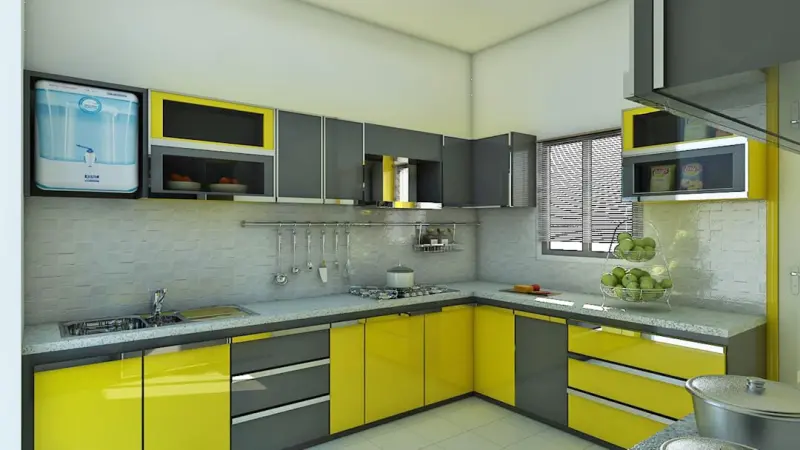
Rethinking Kitchen Layout for Seamless Flow
When I first walked into the cramped space that would become my new kitchen, I knew the classic “work triangle” needed a modern rewrite. Instead of forcing appliances into rigid corners, I let the natural traffic patterns dictate zones, carving out a culinary workflow that feels almost instinctive. By aligning prep, cooking, and cleaning areas along a gentle arc rather than sharp angles, the room breathes, and daily chores lose their choreography.
Zoned Work Triangles for the Modern Cook
The secret is to treat each zone as a mini‑stage, with its own lighting, countertop height, and tool set. I positioned the sink at a comfortable waist level, paired it with a low‑profile dishwasher, and placed the stove on a slightly higher platform to reduce back strain during long sauté sessions. A dedicated “assembly island” sits between them, acting as both a prep surface and a serving hub—its mobile cart can slide away when not needed, preserving open‑floor flexibility.
Smart Storage Systems That Hide the Chaos
Every kitchen remodel I’ve overseen ends with the same revelation: storage is the true hero, not the appliances. I swapped out traditional cabinet doors for sleek, push‑to‑open panels that keep handles invisible, creating a clean canvas that invites eye‑pleasing simplicity. Inside, pull‑out pantry drawers replace dusty shelves, allowing me to see every spice jar and canned good at a glance, turning the dreaded “search mission” into a quick grab.
Beyond the basics, I integrated a collaborative design‑build approach that let the carpenters embed hidden compartments under the island for cutting boards and waste bins, preserving countertop real estate. The result is a kitchen that feels organized even when it’s bustling, because every tool has a home and every home is out of sight.
Vertical Solutions and Flexible Racks
- Floor‑to‑ceiling pull‑out trays for pots and pans, maximizing height without sacrificing accessibility.
- Magnetic knife strips along the backsplash, freeing drawer space and adding a professional touch.
- Adjustable dividers in deep drawers, adaptable as your cookware collection evolves.
Lighting That Serves Both Mood and Function
Lighting in a kitchen is more than ambient glow; it’s a performance‑enhancing tool. I layered three lighting tiers: recessed LEDs for overall illumination, pendant lights over the island for focused task lighting, and under‑cabinet strips that eliminate shadows on prep surfaces. The under‑cabinet LEDs are dimmable, allowing a soft wash when I’m sipping coffee and a bright beam when I’m chopping vegetables.
To future‑proof the space, I chose fixtures with interchangeable bulbs and smart controls, so I can program scenes for dinner parties, early‑morning cooking, or late‑night snack runs. The subtle shift from warm to cool temperature not only sets the mood but also helps the eyes differentiate colors—crucial for achieving the perfect sear or checking doneness at a glance.
Sustainable Materials That Speak Style
Choosing materials for a kitchen today means balancing durability, aesthetics, and environmental impact. I turned to reclaimed wood for the island countertop, pairing it with a high‑performance, low‑VOC resin that resists stains and heat. The result is a surface that ages beautifully, gaining character without compromising hygiene.
For the floor, I opted for a hybrid solution inspired by the mixed‑material flooring concept, combining bamboo planks with a cork underlay. This pairing delivers a soft footfall, excellent acoustic dampening, and renewable sourcing—a trio of benefits that keep the kitchen comfortable and eco‑friendly.
Appliance Integration That Saves Space and Energy
Modern appliances have become slimmer, smarter, and more adaptable. I selected a built‑in induction cooktop that slides flush into the countertop when not in use, freeing the island surface for baking or gathering. The refrigerator is a column model that doubles as a pantry, with customizable shelving that can be reconfigured as your grocery habits shift.
Energy efficiency was a priority, so I chose appliances with Energy Star ratings and incorporated a heat‑recovery vent that channels excess warmth back into the home’s HVAC system. This not only reduces utility bills but also creates a more consistent indoor climate, especially during the colder months when the kitchen often serves as a gathering hub.
Technology That Enhances, Not Distracts
While smart tech can feel gimmicky, I focused on tools that genuinely streamline cooking. A voice‑activated faucet lets me start the water flow without touching a handle, keeping my hands clean when handling raw ingredients. Integrated touch panels on the backsplash control lighting, music, and even the oven preheat, all without cluttering the countertop with extra devices.
For safety, I installed a leak detection sensor beneath the sink that alerts my phone if moisture levels rise unexpectedly. The system can automatically shut off the water supply, preventing costly water damage—an investment that pays off both financially and peace‑of‑mind wise.
Personal Touches That Make the Space Yours
Even the most efficient kitchen can feel sterile without personal flair. I added a custom backsplash of hand‑painted tiles that echo the colors of my garden, creating a visual link between indoor and outdoor living. Open shelving displays a curated collection of heirloom cookware, turning functional items into conversation pieces.
Finally, a small herb garden sits on a sunny window ledge, providing fresh flavor at arm’s reach while infusing the kitchen with a pleasant, natural aroma. These details, though subtle, transform a purely utilitarian room into a space that reflects the homeowner’s personality and culinary passions.
Future‑Proofing: Designing for Adaptability
A kitchen should evolve with you, not become obsolete after a few years. To that end, I incorporated modular components—like removable countertop sections and interchangeable cabinet inserts—that can be swapped out as needs change. This flexibility means you can upgrade your appliances, add new tech, or reconfigure storage without a full gut renovation.
By planning for adaptability, you protect your investment and keep the space feeling fresh. The goal is a kitchen that continues to inspire, whether you’re a novice home cook or an aspiring chef, and that remains a functional centerpiece of the home for years to come.

Tom Ferguson is a Canadian freelance writer with a passion for storytelling, current events, and thoughtful commentary. Drawing on years of writing experience, he shares engaging insights on a wide range of topics, bringing a uniquely Canadian perspective to his work.
Related Posts

From Blueprint to Bounty: Crafting a Sustainable Kitchen Renovation That Feels Like Home
Explore a step‑by‑step, sustainable kitchen renovation guide that blends modern design, smart te... Read More
A Sustainable Kitchen Renovation That Feels Like Home
A personal, step‑by‑step guide to a sustainable kitchen remodel, blending reclaimed materials, s... Read More
Transform Your Kitchen: Sustainable Renovation Secrets from a Pro
David MacKinnon shares insider tips on planning, materials, appliances, and waste management for a s... Read More
Top Posts

Design‑Build Mastery: Blending Vision, Efficiency, and Green Thinking
A design‑build approach merges creativity, client collaboration, and green strategies to create homes that are beautiful, efficient, and built to last. Learn ...Read More

Why Proactive Carpet Care Is the Secret Weapon for High‑Performance Workspaces
A proactive, data‑infused carpet cleaning program can cut sick days, extend carpet lifespan, lower energy costs, and elevate brand perception—turning an ord...Read More

The Home Inspector’s Playbook: Turning Data, Ethics, and Communication into Real‑Estate Wins
A fresh take on home inspections: leveraging data, drones, and ethical practices to empower buyers, sellers, and real‑estate negotiations....Read More

AI‑Powered Energy Inspection: Turning Heat Maps Into Continuous Savings
A deep dive into AI‑powered energy inspection shows how continuous thermal monitoring, edge computing, and predictive analytics can replace traditional audits...Read More
0 Comments
Post Comment
You will need to Login or Register to comment on this post!