
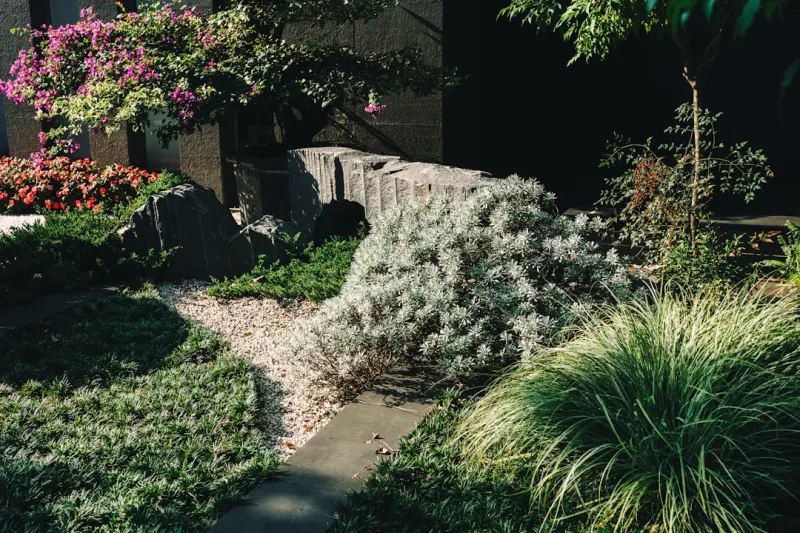
Why Climate‑Smart Landscaping Is the Next Big Investment for Businesses
When most executives think about cutting operating costs, the conversation usually lands on HVAC upgrades, LED lighting, or smarter building envelopes. What if I told you that the ground beneath your feet can be just as powerful a lever? Climate‑smart landscaping—strategically designed plantings, water‑wise infrastructure, and micro‑climate engineering—offers measurable energy savings, boosts employee well‑being, and strengthens a company’s sustainability credentials.
From Aesthetic to Asset: Reframing the Role of Outdoor Spaces
Landscapes have traditionally been treated as decorative afterthoughts. In reality, they are dynamic systems that interact with the built environment in three key ways:
- Thermal regulation: Trees and shrubs provide shade, reducing solar heat gain on façades and parking lots, which in turn lowers cooling loads.
- Stormwater management: Rain gardens, permeable pavers, and bioswales capture runoff, easing the burden on municipal sewers and minimizing costly site‑drainage upgrades.
- Biophilic benefits: Direct access to nature has been linked to higher employee productivity, lower stress, and reduced absenteeism.
When you start measuring these outcomes, the landscape moves from a “nice‑to‑have” to a revenue‑protecting asset.
Micro‑Climates: The Hidden Engine of Energy Efficiency
Every property has its own micro‑climate—a localized pattern of temperature, wind, humidity, and sunlight. By mapping these patterns, you can place vegetation and hardscape elements where they’ll have the greatest impact.
For example, a row of deciduous trees planted on the south side of a building offers summer shade while allowing winter sun to filter through once the leaves drop. Similarly, evergreen hedges on the windward side act as natural windbreaks, reducing heat loss during colder months.
Advanced tools like drone‑based thermal imaging and AI‑driven site analysis make it easier than ever to pinpoint hot spots and design targeted interventions. The result? A measurable reduction in heating and cooling demand—often between 5 % and 15 % for well‑executed projects.
Water‑Wise Design: Rain Gardens, Bioswales, and Beyond
Stormwater runoff is a hidden cost for many commercial campuses. Traditional lawns and impervious surfaces send gallons of rain straight into storm drains, contributing to flooding and erosion downstream. Integrating rain gardens and bioswales captures that water on site, allowing it to infiltrate the soil, replenish groundwater, and nurture plant life.
Here’s a quick checklist for a water‑wise landscape retrofit:
- Identify low‑lying areas where water naturally pools.
- Replace a portion of the lawn with a native‑plant rain garden, using species that thrive in both wet and dry conditions.
- Install permeable pavers in high‑traffic zones to maintain functionality while allowing water to percolate.
- Consider a modern fencing system that doubles as a rainwater collection channel, guiding runoff toward treatment basins.
Beyond compliance, many municipalities now offer rebates for on‑site stormwater solutions—turning an environmental upgrade into a direct financial incentive.
Smart Irrigation: The Fusion of Data and Botany
Gone are the days of timer‑based sprinklers that waste water and energy. Smart irrigation controllers use soil moisture sensors, weather forecasts, and evapotranspiration data to water only when and where it’s needed. Some systems even integrate with building management platforms, allowing facilities managers to monitor water usage alongside electricity and HVAC metrics.
Investing in a smart irrigation network typically yields a 20 %–30 % reduction in water consumption. For large campuses, that translates to thousands of gallons saved each year—plus a lower utility bill and a greener corporate image.
Integrating Landscape Planning with Building Design
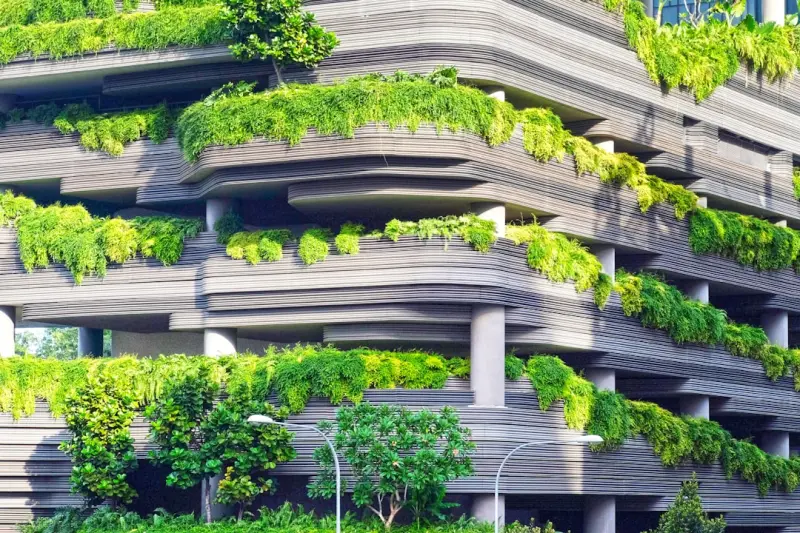
Historically, landscaping and architecture have operated in silos. The most successful projects now treat the site as a single, cohesive system. This integrated approach is evident in forward‑thinking developments that co‑locate smart garage structures with green roofs and living walls, creating a seamless transition from vehicle to office to outdoor space.
Key steps for integration:
- Early collaboration: Involve landscape architects at the schematic design stage, not as an after‑thought.
- Shared data models: Use BIM (Building Information Modeling) to overlay site topography, sun path analysis, and plant growth simulations.
- Performance metrics: Set measurable goals for energy reduction, water savings, and employee wellness.
When teams speak the same language, the result is a design that feels inevitable—like the landscape was always meant to be there.
Technology‑Enabled Visualization: Augmented Reality on the Job Site
One of the biggest hurdles in landscape projects is convincing stakeholders of the future look and performance of a design. Augmented reality (AR) bridges that gap by overlaying 3D plant models, hardscape elements, and performance data onto the physical site in real time.
Imagine walking through a parking lot while seeing a virtual canopy of trees projected onto the ground, complete with sun‑shade analysis. Decision‑makers can instantly gauge aesthetic impact, cost, and energy savings, reducing the back‑and‑forth of revisions.
For a deeper dive into how AR is reshaping design workflows, check out our piece on augmented reality in commercial renovations. The same principles apply to outdoor spaces, turning abstract concepts into tangible experiences.
Biophilic Workplace Trends: Beyond the Indoor Green Wall
While indoor plants have become commonplace, the next evolution is extending biophilia outdoors. Outdoor break‑areas, walking paths lined with aromatic herbs, and “pocket parks” embedded within office campuses give employees multiple touchpoints with nature throughout the day.
Research from the International WELL Building Institute shows that employees who regularly interact with outdoor greenery report a 12 % increase in perceived productivity and a 9 % reduction in stress levels. Designing these spaces with flexible furniture, Wi‑Fi coverage, and shade structures turns them into functional extensions of the office.
Economic ROI: Calculating the Payback
It’s natural to ask, “What’s the bottom line?” A well‑executed climate‑smart landscape can deliver a compelling return on investment (ROI) through three primary channels:
- Energy savings: Reduced cooling loads from shade and windbreaks can cut HVAC electricity usage by up to 15 %.
- Water cost reduction: Smart irrigation and rainwater capture can lower water bills by 20 %–30 %.
- Employee productivity gains: Biophilic design correlates with higher output, which translates to indirect financial benefits.
When you combine these factors, many projects achieve payback within 3‑5 years—often sooner when municipal incentives are factored in.
Getting Started: A Practical Roadmap
Ready to turn your grounds into a strategic asset? Follow this phased approach:
- Site audit: Conduct a detailed assessment of sun exposure, wind patterns, soil conditions, and existing water infrastructure.
- Goal setting: Define clear objectives—energy reduction, water savings, employee wellness, or a mix.
- Concept design: Work with a multidisciplinary team (architects, landscape architects, sustainability consultants) to create a design narrative.
- Technology selection: Choose smart irrigation controllers, AR visualization tools, and performance monitoring platforms.
- Implementation: Phase construction to minimize disruption, starting with high‑impact interventions like shade trees and rain gardens.
- Performance monitoring: Use dashboards to track energy, water, and wellness metrics, adjusting the system as needed.
Remember, the most successful landscapes are living systems— they evolve, adapt, and improve over time.
Future‑Proofing Your Outdoor Assets
Climate change, evolving work patterns, and tighter regulations mean that tomorrow’s successful businesses will be those that treat every square foot of property as an adaptable resource. Climate‑smart landscaping is not a fad; it’s a resilient strategy that aligns environmental stewardship with the bottom line.
By marrying data‑driven design, cutting‑edge technology, and a genuine respect for nature, you can create outdoor spaces that not only look stunning but also pay for themselves—year after year.

When it comes to the world of blogging and writing, Rose DesRochers is a name that stands out. Her passion for creating quality content and connecting with her audience has made her a trusted voice in the industry. Aside from her skills as a writer and blogger, Rose is also known for her compassionate nature.
Related Posts
Transform Your Yard: Sustainable Landscaping Strategies That Wow
Explore practical, sustainable landscaping techniques—from soil health to solar lighting—that cr... Read More
Urban Micro‑Gardens: Maximizing Green Space on Small Balconies
Learn to transform a modest balcony into a vibrant micro‑garden using smart containers, sustainabl... Read More
The Green Revolution in Landscaping: Sustainable Practices for a Greener Tomorrow
Join the green revolution and learn how to create a sustainable outdoor space that benefits both you... Read More
Top Posts

The Art of Fencing: A Comprehensive Guide to Enhancing Your Outdoor Space
Fencing is an essential aspect of outdoor design, serving both functional and aesthetic purposes. Learn how to select the right fence for your property and crea...Read More

AI-Powered Facades: Rethinking Building Skins for Climate Resilience
An in‑depth look at AI‑powered façade systems, revealing how parametric design, real‑time data, and sustainable materials reshape building envelopes for ...Read More
Rethinking Gutters: From Simple Drainage to Integrated Water Assets
A fresh look at gutters reveals their hidden potential: durable materials, purposeful routing, and simple tech integration turn ordinary drainage into a valuabl...Read More

The Evolution of Tiling: How Sustainable Solutions Are Revolutionizing the Industry
The tiling industry is undergoing a significant transformation, driven by the need for sustainable solutions. Learn about the evolution of tiling and how eco-fr...Read More
0 Comments
Post Comment
You will need to Login or Register to comment on this post!