

Garage Doors as the New Front‑Line of Home Innovation
When you walk up to a house, the first thing you notice isn’t the paint color or the landscaping—it's the garage door. In the past, garage doors were purely utilitarian, a steel box that kept cars safe. Today, they’re becoming the most expressive element of a home’s façade, a hub for technology, and a surprisingly powerful lever for energy, security, and even wellness. As someone who has spent years turning everyday building components into strategic assets, I’m excited to share why garage doors deserve a spot at the innovation table.
The Rise of the Connected Garage Door
Smart home ecosystems have matured past thermostats and lighting. The garage door, once an isolated mechanical system, is now the gateway to a network of sensors, cameras, and actuators that can talk to the rest of the house. Modern controllers can detect a vehicle’s approach, verify driver identity, and open automatically—while logging every entry and exit for audit purposes. This data can be fed into a broader building‑management platform to flag unusual activity, predict maintenance needs, or even coordinate with home energy storage systems.
From Security to Predictive Maintenance
Traditional garage door security relied on manual locks and simple remote controls. The new generation uses encrypted Bluetooth, Wi‑Fi, and even cellular backups. But the real game‑changer is predictive maintenance. Embedded strain gauges and temperature sensors monitor the torsion spring’s health, the motor’s load, and the door’s seal integrity. When the system detects a deviation—say, a slight increase in motor current—it can send a notification: “Your spring may need replacement in 30 days.” This transforms a sudden, costly failure into a scheduled service, saving time, money, and safety risks.
Energy Efficiency: Turning the Door into a Climate Buffer
Garage doors sit on the largest opening of any residential envelope. When left open, they become a thermal bridge, letting heat escape in winter and heat in during summer. Advanced insulated panels—often using vacuum‑insulated glass or high‑density foam cores—can cut that loss dramatically. Pair this with data‑driven weather‑hardening strategies that adjust the door’s seal tension based on outdoor humidity and temperature, and you have a dynamic barrier that reacts to the environment in real time.
Design as a Differentiator
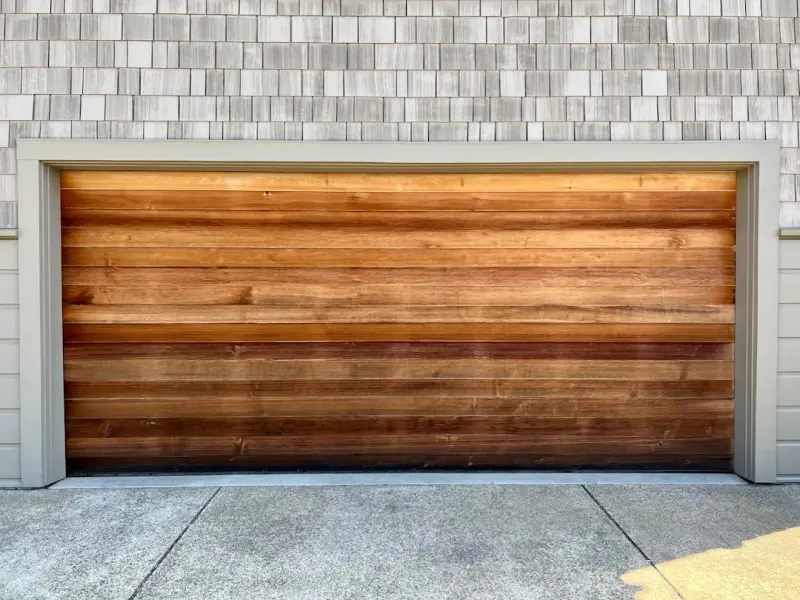
Beyond function, garage doors now serve as a canvas for architectural expression. Contemporary designs blend sleek aluminum frames with wood grain finishes, custom glass inserts, or even kinetic façades that change pattern with the sun’s angle. This shift isn’t just about aesthetics; it’s about aligning the door with the home’s overall brand. A well‑designed garage door can boost curb appeal, raise property value, and convey a narrative of forward‑thinking stewardship.
Integrating with Electric Vehicle (EV) Infrastructure
The surge in electric vehicles has turned the garage from a parking spot into a charging hub. Modern garage door controllers can communicate with EV chargers, ensuring that the door remains closed while high‑power charging is underway—maximizing safety and energy efficiency. Some systems even schedule charging based on utility rate signals, then automatically open the door when the car is fully charged, all without a single manual step.
Acoustic Benefits: Quieting the Street
Urban dwellers often struggle with noise pollution. A well‑engineered garage door can act as an acoustic shield, dampening traffic and street sounds before they infiltrate the living space. By using layered composite panels with sound‑absorbing cores, the door becomes a low‑frequency barrier, improving interior comfort. This is especially valuable for home offices where concentration is paramount.
Health and Wellness: Air Quality Control
Many homeowners unknowingly let pollutants creep in through the garage door gap—think car exhaust, dust, and VOCs from stored chemicals. Smart sealing mechanisms, combined with integrated air filtration vents, can create a negative pressure zone that pulls indoor air away from the garage, maintaining a healthier indoor environment. Coupled with the home’s HVAC system, this ensures that the air you breathe stays clean even when the door is open for loading and unloading.
Leveraging intelligent electrical solutions for Power Management
Garage doors consume power not only for operation but also for ancillary devices: lights, security cameras, and charging stations. By integrating with AI‑enhanced electrical panels, the garage’s load can be balanced against the rest of the home. The system learns peak usage patterns and can defer non‑essential loads to off‑peak hours, reducing demand charges and extending the life of the garage’s wiring.
Future‑Proofing with Modular Upgrades
One of the biggest challenges in home renovation is the “locked‑in” nature of large components. Modular garage door systems solve this by allowing owners to swap out panels, hardware, or even the entire actuation mechanism without a full teardown. This approach aligns with circular design principles, minimizing waste and enabling upgrades as new materials or technologies become available.
Case Study: Turning a Traditional Door into a Smart Asset
A suburban family recently upgraded their 30‑year‑old garage door with a fully insulated, motorized unit equipped with IoT sensors. Within three months, they reported a 15% reduction in heating costs, zero unscheduled maintenance calls, and increased peace of mind thanks to real‑time alerts on door status. The integration with their home’s EV charger also allowed them to schedule charging during off‑peak hours, saving even more on electricity bills.
Conclusion: The Garage Door as a Strategic Lever
Garage doors have evolved from static metal barriers to dynamic, data‑rich components that can enhance security, sustainability, and user experience. By embracing connectivity, advanced materials, and modular design, homeowners can unlock new value streams that were previously invisible. In the broader context of building innovation, the garage door is poised to become a key touchpoint—a place where technology, design, and everyday life intersect.

Tom Ferguson is a Canadian freelance writer with a passion for storytelling, current events, and thoughtful commentary. Drawing on years of writing experience, he shares engaging insights on a wide range of topics, bringing a uniquely Canadian perspective to his work.
Related Posts
Elevating the Garage Door: Smart, Sustainable, and Strategic Upgrades
A garage door is more than a functional entry; it’s a first‑impression powerhouse. Learn how sma... Read More

When the Door Becomes the Star: Reinventing Garage Door Design for Modern Living
Discover how to transform a plain garage door into a stylish, smart, and low‑maintenance asset—c... Read More

Garage Doors as Data Hubs: Turning Entryways into Revenue Engines
Modern garage doors are evolving into data-driven assets that boost security, cut downtime, and crea... Read More
Top Posts

AI Meets Glass: Transforming Windows & Doors into Intelligent Building Assets
Discover how AI-powered sensors and analytics turn ordinary windows and doors into dynamic, energy‑efficient, and secure components of a smart building, deliv...Read More

Breathing New Life Into Old Furniture: A Craftsman’s Journey
A seasoned craftsman shares his step‑by‑step process for breathing new life into heirloom furniture, emphasizing sustainable methods, structural repairs, an...Read More

A Sustainable Home Alarm System That Truly Works
I’ve spent years testing alarm tech, and I finally cracked the formula for a system that protects my family while honoring the planet—here’s how you can d...Read More

How Living Walls Transform Home Health and Productivity
Living walls turn ordinary walls into thriving ecosystems, offering space‑saving greenery, cleaner air, and a measurable boost to wellbeing and productivity....Read More
0 Comments
Post Comment
You will need to Login or Register to comment on this post!