
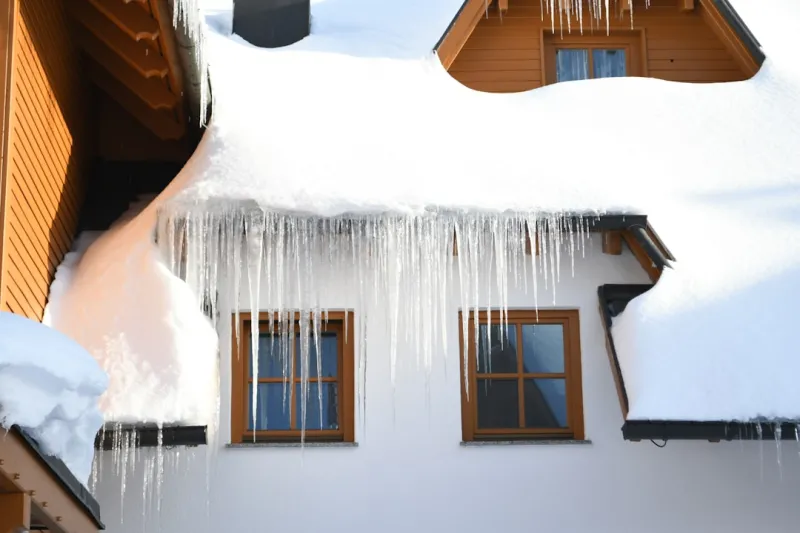
The Importance of Home Weatherproofing: A Comprehensive Guide
As a homeowner, ensuring that your home is weatherproofed is crucial for protecting it from the elements and maintaining its integrity. Weatherproofing involves sealing and protecting your home from water, wind, and other environmental factors that can cause damage and lead to costly repairs. In this article, we will discuss the importance of home weatherproofing, the benefits it provides, and the steps you can take to weatherproof your home.
Why Home Weatherproofing is Essential
Home weatherproofing is essential for several reasons. First, it helps to prevent water damage, which can be costly and time-consuming to repair. Water damage can occur due to heavy rainfall, flooding, or even a burst pipe. By weatherproofing your home, you can prevent water from entering your home and causing damage to your walls, floors, and foundation. Additionally, weatherproofing helps to reduce energy costs by sealing air leaks and preventing heat from escaping. This can lead to significant savings on your energy bills, especially during the winter months.
The Benefits of Home Weatherproofing
The benefits of home weatherproofing are numerous. Some of the most significant advantages include:
- Reduced energy costs: By sealing air leaks and preventing heat from escaping, you can save money on your energy bills.
- Prevention of water damage: Weatherproofing helps to prevent water from entering your home and causing damage to your walls, floors, and foundation.
- Increased property value: A well-weatherproofed home can increase its value and appeal to potential buyers.
- Improved indoor air quality: Weatherproofing helps to prevent moisture and pollutants from entering your home, improving the indoor air quality.
Steps to Weatherproof Your Home
Weatherproofing your home involves several steps, including:
- Inspecting your home's exterior: Look for any gaps or cracks in your home's exterior, including around windows, doors, and any openings for pipes or electrical outlets.
- Sealing air leaks: Use caulk or spray foam to seal any gaps or cracks you find.
- Installing weatherstripping: Install weatherstripping around doors and windows to prevent air from entering or escaping.
- Cleaning your gutters: Clean your gutters regularly to ensure that water can flow freely and doesn't accumulate.
The Role of Sustainable Practices in Home Weatherproofing
Sustainable practices play a crucial role in home weatherproofing. By incorporating sustainable materials and practices into your weatherproofing efforts, you can reduce your environmental impact and create a healthier living space. For example, using eco-friendly materials for weatherproofing, such as recycled denim or fiberglass, can help reduce waste and minimize environmental impact.
Sustainable Materials for Weatherproofing
There are several sustainable materials that you can use for weatherproofing your home. Some of the most popular options include:
- Recycled denim: A sustainable alternative to traditional insulation materials.
- Fiberglass: A sustainable material made from recycled glass.
- Plant-based insulation: Made from plant fibers, this insulation material is biodegradable and non-toxic.
The Intersection of Home Weatherproofing and Sustainable Design
Home weatherproofing and sustainable design go hand-in-hand. By incorporating sustainable design principles into your weatherproofing efforts, you can create a home that is not only energy-efficient but also environmentally friendly. For example, sustainable design principles can help reduce a home's carbon footprint by incorporating features such as large windows, solar panels, and green roofs.
The Benefits of Sustainable Design
The benefits of sustainable design are numerous. Some of the most significant advantages include:
- Reduced energy costs: Sustainable design principles can help reduce a home's energy consumption.
- Increased property value: A sustainably designed home can increase its value and appeal to potential buyers.
- Improved indoor air quality: Sustainable design principles can help improve indoor air quality by incorporating features such as natural ventilation.
Conclusion
In conclusion, home weatherproofing is essential for protecting your home from the elements and maintaining its integrity. By incorporating sustainable practices and materials into your weatherproofing efforts, you can reduce your environmental impact and create a healthier living space. Additionally, sustainable design principles can help reduce a home's carbon footprint and improve its energy efficiency. For more information on home weatherproofing and sustainable design, check out our article on weatherproofing your home.

Paul Gray is a dynamic blogger based in Brampton, where he shares his life with his amazing wife, Sarah. Known for his engaging writing style and relatable insights, Paul has carved out a niche in the blogging world that resonates with readers from all walks of life. When he's not crafting captivating posts, you can find him savoring a cold beer or indulging in the latest blockbuster movie. With a friendly demeanor and a passion for storytelling, Paul brings a unique perspective to his work, making him not just a blogger, but a voice for those who appreciate the simple joys of life.
Related Posts
The Green Home Inspection: A Comprehensive Guide to Sustainable Living
A green home inspection is crucial for identifying areas where your home can be more sustainable. Le... Read More
Turning Home Inspection Findings into a Proactive Maintenance Roadmap
A home inspection is more than a one‑time checklist; it’s the foundation for a proactive mainten... Read More
The Importance of Home Inspections in Sustainable Home Restoration
Home inspections play a critical role in sustainable home restoration. By identifying potential issu... Read More
Top Posts
Transforming Your Garage Into a Smart, Sustainable Powerhouse
Learn to upgrade your garage with smart tech, sustainable materials, and flexible layouts that boost functionality, energy savings, and home value....Read More
Sustainable Home Restoration: A Comprehensive Guide to Eco-Friendly Renovations
Learn about sustainable home restoration and how to create an eco-friendly home with our comprehensive guide. Discover eco-friendly materials, energy-efficient ...Read More
The Overlooked Essentials: Why Your Windows and Doors Define Your Home's Future
Windows and doors are more than just openings; they're vital to your home's energy efficiency, security, and aesthetics. Learn how smart upgrades and maintenanc...Read More
The Rise of Floor Heating: A Sustainable Solution for a Greener Future
Floor heating offers a unique opportunity to reduce our environmental footprint while providing comfort and style. Learn how to integrate this sustainable solut...Read More
0 Comments
Post Comment
You will need to Login or Register to comment on this post!