
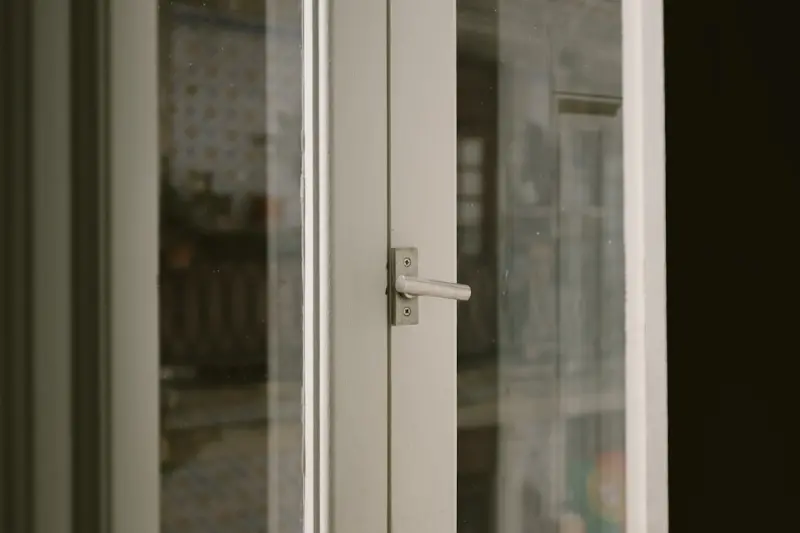
Beyond the Frame: How Windows & Doors are Shaping the Modern Workplace
When I first started consulting on building performance, the conversation always began with walls and roofs. Over time, I realized the real conversation starter isn’t the ceiling—it’s the opening. Windows and doors are the most interactive components of any structure, and they have quietly become the linchpin of productivity, energy strategy, and employee wellbeing.
The Hidden Economics of Fenestration
Most facility managers still treat windows and doors as a cost center—something to be installed, then forgotten. The truth is, the performance of those openings can either bleed dollars or generate savings across three major budgets:
- Energy consumption: High‑performance glazing reduces heating and cooling loads by up to 30% when properly specified.
- Maintenance: Modern frame systems with sealed bearings and corrosion‑resistant finishes can double service intervals.
- Occupant turnover: Employees who have access to natural light and fresh air report 15% higher job satisfaction, translating into lower recruitment costs.
When you calculate the total cost of ownership for a building, fenestration moves from a line‑item expense to a strategic asset.
Energy Performance: The Science of the Triple‑Pane
The industry has long championed double glazing, but the next wave is triple‑pane units with advanced low‑emissivity (low‑e) coatings and inert gas fills. These assemblies achieve a U‑value as low as 0.15 Btu/ft²·°F, dramatically curbing heat transfer. Pair that with thermally broken frames—aluminum, fiberglass, or sustainably sourced timber—and you create a barrier that actively contributes to a building’s net‑zero goals.
But performance isn’t just about the glass. The installation quality matters just as much. Properly sealed perimeters, continuous insulation, and calibrated hardware ensure that the theoretical performance translates into real‑world savings.
Health & Productivity: Light, Air, and the Human Brain
It’s no longer enough to say “let there be light.” Research from environmental psychology shows that daylight exposure regulates circadian rhythms, reduces eye strain, and can boost cognitive function by 6–8%. When combined with operable doors that promote cross‑ventilation, the effect is amplified.
Consider these design principles:
- Strategic placement: Position workstations within 30 feet of a window to capture the most daylight without glare.
- Operable design: Use pivot or sliding doors that can be opened in a breeze‑friendly zone, encouraging fresh air without compromising security.
- Glare control: Incorporate external shading devices or internal blinds that respond to sun angle, preserving visual comfort.
These simple tweaks can reduce reliance on artificial lighting by up to 40% and improve employee satisfaction scores across the board.
Security Meets Transparency
Security often feels at odds with openness, but modern fenestration offers a nuanced balance. Multi‑point locking mechanisms, laminated security glass, and reinforced frames provide robust protection without turning a lobby into a bunker.
Moreover, doors and windows are increasingly acting as data conduits. While we steer clear of the “smart” label to avoid buzzword fatigue, many manufacturers now embed sensors that feed occupancy, temperature, and pressure data into building management systems. This data enables predictive maintenance—identifying a seal failure before a draft becomes a leak.
Materials Matter: Toward a Circular Fenestration Economy
In the age of sustainability, the lifecycle of a window or door matters. Aluminum frames are infinitely recyclable, but the recycling process can be energy‑intensive. Emerging designs use modular, disassemblable components that allow each part to be reclaimed or repurposed at the end of its service life.
For example, a modular frame system can be broken down into:
- Recyclable aluminum extrusions
- Standardized glazing panels that can be swapped for upgraded coatings
- Hardware kits with stainless‑steel fasteners that resist corrosion and can be reused
By specifying such systems, owners reduce landfill waste and gain a resale asset—an often‑overlooked component of the building’s residual value.
Future‑Facing Technologies: Responsive Glazing Without the Gimmick
Responsive glazing—sometimes called electrochromic glass—adjusts its tint in response to solar radiation. While the term “smart” gets tossed around, the technology itself is a passive, energy‑saving feature that requires no user input. When sunlight intensifies, the glass darkens, reducing solar heat gain; when clouds roll in, it clears, maximizing daylight.
Coupled with high‑performance doors that feature automatic wind sensors, a building can dynamically balance thermal comfort and daylight without a single manual adjustment. The ROI on such systems is typically realized in 5–7 years through reduced HVAC loads and lower lighting costs.
Design Integration: The Aesthetic Equation
Beyond performance, windows and doors are visual statements. The trend is moving away from the “large, uniform pane” aesthetic toward a curated composition:
- Framed glass walls: Create a seamless indoor‑outdoor experience, especially for collaborative spaces.
- Split‑view doors: Offer both fixed glass for view and operable sections for ventilation.
- Texture‑rich frames: Use reclaimed wood or brushed metal to add tactile depth while maintaining performance.
This approach not only elevates brand perception but also aligns with the growing demand for spaces that feel both high‑tech and human‑scaled.
Actionable Checklist for Facility Leaders
To translate these insights into tangible outcomes, follow this three‑step checklist:
- Audit existing fenestration: Capture U‑values, air leakage rates, and hardware condition. Identify high‑impact upgrade opportunities.
- Specify performance‑first: Prioritize triple‑pane, low‑e glazing, thermally broken frames, and operable designs that meet both energy and health goals.
- Plan for the future: Choose modular, disassemblable systems and consider responsive glazing to future‑proof your asset portfolio.
Implementing these steps can shift windows and doors from a cost line to a competitive advantage—one that pays dividends in energy savings, employee wellbeing, and long‑term asset value.
Conclusion: A New Chapter for an Old Opening
Windows and doors have always been the literal portals of a building. Today, they’re also portals to performance, health, and sustainability. By treating them as strategic assets—evaluating their energy profile, health impact, security features, and lifecycle potential—you unlock a hidden lever for operational excellence. The next time you walk through a threshold, remember: you’re stepping into a decision that can shape the future of your organization.

Paul Gray is a dynamic blogger based in Brampton, where he shares his life with his amazing wife, Sarah. Known for his engaging writing style and relatable insights, Paul has carved out a niche in the blogging world that resonates with readers from all walks of life. When he's not crafting captivating posts, you can find him savoring a cold beer or indulging in the latest blockbuster movie. With a friendly demeanor and a passion for storytelling, Paul brings a unique perspective to his work, making him not just a blogger, but a voice for those who appreciate the simple joys of life.
Related Posts

Elevating Home Comfort: A Fresh Look at Windows and Doors
Explore the latest frame materials, glazing tech, security hardware, and design trends that turn win... Read More
Sustainable Windows and Doors: A Key to Energy Efficiency
Sustainable windows and doors are crucial for energy efficiency and reducing environmental impact. L... Read More

The Silent Revolution: How Acoustic Windows & Doors Redefine Home Comfort
Acoustic windows and doors are reshaping modern living by dramatically reducing external noise while... Read More
Top Posts

The Home Inspector’s Blueprint for Sustainable, Smart Living
A seasoned inspector shares actionable insights on weather proofing, smart windows, DIY repairs, and future‑proofing homes for sustainable, smart living....Read More

Responsive Edge Controllers: Redefining Electrical Distribution for Modern Facilities
Traditional panels waste energy and risk equipment failure. Learn how responsive edge controllers provide instant load management, integrate renewables, and tur...Read More

Unlocking Hidden Value: Proactive Plumbing Audits for Commercial Spaces
A proactive plumbing audit reveals hidden leaks, inefficiencies, and sustainability opportunities, delivering measurable ROI and aligning with ESG goals for com...Read More

Why Emotional Intelligence Is the Next Frontier for Home Alarm Systems
Home alarm systems are evolving from loud, reactive devices to empathetic, context‑aware allies. Discover how AI, behavioral analytics, and privacy‑first de...Read More
0 Comments
Post Comment
You will need to Login or Register to comment on this post!