
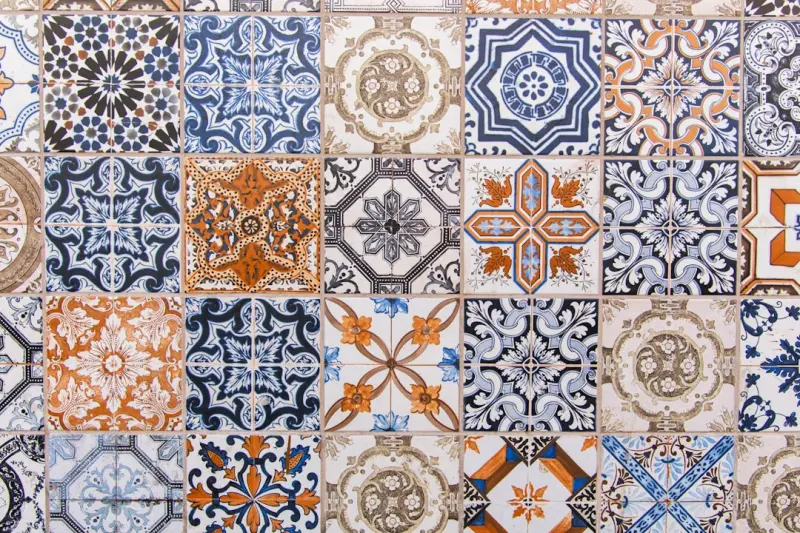
Why I See Tiles as a Storytelling Medium
Ever since I slipped a patterned ceramic into my kitchen backsplash, I’ve been convinced that tiles are more than just durable surfaces; they are a silent narrator that can shape the mood of a room without uttering a word. In my own home‑renovation journeys, I’ve watched a simple change in tile layout transform a cramped hallway into a promenade that feels like a curated gallery, proving that tile storytelling can be as powerful as a well‑chosen piece of artwork. The tactile nature of a tile—its edge, its gloss, its weight—allows homeowners to embed personal chapters into walls and floors, turning everyday spaces into chapters of a lived‑in novel.
Patterns That Speak Volumes
The patterns you select act like punctuation in a sentence, guiding the eye and dictating the rhythm of movement through a space. A classic subway tile, when laid in a tight grid, whispers of clean, modern minimalism, while a bold hexagonal arrangement shouts contemporary confidence, inviting occupants to linger and explore the geometric dance beneath their feet. I’ve found that alternating between subtle and dramatic motifs can create a visual crescendo that mirrors the way a story builds tension before reaching its climax.
Choosing Shapes to Match Your Narrative
Tile shape is the backbone of any visual tale; square, rectangular, penny, and oversized formats each bring a distinct personality to the plot. Large format porcelain, for example, stretches the eye across a room, suggesting openness and continuity—perfect for loft‑style living areas that crave an airy feel. Conversely, tiny mosaic tiles can conjure intimacy and intricacy, ideal for bathroom niches where a splash of handcrafted detail feels like a secret whispered in stone.
Color Palettes as Emotional Anchors
Just as an author selects a palette of words to evoke feeling, the colors you weave into your tile design dictate the emotional undercurrent of a space. Warm terracotta and muted ochre can summon the comfort of an old‑world kitchen, while cool slate blues and soft greys tend to quiet a bustling family room, encouraging relaxation. I often start my design process by laying out color swatches beside fabric samples and paint chips, allowing the hues to converse until a harmonious chorus emerges.
Mixing Textures for Depth and Drama
Texture adds a tactile subplot that engages the senses beyond sight, turning a flat floor into a layered narrative. Pairing matte, hand‑glazed tiles with high‑gloss, polished squares creates a contrast that feels both grounded and luminous, while incorporating natural stone introduces an organic roughness that whispers of the outdoors. This interplay not only enriches visual interest but also improves acoustic absorption, softening echo in open‑plan areas—an unexpected but welcomed chapter in the story of home comfort.
Layout Tricks to Frame Your Story
Beyond the choice of tile itself, the way you arrange it can frame the entire plot, guiding movement and highlighting focal points. Diagonal installations break the monotony of straight lines, injecting a sense of dynamism that can make a narrow bathroom appear wider, while a classic herringbone pattern adds a timeless rhythm that draws the eye toward a centerpiece such as a freestanding tub or a striking piece of artwork. I love to finish a room with a subtle border of contrasting tile; it acts like a literary margin, giving the main design breathing room and visual balance.
Personalizing with Custom Mosaics
One of my favorite ways to embed personal history into tile work is by creating custom mosaics that feature family photos, handwritten recipes, or even reclaimed pottery shards. These bespoke panels become conversation starters, turning a plain backsplash into a living scrapbook that evolves as your family grows. For those hesitant about full‑scale custom work, a single inset of a printed tile featuring a beloved landscape can serve as a visual anchor, reminding occupants of cherished memories each time they glance at the wall.
Practical Considerations: Durability, Grout, and Sustainability
While artistic ambition fuels creativity, the functional backbone of any tiling project lies in its durability and maintenance. Selecting a low‑porosity ceramic for high‑traffic areas ensures resistance to stains and moisture, while opting for epoxy grout offers superior stain resistance and less frequent sealing—a small investment that pays off in longevity. For environmentally conscious readers, I recommend exploring reclaimed wood‑look tiles or those made from recycled glass; they provide the same aesthetic punch while reducing landfill impact. To learn more about coordinating colors with your overall décor, check out strategic paint combos, and for a deeper dive into sustainable finishes, explore sustainable drywall techniques.
Budget‑Friendly Tips and DIY Confidence
Creating a compelling tile narrative doesn’t require a fortune; many designers achieve high‑impact results by using leftover or “remnant” tiles from larger orders, piecing them together like a patchwork quilt that tells a story of resourcefulness. A simple DIY approach—such as applying a thin‑set mortar with a notched trowel and using a laser level for perfect alignment—empowers homeowners to take control of the artistic process and save on labor costs. Remember, the key is to plan meticulously, mock‑up your pattern on paper, and take your time during installation; a careful hand yields a finished tale that feels both polished and personal.
Closing Thoughts: Let Your Floors and Walls Speak
When you view tiles through the lens of storytelling, each square, each grout line becomes a sentence that contributes to the larger narrative of your home. By thoughtfully selecting patterns, shapes, colors, and textures, you can craft spaces that not only meet functional needs but also whisper, shout, or sing the chapters of your life. So, next time you stand before a blank wall or an empty floor, ask yourself: what story do I want these tiles to tell?

Kelly Reynolds is a dynamic freelance writer hailing from the picturesque landscapes of Alberta. A master of the written word, she juggles her passion for storytelling with the exhilarating chaos of being a mother to five spirited children. With an impressive portfolio that spans various genres, Kelly captivates readers through her engaging blog posts and thought-provoking articles.
Related Posts
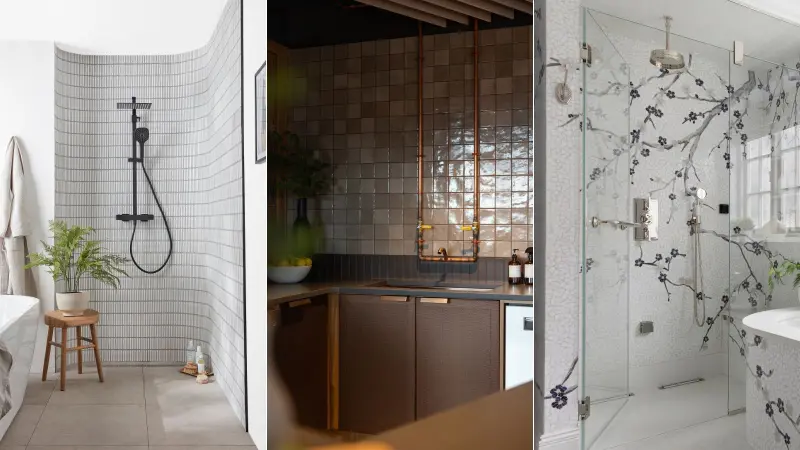
Tile Trends That Transform Your Home: From Materials to Smart Integration
Explore fresh tile trends, from sustainable materials and bold patterns to sensor‑embedded floors,... Read More
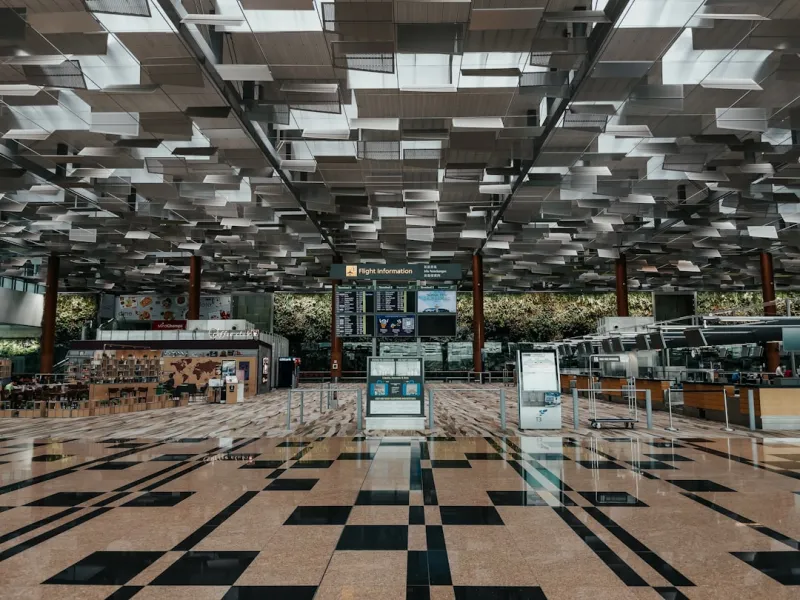
The Evolution of Tiling: Trends, Innovations, and Best Practices
The world of tiling is evolving rapidly, driven by advances in technology and changing consumer pref... Read More
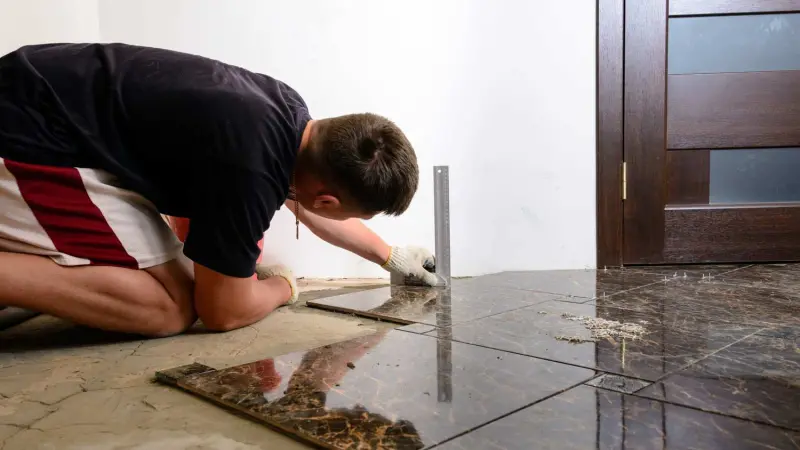
Tile Mastery: From Subfloor Secrets to Future‑Proof Design
Learn insider tips on preparing subfloors, choosing durable tiles, mastering grout, and adding smart... Read More
Top Posts

Beyond Warmth: How Smart Floor Heating Redefines Commercial Comfort
Floor heating is evolving from a luxury add‑on to a strategic asset, offering uniform warmth, lower energy costs, and health benefits while integrating with s...Read More
Transforming Basements into High‑Performance, Future‑Ready Spaces
A data‑driven, modular approach to basement renovations can convert a dark, damp area into a high‑performance hub for work, wellness, and entertainment whil...Read More
The Sustainable Paving Revolution: A Greener Future for Your Outdoor Space
Join the sustainable paving revolution and create a greener future for your outdoor space. Learn about the latest trends in sustainable paving solutions, includ...Read More
From Backyard to Boardroom: Adaptive Sheds and Gazebos for Modern Home Offices
A deep dive into converting traditional sheds and gazebos into high‑performing, climate‑smart workspaces using modular components, IoT sensors, and sustaina...Read More
0 Comments
Post Comment
You will need to Login or Register to comment on this post!