
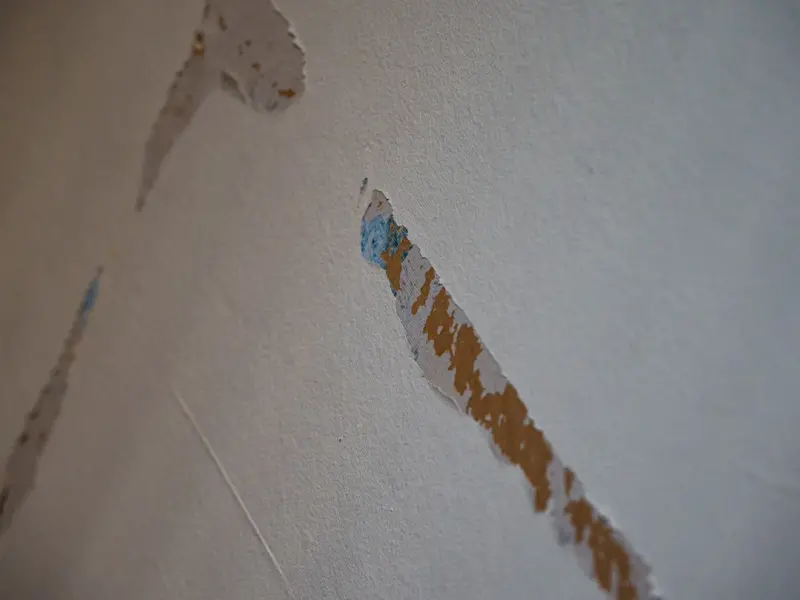
Why Drywall Is No Longer Just a Blank Canvas
When most people think about commercial interiors, drywall is the quiet, invisible hero that holds everything together. It’s the foundation for lighting, HVAC, and décor, yet it rarely gets a spotlight. In today’s data‑driven, sustainability‑obsessed world, drywall has stepped out of the background and is becoming a strategic asset that can influence acoustics, energy performance, and even employee wellbeing.
From Passive Partition to Active Performance
Traditional drywall was prized for its ease of installation and low cost. Modern businesses, however, demand more than a simple partition. They need walls that:
- Absorb and manage sound to create focused work zones and quiet meeting rooms.
- Support sustainability goals through recycled content and low‑VOC finishes.
- Integrate with technology by providing a platform for sensors, data cables, and power.
- Enhance fire safety without compromising design flexibility.
By selecting high‑performance drywall systems, companies can turn a basic construction element into a multifunctional tool that directly contributes to the bottom line.
Acoustic Mastery: Turning Noise Into a Competitive Edge
Open‑plan offices are still popular, but the downside—uncontrolled noise—can erode productivity. While acoustic ceiling tiles and furniture cushions help, the wall system remains the most effective barrier. Advanced gypsum boards now feature:
- Integrated visco‑elastic layers that dampen mid‑frequency sound.
- Perforated cores that break up sound waves.
- Surface finishes designed to reduce reverberation.
When installed correctly, these boards can achieve Sound Transmission Class (STC) ratings of 55+, enough to keep a conference call private even when a coffee machine hums in the next room. The result? Teams can concentrate, client calls stay confidential, and the company’s reputation for professionalism grows.
Sustainability: The Green Side of Gypsum
Gypsum, the primary component of drywall, is one of the most abundant minerals on the planet. Modern manufacturers have taken this abundance and turned it into a sustainability story by:
- Incorporating recycled drywall scrap back into new panels, reducing landfill waste.
- Using low‑impact binders that cut CO₂ emissions during production.
- Offering zero‑VOC joint compounds that improve indoor air quality.
For businesses pursuing ESG (Environmental, Social, Governance) targets, choosing these greener drywall options can earn valuable credits on green building certifications like LEED or BREEAM, and demonstrate a tangible commitment to responsible construction.
Data Integration: The Wall As a Smart Surface
Imagine a wall that not only separates spaces but also powers them. With the rise of the Internet of Things (IoT), drywall is being engineered to host embedded conduits and sensor pods without the need for visible raceways. This approach offers several advantages:
- Cleaner aesthetics—cables disappear behind the drywall, preserving design intent.
- Future‑proofing—pre‑installed pathways make retrofitting sensors for occupancy, temperature, or air quality a breeze.
- Reduced installation time—electricians can tap into the built‑in channels instead of drilling new holes.
Companies that adopt this “smart drywall” model can collect real‑time data on space utilization, enabling better facility management and smarter real‑estate decisions.
Fire Safety: A Non‑Negotiable Business Asset
While fire codes have always dictated the use of fire‑rated drywall in certain areas, the latest fire‑resistant panels go beyond compliance. They provide:
- Enhanced intumescent layers that expand when exposed to heat, sealing gaps.
- Higher ASTM E84 ratings, achieving a Class A classification for flame spread.
- Integration with fire detection systems that can sense temperature changes through embedded sensors.
For businesses that operate in high‑risk environments—data centers, labs, or manufacturing floors—these upgrades translate directly into lower insurance premiums and reduced downtime after an incident.
Speed and Precision: The New Installation Playbook
Time is money, especially in commercial construction where delays cascade into lost revenue. Modern drywall systems now feature:
- Pre‑scored panels that snap into exact dimensions, slashing cutting time.
- Lightweight composites that reduce crew fatigue and lower labor costs.
- Self‑adhesive backing for quick placement on metal studs.
These innovations align with lean construction principles, helping project managers keep schedules tight and budgets predictable.
Design Flexibility: From Minimalist to Bold Statements
Drywall’s adaptability goes beyond the plain white finish. With modern finishing techniques, you can achieve:
- Textured plaster‑like finishes that add depth without the weight of traditional plaster.
- Custom architectural molding that integrates directly into the board, reducing additional trim work.
- Large‑format prints and digital wall graphics that turn an ordinary partition into a brand storytelling canvas.
These options allow businesses to maintain a cohesive visual identity while still benefiting from the performance advantages of high‑tech drywall.
Case Study: A Tech Hub That Leveraged Drywall for Growth
A fast‑growing software company recently renovated its headquarters using a high‑performance drywall system that combined acoustic, sustainable, and smart features. The outcomes were striking:
- Noise levels in collaborative zones dropped by 30%, boosting employee focus.
- The use of recycled gypsum helped the firm achieve LEED Gold certification.
- Embedded occupancy sensors reduced HVAC energy use by 12% through demand‑controlled ventilation.
This example underscores how a strategic approach to drywall can deliver measurable ROI across multiple business dimensions.
Linking to Broader Wall Strategies
While drywall shines on its own, it often works in concert with other wall technologies. For a holistic view of how wall finishes can become business assets, explore the concepts of sustainable acoustic solutions in Rethinking Plaster: Sustainable, Acoustic, and Smart Solutions for Modern Interiors. Additionally, the evolution of wall materials as brand‑enhancing tools is discussed in Plaster Power: Turning Walls into Business Assets, offering valuable insights that translate directly to drywall decisions.
Implementing High‑Performance Drywall: A Step‑by‑Step Guide
- Assess Your Priorities: Determine whether acoustics, sustainability, fire rating, or data integration is most critical for your space.
- Choose the Right Board: Match board specifications (e.g., STC rating, fire‑resistance class, recycled content) to your goals.
- Plan the Layout: Work with architects to embed conduit pathways and sensor locations during the design phase.
- Select Finishes: Decide on paint, texture, or graphic applications that align with brand identity.
- Coordinate Installation: Use pre‑scored and lightweight panels to accelerate the build schedule.
- Test and Optimize: After installation, verify acoustic performance, fire integrity, and sensor functionality.
- Document for ESG Reporting: Capture data on recycled content and energy savings for sustainability reports.
Following this roadmap ensures that your drywall investment delivers both immediate functional benefits and long‑term strategic value.
Future Outlook: What’s Next for Drywall?
The next wave of drywall innovation is already on the horizon. Researchers are experimenting with:
- Gypsum panels infused with phase‑change materials that store and release thermal energy, contributing to passive heating and cooling.
- Bio‑based binders derived from agricultural waste, further reducing the carbon footprint.
- Fully modular wall systems that can be reconfigured on demand, supporting agile office layouts.
As these technologies mature, businesses that have already embraced high‑performance drywall will find it easier to integrate new upgrades, keeping their interiors ahead of the curve.
Bottom Line: Drywall as a Strategic Business Lever
In a landscape where every square foot of office space is scrutinized for cost, efficiency, and brand impact, drywall should be viewed as a lever—not a liability. By selecting boards that deliver acoustic control, sustainability, fire safety, and data integration, companies can:
- Enhance employee productivity and wellbeing.
- Meet or exceed ESG and regulatory requirements.
- Reduce operational costs through energy savings and streamlined installations.
- Strengthen brand perception through purposeful design.
In short, modern drywall is a silent partner that, when chosen wisely, can amplify a business’s performance in ways that are measurable, visible, and lasting.

David MacKinnon is a dynamic freelance writer known for his captivating storytelling and keen insights into the world of technology. With a passion for exploring the intersection of innovation and everyday life, he crafts engaging narratives that not only inform but also inspire his readers.
Related Posts
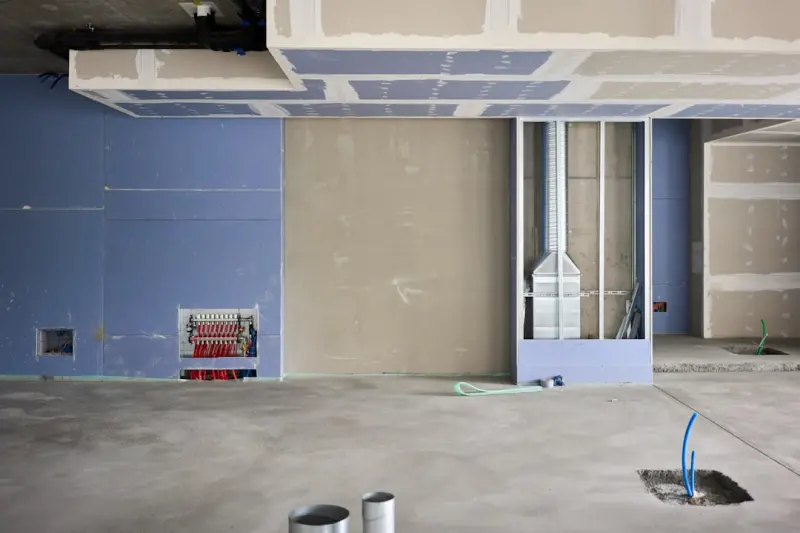
Beyond the Board: Mastering Sustainable Drywall Techniques
Learn how to choose, install, and maintain sustainable drywall, integrating smart wiring and eco‑f... Read More

The Art of Drywall: From Rough‑In to Finish
A seasoned pro shares step‑by‑step drywall insights—planning, material choice, hanging, taping... Read More
Mastering Modern Drywall: From Sustainable Boards to Acoustic Perfection
Learn how to choose eco‑friendly drywall, integrate acoustic solutions, and future‑proof walls w... Read More
Top Posts

Adaptive Window Treatments: Turning Light Into a Strategic Business Lever
Discover how integrating smart blinds, electrochromic glass, and data-driven controls transforms ordinary windows into dynamic assets that enhance productivity,...Read More

Breathing New Life into Your Outdoor Space: The Transformative Power of Awnings
Awnings can transform your outdoor space into a haven of comfort and style. Learn about the benefits, styles, and installation options of awnings....Read More
Carbon‑Negative Concrete: How the Industry Is Rewriting Its Green Playbook
Concrete is undergoing a climate makeover. By swapping traditional cement for low‑carbon binders, capturing CO₂ during curing, and using waste aggregates, b...Read More

Design‑Build Meets Augmented Reality: Real‑Time Collaboration for Smarter Projects
Augmented reality is reshaping design‑build workflows by overlaying 3‑D models onto physical sites, enabling real‑time feedback, material traceability, an...Read More
0 Comments
Post Comment
You will need to Login or Register to comment on this post!