
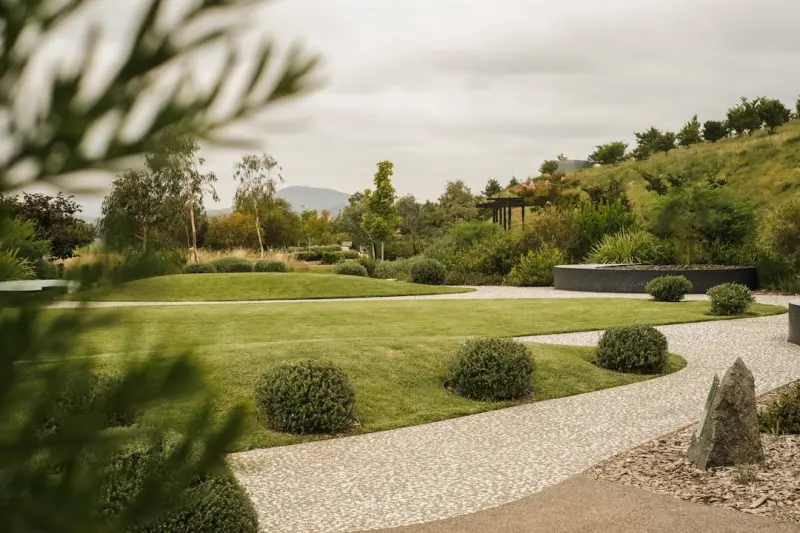
Why a Sensory‑Driven Landscape Deserves Your Attention
When I first stepped onto a garden that whispered, rustled, and invited touch, I realized landscapes can be more than visual backdrops—they can be immersive experiences that nurture the mind and body. A sensory garden engages sight, sound, smell, texture, and even taste, turning everyday outdoor time into a restorative ritual. By intentionally layering these elements, you create a living sanctuary that calms stress, sharpens focus, and fosters a deeper connection to nature, something I’ve found essential after long days on construction sites. This approach goes beyond decorative planting; it’s about designing a space that responds to human needs in a holistic way.
Mapping the Emotional Blueprint of Your Space
The first step in my process is to map out the emotions you want each zone to evoke, much like drafting a floor plan for a home. I start with a simple sketch, marking areas for quiet contemplation, lively interaction, and functional harvest. By assigning moods—tranquil, playful, nourishing—to each zone, you can select plants and features that naturally support those feelings. For instance, soft, silvery foliage paired with gentle water sounds can lull the mind, while bright, aromatic herbs awaken the senses and invite culinary creativity. This emotional mapping ensures every step you take feels purposeful, turning the garden into a narrative you walk through daily.
Selecting Plants That Speak to the Senses
Choosing the right plant palette is where science meets storytelling; I favor species that offer multi‑sensory cues throughout the seasons. Think of lavender for its calming scent, ornamental grasses that rustle in the breeze, and textured foliage like lamb’s ear that begs to be touched. Incorporating edible varieties—such as mint, rosemary, and dwarf fruit trees—adds a gustatory dimension that rewards curiosity and harvest. I also prioritize native plants, which provide reliable bloom cycles and support local pollinators, reinforcing the garden’s ecological health while delivering consistent sensory payoff.
Integrating Edible Elements Without Compromising Aesthetics
Edible landscaping often suffers from the misconception that it looks utilitarian, but with careful design it can blend seamlessly into ornamental settings. I weave vegetable beds into raised, sculptural planters that echo the lines of nearby pathways, allowing harvests to be both beautiful and functional. Companion planting not only maximizes space but also creates visual contrast—think of purple kale framing a row of bright cherry tomatoes. By treating food crops as design features rather than afterthoughts, you cultivate a garden that feeds the body and pleases the eye.
Water Features That Amplify Calm and Biodiversity
Water is a natural amplifier of sensory richness, and a modest feature can transform the atmosphere of any garden. A shallow, tiered basin filled with native stones creates gentle ripples that produce a soothing soundtrack, while also providing a haven for frogs and beneficial insects. I often line these basins with aquatic plants like watercress, which add a subtle peppery taste to salads harvested straight from the water’s edge. Even a simple rain chain can turn a functional downspout into a kinetic sculpture, marrying utility with aesthetic delight.
Hardscape Materials That Echo Natural Textures
The ground beneath our feet sets the stage for the entire sensory experience, so I select hardscape materials that echo the surrounding landscape. Decomposed granite offers a soft crunch underfoot, while reclaimed slate pavers introduce cool, smooth surfaces perfect for barefoot walks. I also incorporate reclaimed wood decks that age gracefully, creating a warm contrast against stone pathways. By mixing materials of varying temperatures and textures, you invite visitors to explore the garden with their hands and feet, deepening the tactile connection to the environment.
Sustainable Practices That Enhance the Sensory Palette
Embedding sustainability into design not only protects the planet but also enriches the garden’s sensory output. I employ rain gardens to capture runoff, which creates lush, moist pockets that attract dragonflies and emit earthy aromas after a rain. Mulching with locally sourced bark reduces water loss and adds a subtle, woody scent to the soil surface. For those looking to extend sustainable principles indoors, consider exploring smart window treatments that regulate light while preserving the garden’s natural rhythm. Likewise, integrating solar energy solutions can power water pumps and lighting, ensuring the garden remains vibrant after dusk without a carbon footprint.
Maintaining the Garden as a Living, Evolving Artwork
Unlike static décor, a sensory garden thrives on change, and its upkeep should celebrate that dynamism. Seasonal pruning shapes growth patterns, revealing new textures and scents as the year progresses. I recommend a quarterly “sensory audit,” walking through each zone to assess how the sights, sounds, and smells align with your original emotional blueprint. Adjustments—such as introducing a new herb for culinary variety or swapping out a plant that has outgrown its space—keep the garden fresh and responsive. This ongoing stewardship turns maintenance into a creative ritual rather than a chore.
Bringing It All Together: Your Personal Sanctuary Awaits
When you weave together thoughtful plant selection, purposeful water features, tactile hardscapes, and sustainable practices, you craft a garden that feels like an extension of your own well‑being. My journey has taught me that the most rewarding landscapes are those that engage every sense, offering a daily invitation to pause, breathe, and reconnect. By following this holistic blueprint, you’ll create a living sanctuary that not only elevates your property’s value but also nurtures the mind, body, and spirit for years to come.

David MacKinnon is a dynamic freelance writer known for his captivating storytelling and keen insights into the world of technology. With a passion for exploring the intersection of innovation and everyday life, he crafts engaging narratives that not only inform but also inspire his readers.
Related Posts
Designing a Seasonal Narrative Landscape: Pollinators, Rain Gardens, and Sustainable Hardscapes
Discover a fresh approach to landscaping that treats your garden as a seasonal narrative, integrates... Read More

Seasonal Storytelling in Landscape Design: Crafting Gardens That Change With You
Discover a fresh approach to landscaping that treats gardens as living stories, using seasonal plant... Read More
Urban Micro‑Gardens: Maximizing Green Space on Small Balconies
Learn to transform a modest balcony into a vibrant micro‑garden using smart containers, sustainabl... Read More
Top Posts

AI‑Powered HVAC: Turning Climate Control into Predictive Service
A deep dive into AI‑driven HVAC shows how predictive analytics, smart sensors, and heat‑pump integration can slash energy use, improve indoor air quality, a...Read More

Solar‑Integrated Facades: Merging Design, Performance, and Clean Energy
Solar‑integrated façades turn building skins into powerful, beautiful energy generators. This post walks through technology, design strategy, financial benef...Read More

Beyond the Fuse Box: How Modular Power Grids Are Powering the Next Generation of Smart Buildings
Traditional electrical systems are rigid and wasteful, but modular power distribution combined with AI energy management offers scalable, resilient, and cost‑...Read More

Smart Lighting Hacks to Transform Your Home Without Breaking the Bank
Unlock the power of light with practical, budget‑friendly tips that enhance comfort, cut energy costs, and make every corner of your home feel inviting....Read More
0 Comments
Post Comment
You will need to Login or Register to comment on this post!