
Why Sustainable Lawn Care Matters
When I first stepped onto a sun‑baked yard after a long construction season, I realized the grass was more than just a visual backdrop—it was a living indicator of how we treat our environment. Healthy soil, proper watering, and native plants act like a natural filter, reducing runoff and improving air quality, which is why I now champion sustainable lawn practices in every project I touch. My years on the job have taught me that a thriving lawn can lower utility bills, boost curb appeal, and protect the foundation of a home from erosion, creating a win‑win for homeowners and the planet alike.
Assessing Your Yard Before You Act
Before you reach for the latest fertilizer, take a moment to conduct a quick audit of your landscape; this is the foundation of any effective lawn‑care plan. I start by testing soil pH, checking for compaction, and mapping sun‑ and shade‑heavy zones—steps that reveal whether you need lime, aeration, or a shift to drought‑tolerant grasses. Understanding these variables helps you avoid over‑application of chemicals and water, ensuring that every resource you invest yields maximum return for both your lawn and the ecosystem.
Choosing the Right Grass and Groundcovers
In my experience, selecting a grass species that matches your climate is the single most impactful decision you can make for sustainability. Warm‑season grasses like Bermuda or Zoysia thrive on heat and need less irrigation, while cool‑season varieties such as fescue perform best in milder regions and tolerate shade better. Pairing these grasses with native groundcovers—clover, thyme, or low‑maintenance sedum—creates a resilient carpet that crowds out weeds, reduces fertilizer dependence, and adds biodiversity to your yard.
Integrating Native Plants
Native plants are the unsung heroes of a sustainable lawn; they require fewer inputs and provide habitat for pollinators, which in turn improves overall garden health. I often recommend planting a mix of native wildflowers along borders and in transition zones to attract bees and butterflies, creating a vibrant ecosystem that supports your grass's growth. This strategy not only cuts down on maintenance costs but also transforms an ordinary lawn into a living showcase of regional flora.
Smart Water Management Techniques
Water is the lifeblood of any lawn, yet many homeowners waste gallons by over‑watering or using inefficient sprinklers. I advise installing a smart irrigation controller that adjusts watering schedules based on real‑time weather data, dramatically cutting back on excess use. Additionally, employing techniques like deep‑root watering early in the morning or using drip irrigation for shrubs ensures water penetrates deeply, encouraging roots to grow stronger and making the lawn more drought‑resistant.
Fertilization and Soil Health
Traditional synthetic fertilizers can be a quick fix, but they often lead to nutrient runoff that harms nearby waterways. My approach leans toward organic amendments—compost, bone meal, and seaweed extracts—that feed the soil microbiome, fostering a healthier root system and reducing the need for repeat applications. By conducting an annual soil test, you can tailor nutrient inputs precisely, preventing over‑fertilization and supporting a thriving, low‑maintenance lawn.
Integrating Lawn Care with Whole‑Home Sustainability
Think of your yard as an extension of your home's energy system; the choices you make outdoors echo inside your walls. Pairing sustainable lawn practices with home upgrades—like those found in the Sustainable Home Hacks guide—creates a holistic strategy that maximizes energy efficiency and reduces overall carbon footprints. For example, installing rain barrels captures runoff for irrigation, while reflective mulches can lower soil temperatures, reducing the need for supplemental watering during hot spells.
Maintenance Routines That Save Time and Money
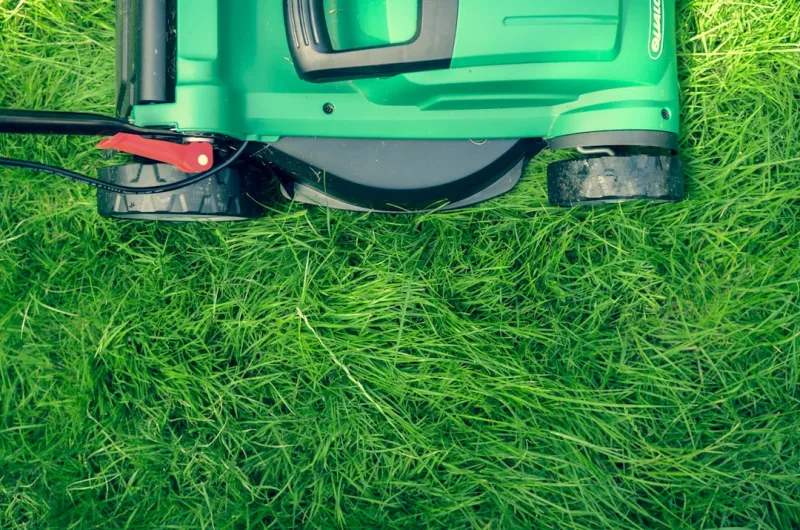
Consistent, low‑impact maintenance is the secret sauce behind a lawn that looks immaculate year‑round without draining your wallet. Mow at the right height—typically one‑third of the blade length—to encourage deeper roots and shade out weeds; sharpen your mower blades regularly to avoid tearing the grass, which can invite disease. Finally, schedule seasonal aeration and dethatching to maintain soil structure, ensuring that air, water, and nutrients reach the grassroots where they belong.
Learning from the Pros: Resources That Guide Sustainable Success
Even seasoned gardeners benefit from expert insights, and I often turn to trusted resources for fresh ideas and proven methods. The Sustainable Tree Care Playbook offers valuable guidance on integrating trees and shrubs with lawn care, while the Sustainable Plastering guide reminds us that sustainability extends beyond the yard into the very walls of our homes. By leveraging these veteran‑tested strategies, you can craft a lawn that not only looks great but also supports a healthier, more resilient property for years to come.

Paul Gray is a dynamic blogger based in Brampton, where he shares his life with his amazing wife, Sarah. Known for his engaging writing style and relatable insights, Paul has carved out a niche in the blogging world that resonates with readers from all walks of life. When he's not crafting captivating posts, you can find him savoring a cold beer or indulging in the latest blockbuster movie. With a friendly demeanor and a passion for storytelling, Paul brings a unique perspective to his work, making him not just a blogger, but a voice for those who appreciate the simple joys of life.
Related Posts

Reviving Soil for Lush, Resilient Lawns
A comprehensive, data‑informed approach to lawn care that starts with soil health, uses precise wa... Read More
The Importance of Sustainable Lawn Care Practices
As homeowners, we often overlook the importance of sustainable lawn care practices. Learn how to cre... Read More
Revitalize Your Lawn: A Soil‑First Strategy for Thriving Grass
A soil‑first approach transforms your lawn into a resilient, low‑maintenance oasis. Learn how to... Read More
Top Posts
Concrete as a Brand‑Defining Asset: From Color to Data
Explore how modern businesses can transform concrete from a passive foundation into a dynamic brand asset using integrated color, rapid modular formwork, and em...Read More

Predictive Maintenance: The Smart Way to Future‑Proof Your HVAC Systems
Discover why shifting from reactive repairs to predictive maintenance is essential for modern HVAC systems, delivering cost savings, energy efficiency, and a ro...Read More
Roofing Reinvented: Subscription, Self‑Healing Materials, and AI Monitoring
A deep dive into the emerging model of Roofing‑as‑a‑Service, highlighting subscription financing, self‑healing membranes, and AI‑powered sensor networ...Read More

Smart Foundations: How Embedded Sensors are Redefining Structural Integrity
Embedding IoT sensors into building foundations transforms them from passive supports into active, data‑rich systems that detect settlement, moisture, and loa...Read More
0 Comments
Post Comment
You will need to Login or Register to comment on this post!