
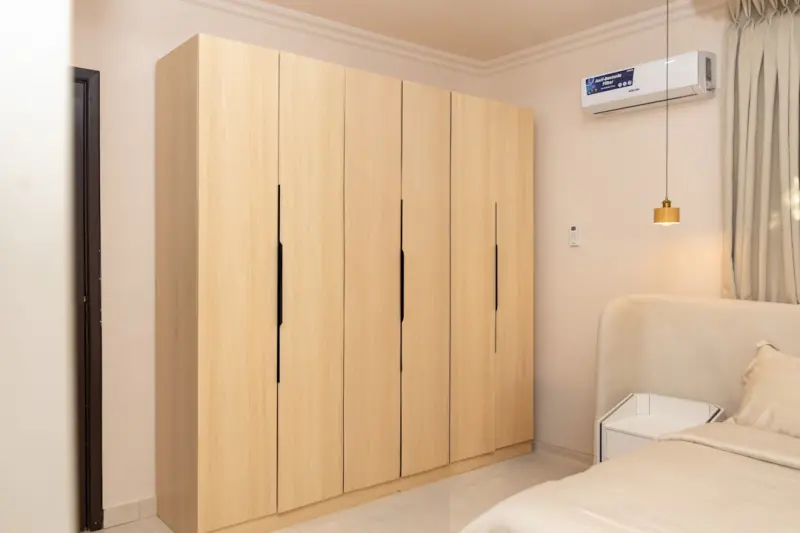
Why Your Closet Should Be a Living Part of Your Routine
When I first walked into a client’s walk‑in, I expected to see a tidy array of hangers and neatly folded sweaters. What I actually found was a silent battlefield: shoes trampled over, seasonal pieces hidden in boxes, and a frustration that lingered long after the door closed. The closet isn’t just a storage nook; it’s a daily interface with the life you lead. If the space feels like an obstacle, it’s doing exactly what a poorly designed system is supposed to prevent – it’s stealing time, energy, and even confidence.
The Psychology Behind What We Store
Humans are storytellers, and the items we keep are chapters of our personal narrative. A beloved leather jacket isn’t just a piece of clothing; it’s a memory of a road trip. A stack of unused workout gear can become a visual reminder of goals unmet. Research in environmental psychology tells us that clutter triggers the brain’s stress response, while organized spaces promote calm and decision‑making efficiency. In short, the way you arrange your closet can either amplify or mute the mental bandwidth you have for the day ahead.
Step 1: Audit Before You Rearrange
Before any modular shelves or custom cabinetry arrive, conduct a simple “what’s really here?” inventory. Pull everything out, sort into four categories:
- Everyday Essentials – items you wear at least twice a week.
- Seasonal Rotations – pieces that shine for a few months each year.
- Sentimental Holds – garments you keep for emotional reasons.
- Discard or Donate – anything that hasn’t seen the light of day in the past twelve months.
Document the count in a notebook or a quick spreadsheet. You’ll be surprised how many “just in case” items actually belong in a storage bin elsewhere.
Step 2: Map the Flow, Not Just the Space
Think of your closet as a small hallway. You enter, you move forward, you stop, you decide, you retrieve, you exit. The path should be intuitive:
- Primary Zone – the first 3‑4 feet where you grab everyday items. Hang shirts, pants, and jackets here.
- Secondary Zone – the next segment for items you need less often, such as formal wear or work‑specific gear.
- Staging Shelf – a narrow ledge at eye level for “what to wear today” planning.
- Hidden Compartment – a higher or lower shelf for seasonal storage, accessed via a pull‑out drawer or rolling ladder.
When you visualize this flow, you’ll notice that many closets suffer from a “dead zone” – a stretch of space where nothing is reachable without bending or stretching. That’s an immediate design red flag.
Step 3: Choose Storage Solutions That Match Your Habits
There’s no one‑size‑fits‑all shelving system, but you can align the hardware to the way you use clothing:
- Adjustable Rods – perfect for families where height changes or when you switch between summer dresses and winter coats.
- Pull‑Out Baskets – ideal for accessories like scarves, belts, or even tech gear. They let you see the entire contents without rummaging.
- Clear Box Cubes – for seasonal shoes or bags. The transparency eliminates guesswork.
- Built‑In Drawers – for undergarments and delicate fabrics that need a softer environment.
When selecting any component, ask yourself: “Will I use this daily, weekly, or seasonally?” That question keeps you from over‑engineering and over‑spending.
Step 4: Integrate Light and Color for Visual Clarity
Good lighting does more than reveal the color of a shirt; it cues the brain that a space is cared for. LED strip lights along the upper rod, motion‑sensor fixtures, or even a small LED panel can transform a dim corner into a showcase. As for color, a neutral backdrop (soft gray or warm white) reduces visual clutter, while a pop of muted teal or sage on the interior of doors can add a calming accent without overwhelming the eye.
Step 5: Leverage Seasonal Rotation, Not Storage Chaos
Many households solve the “too many clothes” problem by stuffing winter coats in the attic. That’s a short‑term fix that leads to damage and lost items. Instead, create a seasonal rotation plan:
- At the end of each season, pull the relevant garments out of the closet.
- Clean – dry‑clean, wash, or air out each piece before storage.
- Store in breathable fabric bags or clear plastic boxes with ventilation holes.
- Label each box with the season and a quick visual cue (e.g., a small icon).
- Place the boxes in the hidden compartment you designed earlier, or on a dedicated upper shelf.
This method not only protects fabrics but also reduces the cognitive load of sifting through irrelevant pieces.
Step 6: Embrace the Power of Small, Modular Add‑Ons
While a full‑custom closet can be a masterpiece, most budgets benefit from modular components that can be re‑configured as life changes. Think of a set of DIY Home Repair Kit‑style shelves that snap together without permanent fasteners. When you move, downsize, or simply want a new layout, you can disassemble and rebuild without tearing down walls.
Step 7: Preserve the Details – When History Meets Function
Older homes often feature original woodwork that can add warmth and character to a closet. Instead of covering it up with laminate, consider a gentle restoration that respects the material. A simple sanding, a coat of low‑VOC finish, and protective hardware can turn a faded panel into a focal point. If you’re unsure how to approach this, consult a guide like Historic Woodwork Restoration for a step‑by‑step approach that balances preservation with modern durability.
Step 8: Maintain the System With Minimal Effort
A closet that works today can become a mess tomorrow if you don’t embed a maintenance habit. The trick is to spend five minutes each evening returning items to their designated spots. A quick weekly “reset” – folding a pile, checking for stray shoes, and ensuring the lighting is functional – prevents the slow creep of disorder. Over time, this ritual becomes as natural as brushing your teeth.
Step 9: Personalize With Functional Aesthetics
Personalization doesn’t have to mean clutter. A sleek metal hook for a favorite bag, a small wooden box for watches, or a magnetic strip for metallic accessories adds both function and a touch of personality. Keep the aesthetic cohesive: match finishes, repeat materials, and limit decorative pieces to a handful to maintain visual serenity.
Step 10: Future‑Proof Your Closet
Life is fluid – you might adopt a new hobby, change jobs, or start a family. Design your closet with flexibility in mind:
- Install a double‑rod system that can be lowered for children.
- Leave extra stud space for future shelving or a pull‑out laundry hamper.
- Choose hardware that can be swapped (e.g., interchangeable hooks).
By anticipating change, you avoid costly remodels down the road and keep the space feeling fresh.
Closing Thoughts: A Closet as a Mirror of Intentional Living
In my years of consulting, I’ve seen how a well‑designed closet can become a catalyst for a more intentional, stress‑free day. It’s not about buying the most expensive organizers; it’s about aligning storage with how you live, think, and move. When every hanger, shelf, and light serves a purpose, the closet transforms from a hidden storage room into a quiet ally that supports your daily narrative.

David MacKinnon is a dynamic freelance writer known for his captivating storytelling and keen insights into the world of technology. With a passion for exploring the intersection of innovation and everyday life, he crafts engaging narratives that not only inform but also inspire his readers.
Related Posts
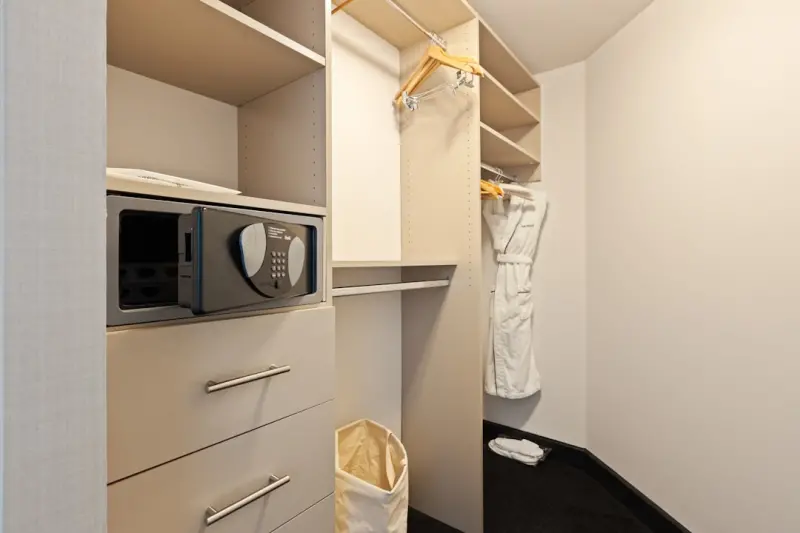
Revolutionizing Closet Storage with Rotating Carousels and Hidden Compartments
A fresh take on closet organization: learn to implement rotating carousels, hidden floor drawers, an... Read More

Adaptive Closets: Turning Static Storage into a Responsive Workspace Hub
Discover a practical, data‑driven approach to redesigning closets and storage zones, focusing on m... Read More

AI‑Powered Closets: Turning Wardrobe Space into a Competitive Asset
AI‑powered closets turn simple storage into a strategic asset by using IoT sensors and predictive ... Read More
Top Posts

Foundation Health: Turning Hidden Risks Into Strategic Assets
A deep dive into proactive foundation repair, from early warning signs to data‑driven monitoring, sustainable materials, and turning maintenance into a compet...Read More

The DIY Homeowner’s Playbook: Mastering Everyday Repairs Without the Stress
A comprehensive guide that teaches homeowners how to adopt a proactive DIY mindset, stock an essential toolkit, and execute quick fixes while knowing when to ca...Read More

Reimagining the Deck: From Static Platform to Adaptive Outdoor Stage
A deck can be more than a simple extension; it can become a responsive, adaptable space that supports everything from quiet coffee moments to vibrant gatherings...Read More
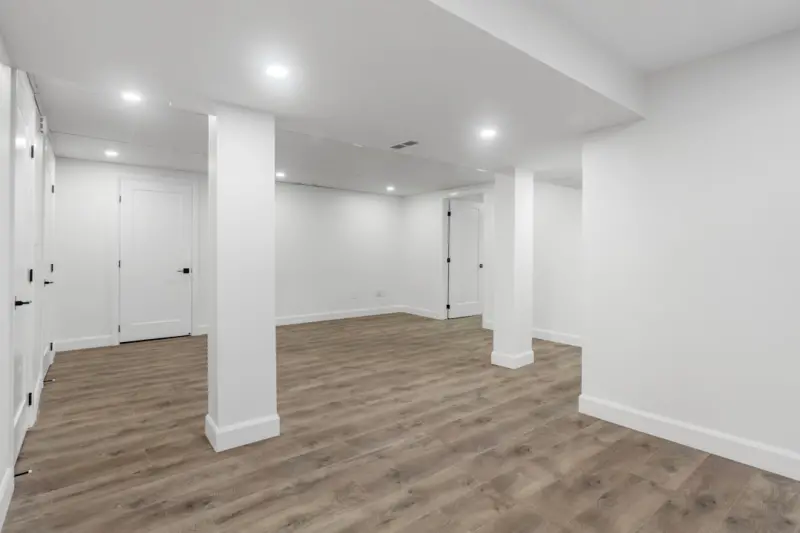
From Dark to Dynamic: Leveraging Basement Renovations for Scalable Business Spaces
Basements are often overlooked, but with modular construction, data‑driven comfort, and strategic design they can become powerful, cost‑effective spaces tha...Read More
0 Comments
Post Comment
You will need to Login or Register to comment on this post!