
Why Adaptive Design Matters
Life is a series of chapters, and the spaces we inhabit should be able to turn the page with us. Adaptive design isn’t just a buzzword; it’s a philosophy that anticipates shifting family sizes, evolving work habits, and the inevitable wear of time, turning a house into a resilient, living organism. By embracing flexibility from the outset, homeowners avoid costly remodels and retain a sense of continuity that nurtures both function and emotional attachment.
The Core Principles of Adaptive Design
Three guiding tenets shape an adaptive design‑build: modularity, multipurpose functionality, and future‑proof infrastructure. Modularity means that walls, floors, and even structural grids can be reconfigured without compromising the building’s integrity, while multipurpose functionality ensures that each square foot serves more than one role—think a guest bedroom that doubles as a home office. Finally, future‑proof infrastructure embeds extra capacity and easy access points for mechanical, electrical, and plumbing systems, so upgrades become a plug‑and‑play exercise rather than a demolition nightmare.
Modular Structural Systems
Choosing a structural system that embraces a grid‑based layout unlocks the ability to add, remove, or relocate rooms with minimal disruption. Engineered timber panels, steel framing with bolted connections, and prefabricated panelized walls all provide the rigidity needed for safety while allowing the building envelope to breathe new configurations as needs shift. When the structural grid is established early, the design‑build team can pre‑plan service cores and load‑bearing points, making future expansions feel like an organic extension rather than an afterthought.
Moveable Partitions and Sliding Walls
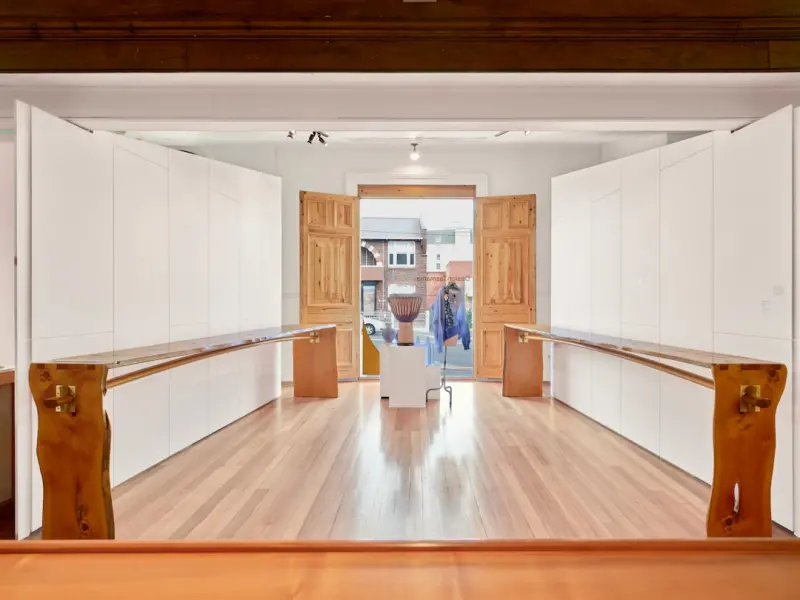
One of the most visually striking ways to embed adaptability is through high‑quality sliding or folding partitions that glide on concealed tracks. Modern glass‑filled polycarbonate panels offer privacy without sacrificing light, while acoustic‑rated core walls keep sound containment in check when spaces are separated. By pairing these systems with recessed floor pockets and ceiling guides, homeowners can re‑define the flow of a living area in seconds—transforming an open‑plan family zone into a quiet study or a semi‑private entertainment lounge whenever the moment calls for it.
Multi‑Purpose Furniture Integration
Furniture is the final, often overlooked, layer of adaptability; pieces that transform, collapse, or serve dual roles multiply the utility of every inch. Think of wall‑mounted Murphy beds that fold into sleek cabinetry, fold‑out desks that reveal hidden storage, or modular sofa sections that reconfigure into a sectional lounge or a chaise lounge for guests. By coordinating these elements with the built‑in partitions and the structural grid, the home becomes a choreography of moveable parts, each ready to answer a new lifestyle demand without sacrificing aesthetics.
Future‑Proofing Mechanical Systems
Even the most flexible floor plan will stumble if the building’s mechanical heart can’t keep pace with change. Installing oversized conduit chases, accessible service panels, and dedicated utility corridors ensures that HVAC, plumbing, and electrical upgrades are simply a matter of swapping out components rather than tearing down walls. Moreover, integrating smart zoning controls that can be re‑programmed for new room configurations lets the home maintain energy efficiency even as the layout evolves.
Integrating Biophilic Elements for Wellness
Adaptability isn’t limited to walls and systems; it also embraces the relationship between occupants and nature. Designing interior courtyards, green walls, and daylight‑maximizing skylights creates a dynamic environment that can be reshaped as the family’s wellness priorities shift. By pairing these biophilic features with modular planters and movable glazing, a homeowner can expand a garden oasis into a home office, or retreat the green wall to a meditation nook, fostering a sense of calm that adapts alongside daily routines.
Case Study: A Home That Grows
Consider the Miller residence, a three‑bedroom bungalow originally conceived with a 12‑foot structural grid and a central service core. Over a decade, the family added a home office, converted a bedroom into a guest suite, and later repurposed that space for a hobby studio. By leveraging modular wall panels, sliding partitions, and a pre‑planned utility corridor, each transformation required only a weekend of work, preserving the home’s character while accommodating new functions without the need for major demolition.
Project Management Tips for Adaptive Builds
Successfully delivering an adaptive design‑build demands a disciplined approach to planning, coordination, and communication. Start by mapping out a long‑term vision with the client, then break it down into phased milestones that align with the modular grid, ensuring each stage adds value without locking the design into a rigid path. Leveraging proven workflows can also streamline project timelines, while employing weather‑proof layering techniques guarantees that each addition meets climate resilience standards from day one.
Conclusion: Embrace Change
In an era where lifestyles shift faster than ever, homes must be as adaptable as the people who live in them. By embedding modular structures, moveable partitions, multifunctional furnishings, and forward‑thinking mechanical systems, a design‑build project transforms from a static shelter into a living platform for growth. The true power of adaptive design lies in its ability to honor the past, serve the present, and welcome the future—all without the disruption of full‑scale renovations.

David MacKinnon is a dynamic freelance writer known for his captivating storytelling and keen insights into the world of technology. With a passion for exploring the intersection of innovation and everyday life, he crafts engaging narratives that not only inform but also inspire his readers.
Related Posts

From Sketch to Structure: How AI‑Driven Workflows Are Redefining Design‑Build
AI is turning the traditional design‑build process into a collaborative, data‑rich ecosystem. Le... Read More

Parametric Design‑Build: Speed, Sustainability, Collaboration
Parametric design injects data‑driven agility into design‑build, letting teams iterate faster, c... Read More

Design‑Build and the Circular Economy: Turning Construction Waste into Value
Discover a practical, step‑by‑step guide to embedding circular‑economy principles into designâ... Read More
Top Posts

How to refinish your Deck to make it look like new again
Revitalize your outdoor living space by following this step-by-step guide to deck maintenance. Learn the professional techniques for cleaning, sanding, and stai...Read More
When Countertops Become Smart: Designing the Interactive Work Surface of Tomorrow
Countertops are evolving from passive slabs to interactive platforms that integrate sensors, wireless charging, and AI-driven feedback, offering a sustainable, ...Read More

Countertop Revolution: Health, Tech, and Longevity
Countertops are evolving from static slabs into health‑centers, smart platforms, and sustainable assets. This post dives into antimicrobial materials, embedde...Read More

Green Snow Removal: Sustainable Strategies for a Cleaner Winter
Learn how to replace toxic salts with greener alternatives, use heat and smart tech, and collaborate with neighbors for a sustainable, hassle‑free winter....Read More
0 Comments
Post Comment
You will need to Login or Register to comment on this post!