
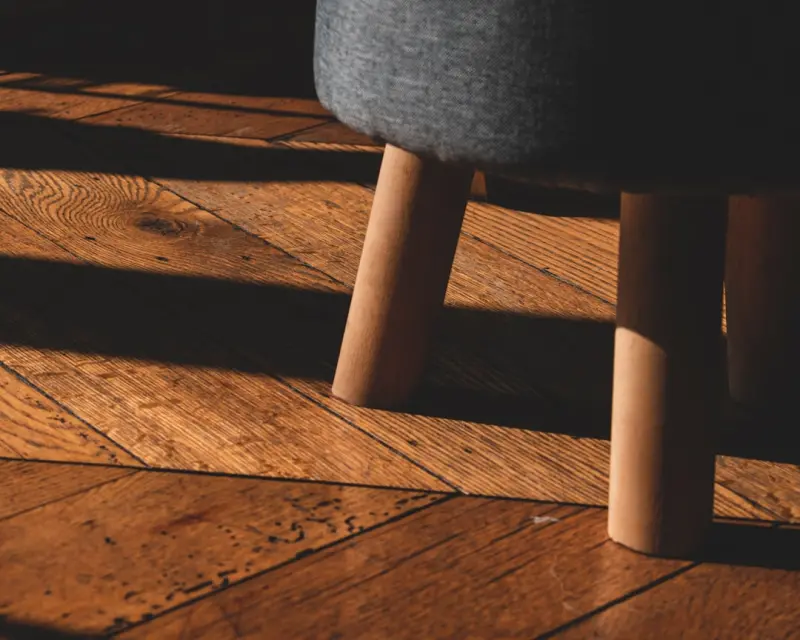
Why I Fell in Love with Mixed‑Material Floors
When I first stepped onto a living room where reclaimed barn wood met polished river stone, I felt a quiet thrill that’s hard to describe. It wasn’t just the visual contrast; it was the way the floor seemed to tell a story of time, place, and intention. Over the past few years I’ve experimented with pairing wide‑plank oak alongside thin‑set marble slivers, and each combination has taught me something new about comfort, durability, and the emotional resonance of a space. I quickly realized that the modern homeowner is craving more than a single‑tone slab—people want floors that act as a backdrop for memories while still being practical for daily life. That curiosity led me down a path of sourcing reclaimed materials, testing under‑floor heating, and even collaborating with acoustic consultants to see how different layers affect sound. The result? A flooring philosophy that embraces texture, sustainability, and the subtle art of layering, turning what could be a mundane surface into a living, breathing part of the home.
Layering for Acoustic Comfort
One of the most surprising benefits of mixed‑material flooring is its impact on a room’s acoustic profile. Traditional hardwood floors can amplify footfall and echo, while stone can feel cavernous in large open‑plan areas. By introducing a thin layer of cork or recycled rubber between the subfloor and the finish, I’ve been able to mute unwanted reverberations and create a softer footstep experience. In a recent project, I paired reclaimed pine with a cork underlayment and installed a narrow border of brushed concrete at the perimeter. The result was a room that sounded as warm as it felt, perfect for family movie nights or a home office where focus is key. If you’re curious about how flooring can double as a sound‑absorbing element, check out the ideas in Tile Trends for inspiration on complementary wall and ceiling treatments that enhance the acoustic harmony.
Balancing Moisture Management and Design
Flooring in high‑traffic or moisture‑prone areas—think kitchens, bathrooms, or basements—has always been a design challenge. Traditionally, we’d choose tile or vinyl for their water‑resistance, but today’s technology lets us blend aesthetics with performance. By sealing reclaimed wood with a penetrating, water‑based finish and pairing it with a waterproofing as a design feature strategy, the floor can stay gorgeous and resilient. In one of my recent kitchen remodels, I installed a herringbone pattern of salvaged oak interspersed with narrow bands of slate. The slate acted as a natural water barrier, while the oak added warmth. I also integrated a vapor‑retarder membrane beneath the entire assembly, ensuring that any accidental spills won’t seep into the subfloor. The outcome was a space that feels upscale without the anxiety of water damage, proving that you don’t have to sacrifice beauty for practicality.
Eco‑Conscious Choices Without Compromise
Today’s consumers are more environmentally aware, and flooring offers a tangible way to make a green impact. Using reclaimed materials reduces the demand for virgin lumber and stone, while also diverting waste from landfills. I’ve partnered with local salvage yards to source timber that once lived in barns, factories, or old homes, giving it a second life under modern roofs. When the reclaimed wood is combined with responsibly quarried stone—such as slate that’s been harvested using low‑impact methods—the floor becomes a showcase of sustainable sourcing. Moreover, I’ve started incorporating recycled glass aggregates into concrete inlays, adding sparkle while keeping the carbon footprint low. Each decision, from the adhesive to the finish, is vetted for low VOC content, ensuring indoor air quality remains high. By weaving these eco‑friendly elements together, you get a floor that not only looks spectacular but also aligns with a responsible lifestyle.
Heat Distribution: Under‑Floor Comfort
Winter mornings can be brutal, especially when the floor feels like ice under bare feet. Integrating radiant heating beneath mixed‑material floors can transform that experience. I’ve found that a hydronic radiant system works best when paired with stone or tile sections, as they conduct heat efficiently, while wood sections benefit from a slower, more even warm‑up. In a recent bedroom renovation, I installed a low‑profile water‑based heating mat beneath a combination of reclaimed walnut and river‑stone pavers. The walnut’s natural insulating properties meant the heat lingered longer, creating a cozy cocoon, while the stone provided an immediate warmth that radiated upward. The key is to ensure the heating system’s temperature is calibrated to protect the wood’s integrity, usually not exceeding 80°F. The result is a floor that welcomes you each morning, eliminating the need for bulky rugs or electric foot warmers.
Design Flexibility: From Flowing Patterns to Defined Zones
One of the most exciting aspects of mixed‑material flooring is the ability to define zones without walls. By varying material, color, and pattern, you can subtly guide traffic flow and highlight functional areas. In a recent open‑plan living space, I used a wide‑plank oak base for the main lounge, then introduced a sleek, polished limestone strip that runs beneath the dining table, creating a visual cue for the eating area. Around the kitchen island, a chevron pattern of reclaimed pine adds movement and energy. This technique not only adds visual interest but also serves practical purposes: the stone strip resists spills, while the wood zones remain soft underfoot. When you think about it, the floor becomes a canvas where you can paint pathways, anchor furniture, and even tell a narrative that evolves with your lifestyle.
Maintenance Made Simple
Many homeowners fear that a complex floor will demand endless upkeep, but with the right finishes and routine, mixed‑material surfaces can be surprisingly low‑maintenance. I recommend using a high‑performance, plant‑based sealant on reclaimed wood, which repels stains while allowing the grain to breathe. For stone sections, a breathable impregnating sealer prevents water penetration without creating a glossy surface that can become slippery. Regular sweeping with a microfiber mop and occasional damp cleaning with a pH‑balanced solution keeps dust and grime at bay. In addition, I suggest rotating area rugs in high‑traffic zones to protect the wood and prolong its life. By establishing a simple cleaning schedule—once a week for sweeping and a deeper clean monthly—you’ll preserve the floor’s beauty for years without spending hours on maintenance.
Storytelling Through Custom Inlays
Perhaps the most personal touch you can add to a mixed‑material floor is a custom inlay that reflects your family’s heritage or passions. I once designed a family room floor where a subtle outline of a pine tree was crafted from contrasting walnut, nestled between sections of slate and reclaimed pine. The tree’s roots extended into the kitchen, symbolizing the connection between family meals and shared stories. These inlays can be as simple as a monogram or as intricate as a map of a favorite hiking trail, rendered in stone, glass, or metal strips. Working with a skilled artisan ensures the inlay aligns perfectly with the surrounding materials, creating a seamless yet distinctive element. The result is more than a decorative feature; it becomes a conversation starter, a daily reminder of what matters most, and a testament to the floor’s role as a living part of your home’s narrative.
Future‑Proofing Your Floors
As we look ahead, the longevity of flooring choices becomes a central concern. Mixed‑material floors offer an inherent adaptability that single‑material installations lack. Should your style evolve, you can replace or re‑finish individual sections without overhauling the entire surface. For instance, swapping out a slate panel for a polished concrete tile can refresh a space while preserving the surrounding reclaimed wood. Additionally, the combination of durable stone and resilient wood means the floor can withstand the wear and tear of evolving household needs—children’s play, pet traffic, or even the occasional remodel. By choosing materials with proven durability, using high‑quality adhesives, and planning for potential future modifications, you set your home up for decades of enjoyment. In essence, a thoughtfully designed mixed‑material floor is not just a trend; it’s an investment that grows with you, staying relevant and beautiful for generations to come.

Kelly Reynolds is a dynamic freelance writer hailing from the picturesque landscapes of Alberta. A master of the written word, she juggles her passion for storytelling with the exhilarating chaos of being a mother to five spirited children. With an impressive portfolio that spans various genres, Kelly captivates readers through her engaging blog posts and thought-provoking articles.
Related Posts
Circular Flooring: The Sustainable Edge Your Workspace Needs
Circular flooring transforms the floor from a passive expense into a strategic asset, offering lower... Read More
Quiet Floors, Loud Impact: How Acoustic Flooring Elevates the Modern Workplace
Acoustic flooring transforms noisy open offices into calm, productive environments. Learn the scienc... Read More
The Evolution of Flooring: How Sustainable Solutions Are Revolutionizing the Industry
The flooring industry is undergoing a significant transformation, with sustainable solutions leading... Read More
Top Posts

Masonry’s Quiet Revolution: Sustainable Strength for Modern Homes
Discover why masonry’s thermal mass, fire resilience, and eco‑friendly sourcing make it the perfect foundation for durable, sustainable homes in today’s c...Read More

The Hidden Dangers of Dirty Ducts: Why You Need to Prioritize Duct Cleaning
Dirty ducts can pose a significant threat to your indoor air quality, energy efficiency, and health. Learn why duct cleaning is crucial for maintaining a health...Read More

Concrete Innovations That Are Reshaping Modern Construction
Explore the latest concrete breakthroughs—from ultra‑high‑performance mixes to 3D printing and self‑healing technology—that are redefining durability,...Read More
The Subscription Kitchen: How Modular Design Is Redefining Home Cooking
Discover how modular, subscription‑style kitchen upgrades are transforming the heart of the home into a flexible, sustainable space that adapts to your evolvi...Read More
0 Comments
Post Comment
You will need to Login or Register to comment on this post!