
The Market Is Shouting for a Green Turn
Walking onto a construction site these days feels like stepping onto a stage where every beam, every nail, and every shade of concrete tells a story about the future we’re all racing to build, and as a general contractor who has spent over a decade juggling blueprints, budgets, and the occasional coffee‑fueled midnight revision, I’ve learned that the narrative is shifting from sheer speed to thoughtful stewardship. Clients now ask me not only how quickly I can raise walls but also how the choices I make will echo in their energy bills, their carbon footprints, and the resale value of the home, prompting a cascade of new questions about insulation performance, low‑VOC finishes, and the lifecycle cost of every material I propose. In response, I’ve begun to weave sustainability into every estimate, treating green considerations not as optional add‑ons but as core line items that protect the client’s investment while also positioning my firm as a forward‑thinking partner in an industry that finally seems ready to balance profit with planet.
Foundations Set the Tone
One of the most overlooked yet impactful stages of any project is the foundation, because a well‑engineered base not only supports the structure but also dictates the long‑term energy performance, moisture resilience, and the ability to integrate renewable technologies down the line. That’s why I made it a point to study the principles outlined in Building a Sustainable Foundation: Strategies Every Contractor Should Know, discovering that recycled aggregate, low‑carbon concrete mixes, and insulated slab designs can shave off both kilowatt‑hours and kilograms of CO₂ while keeping the budget on track, and the data showed a typical 12% reduction in long‑term heating loads. In practice, I now specify a 2‑inch layer of rigid foam beneath the slab and source reclaimed steel rebar whenever possible, a decision that not only earns green certifications but also reassures clients that their investment will stand the test of time without hidden energy penalties.
Design Choices That Pay Off
When the skeletal frame is up, the next wave of decisions revolves around envelope performance, and this is where a contractor’s eye for detail can translate into measurable savings for the homeowner. I spend extra time modeling solar gain, wind exposure, and thermal bridging in the early design phase, because a modest adjustment—such as adding overhangs or selecting a high‑R wall cavity—can slash cooling loads by up to 15% before the first brick is even laid. Moreover, I coordinate with architects to prioritize passive house principles, ensuring that airtightness, ventilation heat recovery, and daylight harvesting become built‑in features rather than afterthoughts that inflate retrofit costs down the road.
Roofing That Looks Good and Does Good
The roof is more than a protective cap; it’s a platform for energy generation, water management, and long‑term durability, so I treat it as a strategic asset rather than a mere covering. By opting for cool‑roof membranes with high solar reflectance, integrating standing‑seam metal panels that accommodate solar tiles, and designing roof pitches that facilitate rainwater harvesting, I help homeowners cut peak‑day electricity use while extending the roof’s service life beyond the industry average. These choices also dovetail with local incentive programs, turning what might seem like a premium expense into a net‑positive investment that boosts curb appeal and reduces operating costs.
Hands‑On Hacks for a Greener Build
Even the smallest fix can ripple into big environmental wins, and my crew has compiled a toolbox of practical, planet‑friendly shortcuts that keep projects on schedule and budgets lean. For instance, we repurpose excess insulation scraps as acoustic panels in interior partitions, use biodegradable sealants in bathroom tiling, and employ reclaimed hardwood for interior framing whenever the grain matches the design intent. These tactics not only divert waste from landfills but also showcase to clients how thoughtful material stewardship can coexist with high‑quality craftsmanship, a point I explore further in Handyman Hacks: Sustainable Fixes That Save Money and the Planet, where I detail dozens of low‑cost, high‑impact adjustments that any contractor can implement on the fly.
Maintenance Plans That Preserve Value
Building green is only half the battle; maintaining that greenness over a building’s lifespan is what truly protects the owner’s investment and the planet’s resources. I now offer a comprehensive post‑construction service package that includes regular inspections of weatherstripping, low‑flow fixture performance checks, and predictive maintenance of HVAC filters, all guided by the principles outlined in Sustainable Property Maintenance: Green Strategies That Save Money and Preserve Your Home. By catching inefficiencies before they balloon into costly repairs, homeowners see a steady reduction in utility bills while the home retains its market appeal, reinforcing the idea that sustainability is a long‑term financial strategy, not a short‑term trend.
Future‑Proofing Through Smart Systems
As technology advances, the line between construction and digital optimization blurs, and I’m increasingly integrating smart controls that fine‑tune heating, cooling, and lighting based on real‑time occupancy and weather data. While these systems require an upfront investment, the payoff appears quickly in the form of reduced energy consumption, automated fault detection, and a data‑driven approach to future upgrades, ensuring that the home remains adaptable to emerging standards without a major overhaul. This forward‑thinking mindset aligns with the growing client expectation that their home should not only be beautiful and sturdy but also capable of evolving alongside the sustainability innovations that will dominate the next decade.
Putting It All Together: Your Green Build Checklist
In the end, the most compelling reason to go green as a general contractor is simple: a well‑designed, sustainably built home delivers higher resale value, lower operating costs, and a healthier living environment for its occupants, all while contributing to the broader fight against climate change. My advice to anyone embarking on a new build is to start the conversation early, demand transparent material sourcing, insist on energy‑performance modeling, and partner with a contractor who treats sustainability as a core competency rather than a marketing tagline. When every stakeholder—from architect to tradesperson—embraces that mindset, the result is a home that stands the test of time, protects the planet, and pays dividends to its owners for decades to come.

Paul Gray is a dynamic blogger based in Brampton, where he shares his life with his amazing wife, Sarah. Known for his engaging writing style and relatable insights, Paul has carved out a niche in the blogging world that resonates with readers from all walks of life. When he's not crafting captivating posts, you can find him savoring a cold beer or indulging in the latest blockbuster movie. With a friendly demeanor and a passion for storytelling, Paul brings a unique perspective to his work, making him not just a blogger, but a voice for those who appreciate the simple joys of life.
Related Posts

The Evolution of General Contracting: How Sustainable Solutions Are Revolutionizing the Industry
The general contracting industry is undergoing a significant transformation, driven by growing conce... Read More
From Blueprint to Finish Line: How Contractors Can Streamline Project Timelines
Discover a contractor’s insider tactics for mastering project schedules, cutting downtime, and del... Read More
Real‑Time Supply‑Chain Dashboards: The Missing Link for General Contractors
General contractors can transform project uncertainty into confidence by adopting a real‑time supp... Read More
Top Posts
Elevating Business Interiors with High‑Performance Drywall
Modern drywall goes beyond a simple partition, offering acoustic mastery, sustainability, fire safety, and built‑in data pathways that turn walls into strateg...Read More
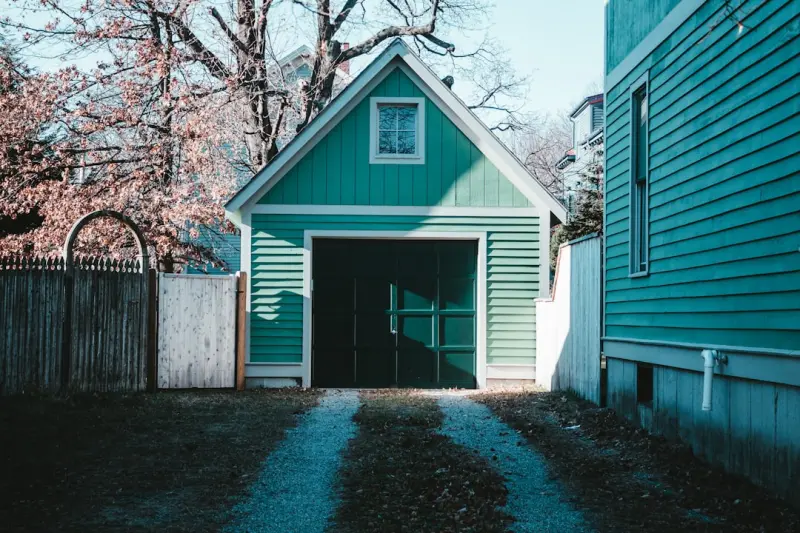
Reimagining the Garage: From Car Shelter to Home Power Hub
Discover practical steps to upgrade your garage into a versatile space that supports electric‑vehicle charging, home office work, and a resilient workshop, al...Read More

Eco‑First Carpet Care: Turning Floor Coverings into Sustainable Assets
An in‑depth guide shows how green technologies like dry‑foam extraction and enzyme cleaners, combined with AI scheduling, can turn carpet maintenance into a...Read More

Tile Trends: Sustainable, Smart, and Stylish Solutions for Modern Homes
Discover how sustainable materials, smart technology, and clever patterns make tile the ultimate design tool for durability, style, and long‑term home value....Read More
0 Comments
Post Comment
You will need to Login or Register to comment on this post!