

Commercial Renovations: The New Frontier for Smart Business Growth
When I first stepped onto a downtown loft that was crying out for a makeover, I realized that commercial renovation isn’t just about fresh paint and new fixtures—it’s a strategic investment that can redefine a brand’s market position. Over the past two decades, I’ve watched warehouses transform into buzzing cowork‑spaces and old retail strips become vibrant mixed‑use hubs, each project telling a story of reclaimed value and renewed purpose. The key takeaway for any business owner is that a well‑planned renovation can slash operating costs, boost employee morale, and most importantly, attract a clientele that values both aesthetics and sustainability.
Aligning Sustainability with Bottom‑Line Results
In my experience, the most successful commercial remodels are those that marry green building practices with clear financial incentives. By choosing low‑VOC paints, recycled metal framing, and energy‑efficient HVAC systems, owners can slash utility bills by up to 30% while also earning LEED credits that enhance corporate reputation. I’ve personally overseen projects where solar canopies not only powered lighting but also generated excess energy sold back to the grid, creating an additional revenue stream. Smart sustainability isn’t a cost center; it’s a profit lever that modern consumers and investors alike demand.
Designing for Flexibility and Future‑Proofing
One lesson I’ve learned on the job site is that commercial spaces must be adaptable to rapid market shifts—whether that means converting a showroom into a fulfillment center or reconfiguring a floor plan for hybrid work models. Open‑plan layouts, modular wall systems, and raised flooring for easy tech upgrades give businesses the agility they need to stay ahead. When I consulted on a regional office renovation, we installed movable glass partitions that allowed the client to scale work zones up or down within weeks, saving them the expense of a future remodel.
Choosing the Right Materials: Durability Meets Eco‑Consciousness
Materials selection is where the rubber meets the road; the wrong choice can lead to costly maintenance headaches. I always recommend reclaimed hardwood for high‑traffic areas because it offers the visual warmth of new wood while reducing deforestation impact. For flooring in industrial zones, polished concrete with a low‑slip sealant provides durability and reflects light, cutting lighting costs. When clients ask about carpet, I point them to our Sustainable Carpet Cleaning Playbook to understand how proper maintenance extends lifespan and keeps indoor air quality high.
Integrating Technology for Energy Efficiency
Automation isn’t a luxury—it’s a necessity for modern commercial spaces. Smart lighting controls that adjust brightness based on occupancy, IoT‑enabled thermostats, and building management systems that analyze energy consumption in real time have become standard in my projects. A recent retrofit of a boutique hotel saw a 25% reduction in energy use after installing motion‑sensing LED fixtures and a cloud‑based HVAC dashboard. By leveraging these technologies, owners not only reduce expenses but also collect valuable data to inform future upgrades.
Health‑First Interiors: Air Quality and Wellness
Post‑pandemic, indoor air quality has vaulted to the top of renovation checklists. I always incorporate high‑efficiency particulate air (HEPA) filtration and ensure proper duct sealing; our Sustainable Contractors’ Guide to Duct Cleaning outlines why this matters for both health and system efficiency. Additionally, using low‑emission finishes and moisture‑resistant wall panels prevents mold growth—a concern I’ve tackled countless times, as detailed in my Mold Removal Mastery article. A healthy building translates to happier employees and fewer sick days, which directly impacts productivity.
Financial Planning: From Budget to ROI
Every renovation project starts with a budget, but the real question is how to maximize return on that investment. I advise clients to allocate a portion of the budget toward energy‑saving upgrades, as the payback period often falls within three to five years. Leveraging tax credits for renewable energy installations and historic preservation incentives can further improve the financial picture. It’s also wise to phase renovations, tackling high‑impact areas first, which allows businesses to remain operational while spreading costs over time.
Partnering with the Right Contractor
Choosing a contractor who understands both construction excellence and sustainability is a game‑changer. Over the years, I’ve built a network of specialists who specialize in green building practices, from eco‑friendly fencing solutions—see my Sustainable Fencing piece—to advanced waterproofing systems that protect assets long term. A contractor who can navigate permits, source recycled materials, and manage a tight schedule will keep your project on track and within budget, ensuring the vision you’ve imagined becomes a reality.
Looking Ahead: The Future of Commercial Renovations
The commercial renovation landscape is evolving fast, driven by climate imperatives and an increasingly savvy consumer base. As I continue to lead projects, I see a clear trend: spaces that are adaptable, energy‑positive, and health‑focused will dominate the market. Embracing these principles today not only future‑proofs your property but also positions your brand as a leader in responsible business practices. The bottom line? A thoughtful renovation is an investment that pays dividends in sustainability, profitability, and community goodwill.

Paul Gray is a dynamic blogger based in Brampton, where he shares his life with his amazing wife, Sarah. Known for his engaging writing style and relatable insights, Paul has carved out a niche in the blogging world that resonates with readers from all walks of life. When he's not crafting captivating posts, you can find him savoring a cold beer or indulging in the latest blockbuster movie. With a friendly demeanor and a passion for storytelling, Paul brings a unique perspective to his work, making him not just a blogger, but a voice for those who appreciate the simple joys of life.
Related Posts
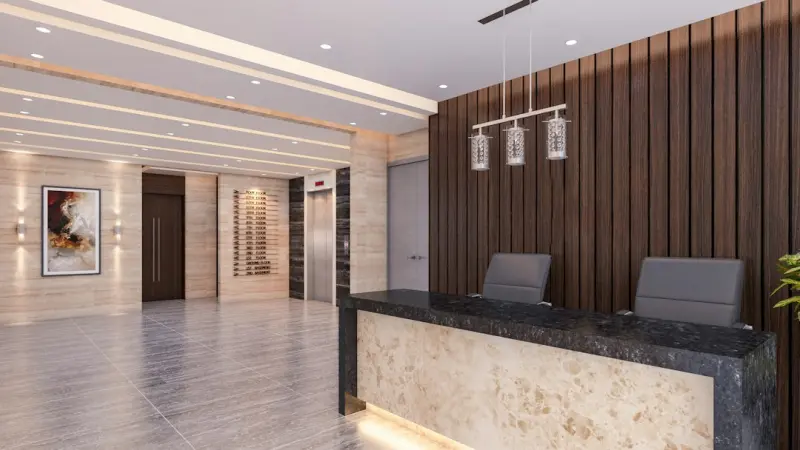
Reimagining Commercial Spaces: From Stale Offices to Agile Innovation Hubs
Discover how a data‑driven, modular approach turns outdated commercial spaces into agile innovatio... Read More
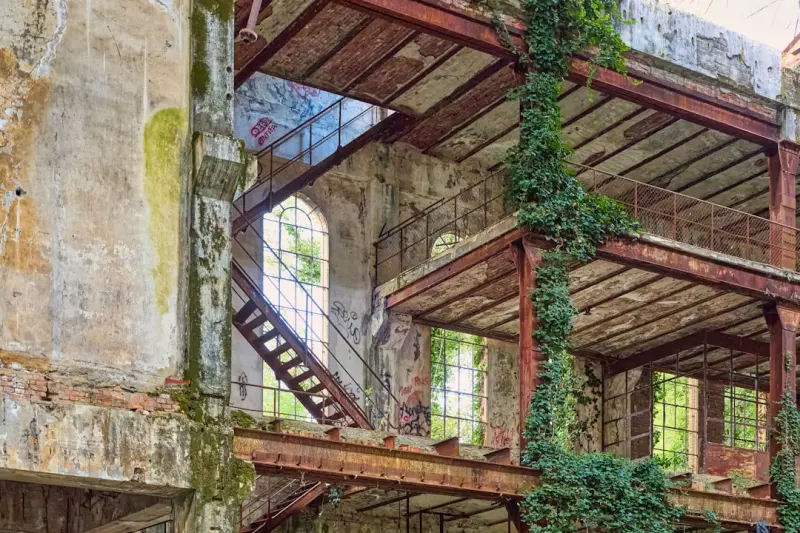
Revitalizing Old Buildings: How Adaptive Reuse Transforms Commercial Spaces
Explore the financial, design, and tech benefits of adaptive reuse in commercial renovations, and le... Read More
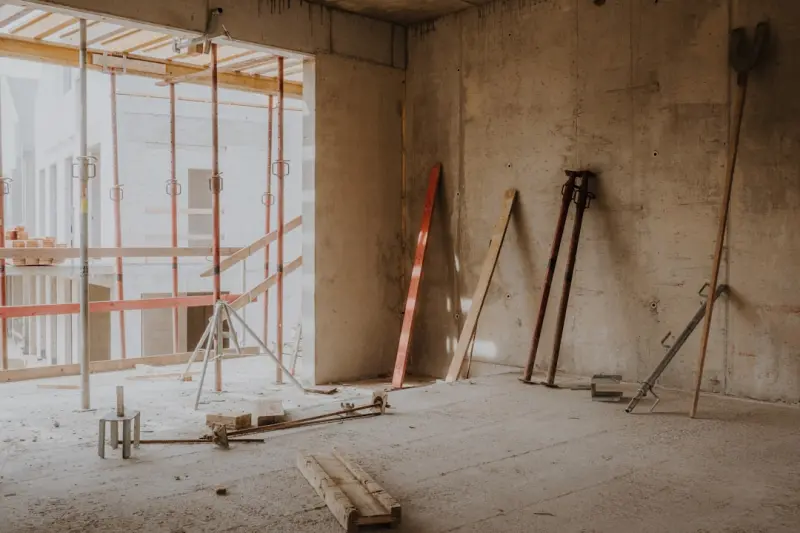
Reimagining Commercial Renovations: A People‑First Blueprint
Learn why modern office remodels must focus on employee wellness, flexibility, and sustainability to... Read More
Top Posts

Insulation Insights: Turning Your Home’s Skin Into a Smart, Sustainable Shield
Explore a fresh take on insulation that balances eco‑friendly materials, smart home integration, and adaptive design to create a healthier, more resilient liv...Read More

Smart Wallpaper: Sustainable Patterns & Personalization
Wallpaper is evolving from a decorative afterthought into a strategic, tech‑enabled surface that offers personalization, sustainability, and data integration ...Read More
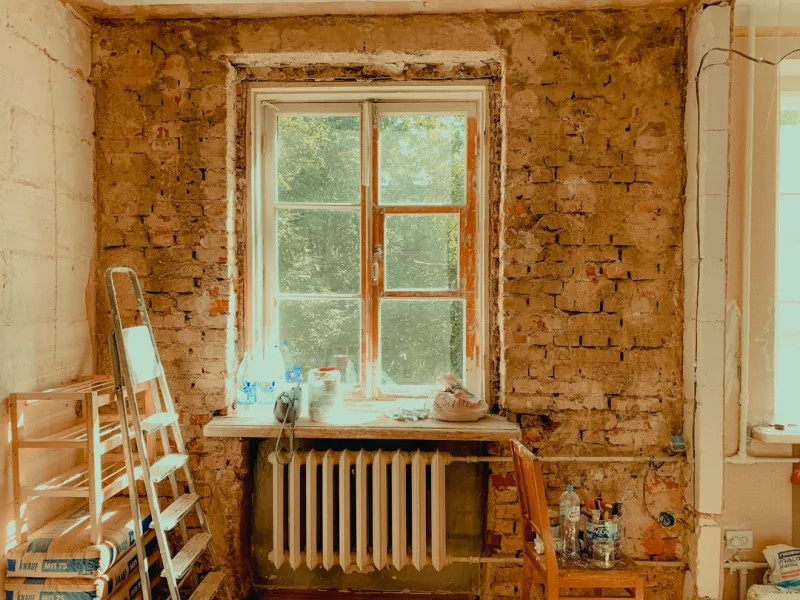
Sustainable Home Renovations: A Comprehensive Guide
Sustainable home renovations reduce environmental impact, improve indoor air quality, and save money on energy costs. Learn how to create an eco-friendly home w...Read More

Sustainable Woodworking: How to Make Your Home Additions Eco-Friendly
Learn how to make your home additions eco-friendly with sustainable woodworking practices that reduce waste and promote a healthier planet....Read More
0 Comments
Post Comment
You will need to Login or Register to comment on this post!