
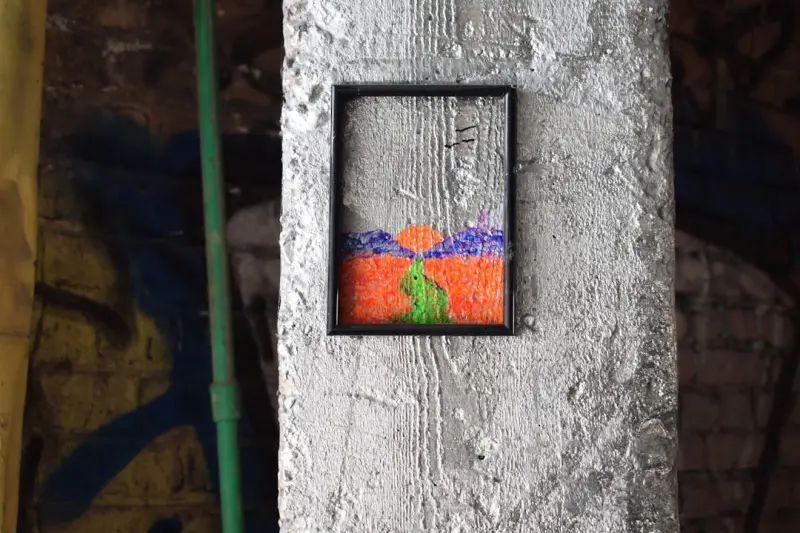
Rethinking Concrete: From Brutalism to a Personal Canvas
When most people hear the word concrete, they picture gray slabs that dominate a construction site, but I’ve learned to see it as a versatile medium waiting for a creative spark. Growing up tinkering in my grandparents’ workshop, I watched concrete transform from a functional foundation into an expressive surface through simple tweaks—color, texture, and form that reflect a homeowner’s personality. Over the years, I’ve experimented with everything from backyard fire pits to indoor tabletops, discovering that the key to unlocking concrete’s artistic potential lies in mastering the fundamentals before letting imagination run wild. This mindset shift has turned ordinary projects into conversation‑starter pieces that blend durability with design flair.
Mixing the Right Base: Tailoring Concrete for Artistic Applications
The first step toward a stunning concrete masterpiece is customizing the mix to suit the intended finish, and that begins with selecting the appropriate cement, aggregates, and admixtures. By reducing the water‑to‑cement ratio and incorporating polymer modifiers, the resulting slurry gains a smoother flow and less shrinkage—essential qualities when you plan to embed pigments or create intricate molds. Adding lightweight aggregates such as expanded glass or recycled plastic not only lightens the final piece but also enhances sustainability, turning what could be a heavy slab into a manageable work of art. Understanding these mix design principles empowers you to achieve a surface that accepts stains, dyes, and sealers without cracking or peeling over time.
Color Play: Staining, Dying, and Pigment Integration
Once the base mix is set, the real fun begins with introducing color, and the options range from subtle earth tones to vibrant hues that pop against the natural gray. Acid‑based stains react chemically with the cement matrix, creating a variegated, marble‑like appearance that deepens as the concrete cures, while water‑based dyes offer uniform saturation for bold, contemporary looks. For those seeking a truly bespoke palette, powdered pigments can be blended directly into the wet mix, ensuring the color permeates the entire depth rather than just the surface. Remember to test a small sample before committing to a large area, as the final shade can shift during curing—an exciting yet predictable part of the creative process.
Texture Tactics: Stamping, Engraving, and Formwork Innovations
Texture is the tactile counterpart to color, and modern stamping techniques allow you to replicate everything from cobblestone streets to natural wood grain with surprising accuracy. By using reusable rubber stamps pressed into the fresh concrete, you can imprint intricate patterns that catch the eye and hide minor imperfections, while hand‑carved engraving adds a handcrafted feel that resonates with the growing demand for authenticity. The choice of formwork material also plays a crucial role; silicone molds capture fine details for decorative tiles, whereas rough‑sawn plywood yields a rustic, industrial vibe that pairs well with exposed‑brick interiors. Combining multiple textures within a single slab creates visual intrigue, turning a plain concrete floor into a layered narrative of design.
Indoor Transformations: From Countertops to Sculptural Features
Concrete is no longer confined to exterior applications; its sleek, seamless surface makes it an excellent candidate for indoor elements that demand both strength and style. A well‑finished concrete countertop can rival quartz or granite in durability while offering a custom shape that fits any kitchen layout, especially when paired with integrated sinks or built‑in cutting boards. Beyond workspaces, concrete fire pits, planters, and even acoustic panels add functional art to living rooms, providing thermal mass that regulates temperature and a visual anchor that grounds the room’s aesthetic. By sealing the surface with a penetrating urethane, you protect the piece from stains and moisture while preserving its natural depth—a small step that yields long‑term beauty.
Sustainable Edge: Recycled Aggregates and Low‑Carbon Mixes
One of the most rewarding aspects of working with concrete is the opportunity to reduce environmental impact through thoughtful material choices, and incorporating recycled aggregates is a straightforward way to achieve that. Crushed concrete from demolition sites, glass cullet, and even reclaimed brick can replace up to 30% of traditional gravel without compromising strength, turning waste into a valuable resource that lowers the carbon footprint of your project. Pairing these aggregates with supplementary cementitious materials such as fly ash or slag further reduces the reliance on Portland cement, the industry’s largest source of CO₂ emissions. By documenting the mix ratios and sourcing locally, you not only create a greener product but also add a compelling story to the finished piece that resonates with eco‑conscious homeowners.
Thermal Benefits: Leveraging Concrete’s Mass for Energy Efficiency
Beyond aesthetics, concrete’s high thermal mass makes it a silent partner in a home’s energy strategy, absorbing heat during the day and releasing it slowly when temperatures drop—a principle that aligns perfectly with passive solar design. Installing a concrete slab floor beneath radiant heating systems enhances heat distribution, while a thick concrete wall can act as a thermal buffer that stabilizes indoor temperatures without additional HVAC load. When combined with a thoughtful layout that maximizes sunlight exposure, these mass properties can reduce heating bills and improve comfort, turning a decorative element into a functional component of a sustainable home ecosystem. The result is a space that feels naturally warm in winter and comfortably cool in summer, all thanks to the humble concrete slab.
Finishing Touches and the Bigger Picture
After the concrete has cured, the final steps involve polishing, sealing, and maintaining the surface to preserve both its look and longevity. A progressive polishing system—from coarse to ultra‑fine diamond pads—can achieve a glossy sheen that rivals natural stone, while a high‑performance sealant guards against stains, UV fading, and moisture intrusion. Routine cleaning with a pH‑neutral cleanser keeps the surface pristine, and periodic resealing every few years ensures the protective barrier remains intact. For those planning larger projects, integrating concrete work within a broader Design‑Build Synergy framework streamlines coordination between architects, engineers, and craftsmen, delivering cohesive outcomes on time and budget. Pairing artistic concrete with thoughtful Sustainable Paving solutions extends the visual language outdoors, creating a seamless transition from indoor elegance to exterior functionality. Embracing concrete as a creative canvas not only elevates your home’s aesthetic but also contributes to a resilient, sustainable living environment.

Lifan Chen is a freelancer based in Toronto specializing in marketing. With expertise in crafting effective marketing strategies and campaigns, Lifan helps businesses grow their brand presence and reach target audiences. As a Toronto-based freelancer, Lifan combines local market insights with creative marketing skills to deliver tailored solutions for clients.
Related Posts
Concrete Reimagined: From Cold Slab to Creative Canvas
Explore fresh ways to transform concrete from a functional slab into a creative canvas, using color,... Read More
Concrete’s Quiet Revolution: How Modern Mixes, Modular Pods, and Smart Sensors Are Changing Homebuilding
Explore the transformative power of modern concrete—from ultra‑strong mixes and modular construc... Read More
Concrete’s Second Act: Green, Resilient, and Ready for Tomorrow
Concrete is undergoing a quiet revolution—low‑carbon cements, recycled aggregates, 3D printing, ... Read More
Top Posts

Sustainable Home Restoration: Turning Old Spaces into Green Havens
Learn to revitalize your home responsibly: assess structure, choose green materials, integrate smart tech, and create lasting value while protecting the planet....Read More

Sunroom Strategies for the Modern Hybrid Workplace
A deep dive into using sunrooms as flexible, health‑focused work zones that enhance productivity and align with sustainable building practices....Read More
Cultivating Resilient Urban Forests: A Tree Care Blueprint for Sustainable Property Management
A deep dive into why trees are essential to sustainable property management, covering placement, health monitoring, species selection, financial incentives, and...Read More
Acoustic Wellness: Redesigning Commercial Spaces for Sound Comfort
A deep dive into how strategic acoustic upgrades during commercial renovations boost productivity, employee wellbeing, and brand perception while integrating sm...Read More
0 Comments
Post Comment
You will need to Login or Register to comment on this post!