
Why Countertop Choices Matter More Than You Think
When I first stood in a showroom, the sheer presence of a countertop whispered stories of family breakfasts, late‑night project plans, and the inevitable spills that mark a lived‑in kitchen; it wasn’t just a slab of stone or laminate, it was the silent partner in my daily rituals. Choosing the right surface therefore became less about aesthetics and more about forecasting the rhythm of my household for the next decade, from toddler‑smeared crayons to the polished gleam of a home‑based business setup. I realized that the material I selected would either amplify the joy of cooking or become a constant source of frustration when cleaning, and that realization sparked the deep dive that led me here.
The science behind countertops is surprisingly nuanced: quartz blends engineered durability with non‑porous resistance, while natural stone offers a unique veining pattern that changes with age, and reclaimed wood adds warmth but demands vigilant sealing. Each option carries a distinct performance profile—some excel under high heat, others resist scratches, and a few even possess antimicrobial properties that align with growing health‑conscious trends. By weighing these technical attributes against my personal tolerance for upkeep, I was able to shortlist materials that would truly serve my lifestyle rather than force me into a compromise.
Beyond durability, the tactile experience of a countertop can subtly influence how we interact with our space; a cool marble slab invites a pause while chopping, whereas a warm, matte concrete surface encourages a more grounded, tactile connection to food prep. This sensory feedback, often overlooked, plays into the broader narrative of kitchen ergonomics and can even affect the pace at which meals are assembled. In my kitchen, the gentle coolness of quartz has become a cue for mindful cooking, turning a routine task into a moment of intentional presence.
Future‑Proofing Your Countertops: Strategies That Stay Fresh
One of the smartest moves I made was aligning my countertop choice with a long‑term resale strategy, treating the surface as a high‑impact upgrade rather than a fleeting trend. By opting for a universally appealing material like quartz, I ensured that potential buyers would instantly recognize the premium feel without needing extensive explanations, thereby shortening market time and boosting perceived value. This approach mirrors the principles outlined in Design‑Build Synergy: Unlocking Faster, Cleaner Projects, where strategic material selection streamlines both construction and future transactions.
Maintenance expectations often become the hidden cost that catches homeowners off guard; a surface that promises low upkeep on paper can quickly turn into a time‑sucking chore if not properly understood. I mapped out a realistic cleaning schedule, factoring in the types of cleaners each material tolerates, and discovered that a simple daily wipe with a pH‑balanced solution preserved the luster of my quartz for years. For those considering natural stone, sealing becomes a ritual, and I found that integrating that routine into my weekly chores prevented the dreaded etching that can tarnish even the most beautiful slab.
Sustainability is no longer a buzzword but a decisive factor for many, and I wanted my countertop to reflect that ethos without compromising on style. By selecting a recycled‑content quartz that incorporates reclaimed glass, I reduced the embodied carbon of my kitchen while still enjoying a vibrant, speckled pattern that mimics more expensive exotic stones. This choice also resonated with the eco‑friendly narrative in DIY Home Repairs: Turning Everyday Problems Into Skill‑Building Wins, where repurposing materials becomes a cornerstone of responsible design.
Anticipating future technology integrations—such as built‑in induction cooktops or smart sensors—required a countertop that could accommodate cutouts and mounting without compromising structural integrity. I opted for a thinner quartz profile with a reinforced edge, allowing seamless integration of a sleek induction strip while preserving the continuous visual flow of the slab. This forward‑thinking approach meant I could upgrade appliances without the need for costly countertop replacements, effectively future‑proofing my kitchen for emerging culinary tech.
Lighting plays a subtle yet powerful role in how countertops are perceived throughout the day; a surface that gleams under natural light can appear flat under artificial illumination if not chosen wisely. I selected a quartz with a subtle sparkle that catches morning sunrays, creating a warm glow that transitions gracefully to the cooler tones of evening LED fixtures. This dynamic interaction not only enhances visual interest but also reduces the need for additional decorative accents, keeping the overall design cohesive and uncluttered.
When budgeting, I learned that the initial price tag tells only half the story; installation complexity, edge profile, and transport logistics can add hidden expenses that quickly inflate the total cost. By opting for a straight‑edge profile rather than an ornate bullnose, I reduced labor time and material waste, resulting in a 12% cost saving without sacrificing the sleek aesthetic I desired. This pragmatic decision underscores the importance of evaluating the full lifecycle cost rather than focusing solely on headline numbers.
Resilience against accidental impacts is another factor I prioritized, especially with a busy household that includes enthusiastic pets. I chose a quartz with a higher compressive strength rating, which not only resists cracking from dropped pans but also maintains its polish despite frequent contact with metal utensils. This durability translates to fewer refinishing cycles, preserving the countertop’s pristine appearance for years and reinforcing its role as a long‑term investment.
Finally, personalizing a countertop doesn’t have to mean compromising on universality; subtle inlays of reclaimed wood or brushed metal accents can inject character while keeping the overall look timeless. I incorporated a narrow strip of reclaimed walnut along the backsplash, creating a visual bridge between the countertop and cabinetry that tells a story of sustainability and craftsmanship. This nuanced detail adds depth without overwhelming the space, proving that thoughtful customization can coexist with broad market appeal.

Kelly Reynolds is a dynamic freelance writer hailing from the picturesque landscapes of Alberta. A master of the written word, she juggles her passion for storytelling with the exhilarating chaos of being a mother to five spirited children. With an impressive portfolio that spans various genres, Kelly captivates readers through her engaging blog posts and thought-provoking articles.
Related Posts
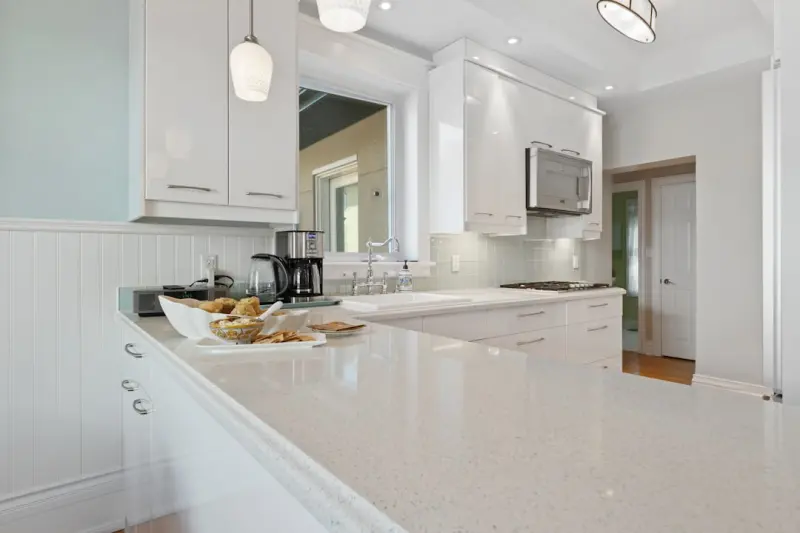
Countertop Revolution: AI, Sustainability, and the Future of Workspaces
Modern countertops are evolving from static slabs into intelligent platforms that blend AI‑optimiz... Read More
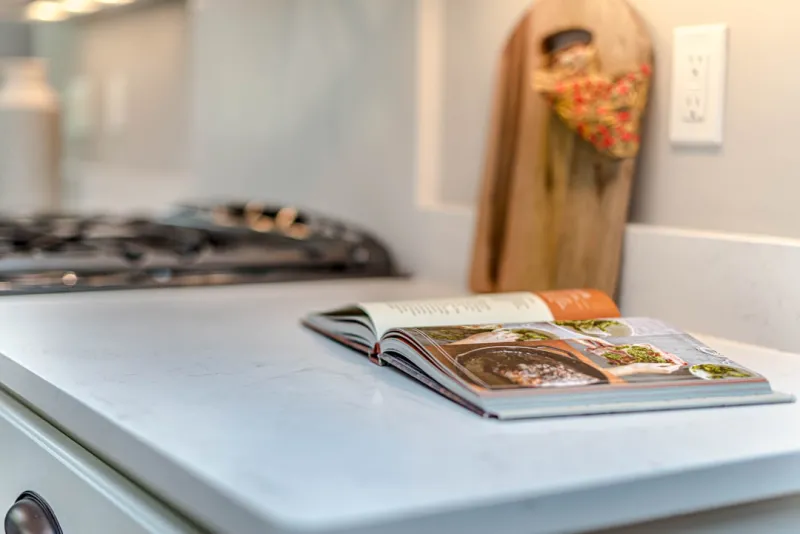
Choosing the Perfect Countertop for a Sustainable, Smart Kitchen
Explore the best sustainable countertop materials, from quartz to reclaimed wood, and learn how smar... Read More
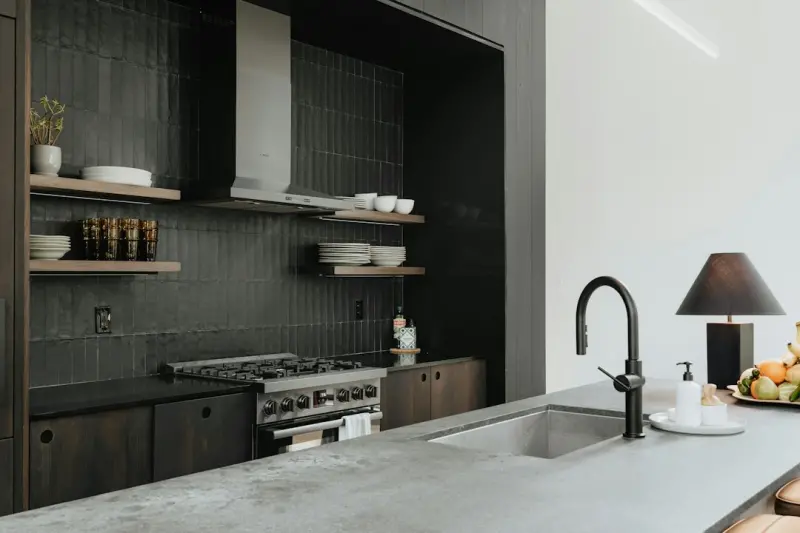
The Rise of Intelligent Countertops: Where Function Meets Future
Countertops are evolving beyond static surfaces into data‑rich, health‑centric, and eco‑friend... Read More
Top Posts

Unlocking Hidden Savings: Real‑Time Energy Inspection for Modern Renovations
Explore the power of real‑time energy inspection, learn why one‑time audits fall short, and see how smart sensors, AI analytics, and integrated upgrades can...Read More

The Importance of Home Inspections in Sustainable Home Restoration
Home inspections play a critical role in sustainable home restoration. By identifying potential issues early on, homeowners can avoid costly repairs, ensure tha...Read More
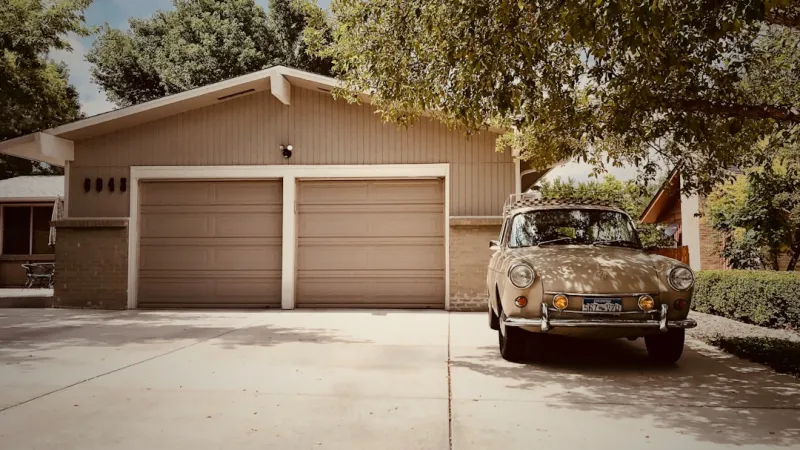
Transforming a Simple Garage into a Sustainable Multi‑Purpose Haven
A hands‑on guide to turning a basic garage into a sustainable, multi‑purpose haven, featuring eco‑friendly materials, smart technology, and design strateg...Read More

Sustainable General Contracting: Building Value with Purpose
Explore the evolving world of general contracting, where sustainable materials, design‑build collaboration, and cutting‑edge tech combine to create resilien...Read More
0 Comments
Post Comment
You will need to Login or Register to comment on this post!