
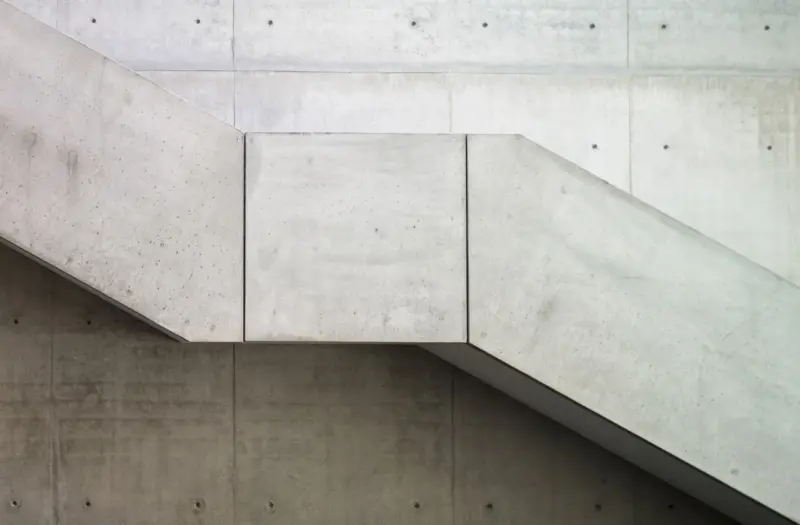
Why Concrete Deserves a Spot on Your Design Wishlist
Concrete has quietly become the unsung hero of modern architecture, offering a blend of strength, versatility, and aesthetic potential that few other materials can match. While most homeowners picture it as cold, gray slabs beneath their foundations, today’s concrete can be tinted, stamped, polished, and even engineered to breathe, turning a structural necessity into a design statement that complements both minimalist lofts and rustic farmhouses alike. This transformation is not accidental; it is the result of decades of research, material‑science breakthroughs, and a growing cultural desire to see beauty in function. As I walk through neighborhoods where driveways double as decorative art pieces and sidewalks glow with subtle color, I’m reminded that concrete is no longer just a background player—it is a canvas for homeowners willing to explore its hidden possibilities. My own garage floor, once a plain slab, now shines under a high‑gloss polish that reflects daylight and serves as a showcase for my workshop tools, proving that a little extra effort can elevate a mundane surface into a point of pride.
From Roman Roads to Modern Mixes: A Brief History
The story of concrete begins thousands of years ago, when ancient builders combined volcanic ash with lime to create a material that could set underwater, giving rise to the legendary Roman aqueducts and the Pantheon’s dome. Fast forward to the twentieth century, and the invention of Portland cement revolutionized construction, making concrete the backbone of skyscrapers, bridges, and suburban homes. Yet the material’s evolution didn’t stop there; today’s engineers are tweaking the chemistry to reduce carbon emissions, incorporate recycled aggregates, and even embed sensors that monitor structural health. This lineage of continual improvement underscores a simple truth: concrete’s durability is matched only by its capacity for innovation. By understanding where the material has come from, we can better appreciate the possibilities it offers us now, from ultra‑thin decorative panels to high‑performance, low‑impact foundations that respect both budget and the planet.
Eco‑Friendly Concrete: Building Smarter, Not Harder
One of the most exciting developments in the concrete world is the rise of sustainable mixes that cut the carbon footprint without sacrificing performance. Supplementary cementitious materials such as fly ash, slag, and silica fume replace a portion of traditional Portland cement, consuming less energy during production and diverting industrial waste from landfills. In addition, novel binders like geopolymers and calcium‑sulfoaluminate cement offer comparable strength while releasing up to 70 % less CO₂. Homeowners can also opt for locally sourced aggregates, reducing transportation emissions and supporting regional economies. When you choose a low‑carbon concrete mix, you’re not only investing in a longer‑lasting slab; you’re actively participating in a global effort to lower the construction sector’s greenhouse‑gas output. Pair this with design choices that incorporate permeable pavers or green roofs, and your concrete project becomes a cornerstone of a healthier, more resilient built environment.
Design Possibilities: From Stamped Patterns to Polished Perfection
Concrete’s reputation for being plain is quickly fading thanks to an ever‑expanding palette of decorative techniques. Below are some of my favorite ways to turn a simple slab into a focal point:
- Stamped concrete: Imprints of brick, slate, or even wood grain give the illusion of more expensive materials at a fraction of the cost.
- Integral color: Pigments added to the mix provide uniform hue throughout, eliminating surface‑fade issues.
- Polished concrete: Progressive grinding and sealing reveal a high‑gloss finish that reflects light and enhances indoor ambience.
- Exposed aggregate: Washing away the cement paste reveals decorative stone textures that add tactile interest.
Each method can be combined with lighting tricks, such as uplighting along a patio’s edge, to further dramatize the surface. The result is a tailor‑made aesthetic that can echo the surrounding landscape, reinforce a brand’s visual identity, or simply satisfy a homeowner’s craving for something uniquely their own.
DIY Concrete Projects: A Hands‑On Guide for the Confident Homeowner
If you’ve ever hesitated to tackle a concrete task because you assumed it required a crew of specialists, think again. With the right preparation, tools, and a little patience, you can pour a flawless slab, build a retaining wall, or resurface an old patio all on your own. Start by calculating the exact volume of concrete you need, then choose a mix that matches your project’s structural and aesthetic goals. Remember to dampen the sub‑base before pouring to prevent premature drying, and use a straightedge to level the surface while it’s still workable. For a step‑by‑step walkthrough, my handyman hacks guide offers practical tips on mixing ratios, reinforcement placement, and finishing techniques that will save you both time and money. Safety is paramount, so wear gloves, eye protection, and a dust mask, and never rush the curing process; concrete continues to gain strength for weeks after it sets.
Concrete in Landscape Design: Patios, Pathways, and Permeable Solutions
When it comes to outdoor spaces, concrete provides a sturdy yet adaptable foundation that can be molded to suit any garden style. A well‑designed concrete patio can serve as an outdoor living room, complete with integrated seating niches and built‑in fire pits that invite evening gatherings. For pathways, consider using permeable concrete pavers that allow rainwater to infiltrate the ground, reducing runoff and supporting healthier soil ecosystems. Retaining walls built from concrete blocks not only prevent erosion but also create tiered planting beds that add visual depth. Below are three landscape applications that showcase concrete’s versatility:
- Raised garden beds framed with textured concrete for a clean, modern look.
- Stepped water features that combine smooth concrete pours with cascading waterfalls.
- Outdoor kitchens featuring concrete countertops that resist heat and stains.
By treating concrete as a design element rather than a mere utility, you can elevate the functionality of your yard while maintaining a cohesive aesthetic that ties the indoor and outdoor spaces together.
Recycling and Reusing: Giving Old Concrete a Second Life
Every demolition site generates a mountain of concrete waste, yet that material holds untapped value when processed correctly. Crushed concrete can be blended with fresh mix to create a recycled‑aggregate concrete that retains comparable compressive strength while dramatically lowering the demand for virgin gravel. In my own workshop, I’ve repurposed broken slab pieces as paver bases, saving both money and landfill space. The process starts with a crusher that reduces the material to uniform-sized chunks, followed by a screening stage that separates fines from usable aggregate. For those interested in a deeper dive into surface preparation techniques that parallel plaster work, the plasterer’s playbook offers insight into achieving a flawless finish on recycled concrete surfaces.
Maintenance Matters: Keeping Your Concrete Looking Fresh for Decades
Concrete may be durable, but it still benefits from regular care to maintain its appearance and structural integrity. Sealing the surface with a breathable, UV‑resistant sealer protects against stains, moisture penetration, and surface wear, especially in high‑traffic areas. For outdoor installations, an annual pressure‑wash combined with a mild, pH‑balanced cleaner can remove grime without etching the concrete. Minor cracks should be addressed promptly using a flexible epoxy filler that moves with the slab as it expands and contracts. Additionally, consider applying a thin coat of concrete resurfacer every few years to restore lost gloss and fill micro‑imperfections. By establishing a simple maintenance schedule—clean, seal, inspect—you’ll extend the life of your investment and keep the space looking as striking as the day it was poured.
Looking Ahead: 3D‑Printed Concrete and Smart Materials
The future of concrete is already taking shape in laboratories and construction sites worldwide. 3D‑printed concrete allows architects to fabricate complex geometries—such as organic curves and lattice structures—that were previously impossible with traditional formwork, opening new avenues for artistic expression and material efficiency. Meanwhile, “smart” concrete infused with nano‑sensors can monitor moisture levels, temperature fluctuations, and even structural strain, transmitting data in real time to a homeowner’s smartphone. These innovations promise not only to reduce waste and labor costs but also to provide unprecedented insight into a building’s health over its lifespan. As the industry continues to blend sustainability with technology, the humble slab may soon become an interactive element of the home, capable of responding to environmental changes and user preferences alike. Embracing these advances now puts you at the forefront of a construction revolution that balances durability, beauty, and responsibility.

Paul Gray is a dynamic blogger based in Brampton, where he shares his life with his amazing wife, Sarah. Known for his engaging writing style and relatable insights, Paul has carved out a niche in the blogging world that resonates with readers from all walks of life. When he's not crafting captivating posts, you can find him savoring a cold beer or indulging in the latest blockbuster movie. With a friendly demeanor and a passion for storytelling, Paul brings a unique perspective to his work, making him not just a blogger, but a voice for those who appreciate the simple joys of life.
Related Posts
Concrete Reinvented: Turning Grey Slabs into Green Assets
Concrete is shedding its reputation as a static, carbon‑heavy material. This article examines cutt... Read More
Self‑Healing Concrete: Turning Cracks into Data‑Driven Opportunities
Self‑healing concrete offers autonomous crack repair, cost savings, and sustainability benefits. L... Read More
Carbon‑Negative Concrete: Buildings as Climate Heroes
Concrete is evolving from a gray, static material into a climate ally. This post dives into carbonâ€... Read More
Top Posts

Cultivating a High‑Impact Lawn: Science, Tech, and Business Benefits
A modern lawn is more than just grass—it’s a data‑rich, eco‑friendly platform that boosts property value, employee morale, and client engagement through...Read More
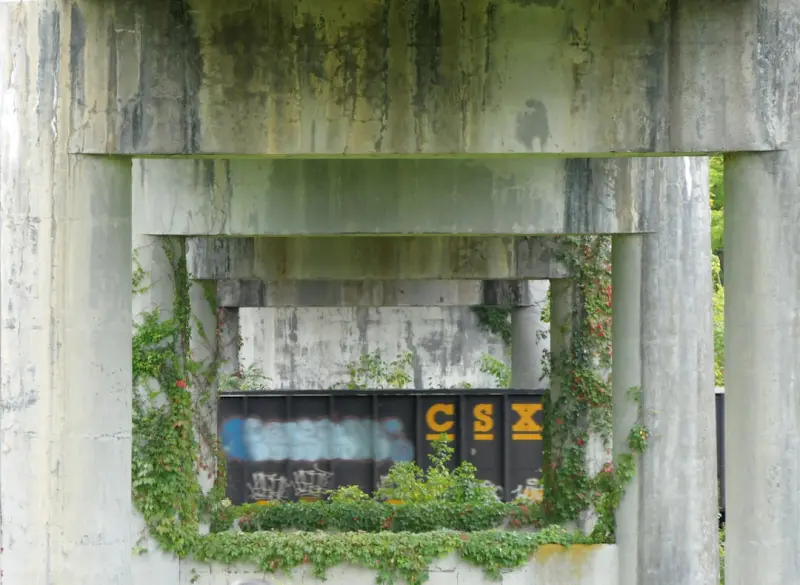
Carbon‑Negative Concrete: How the Industry Is Rewriting Its Green Playbook
Concrete is undergoing a climate makeover. By swapping traditional cement for low‑carbon binders, capturing CO₂ during curing, and using waste aggregates, b...Read More
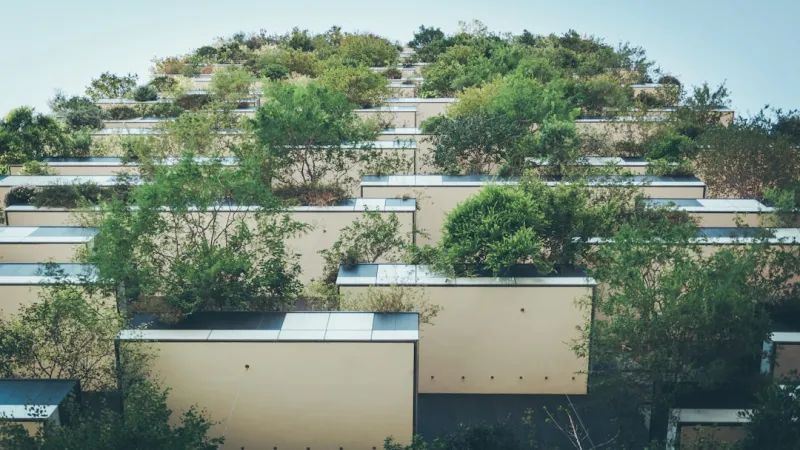
The Future of Home Design: How Sustainable Practices Are Revolutionizing the Industry
The future of home design is all about embracing sustainable practices that benefit both homeowners and the environment. Learn more about the latest trends and ...Read More
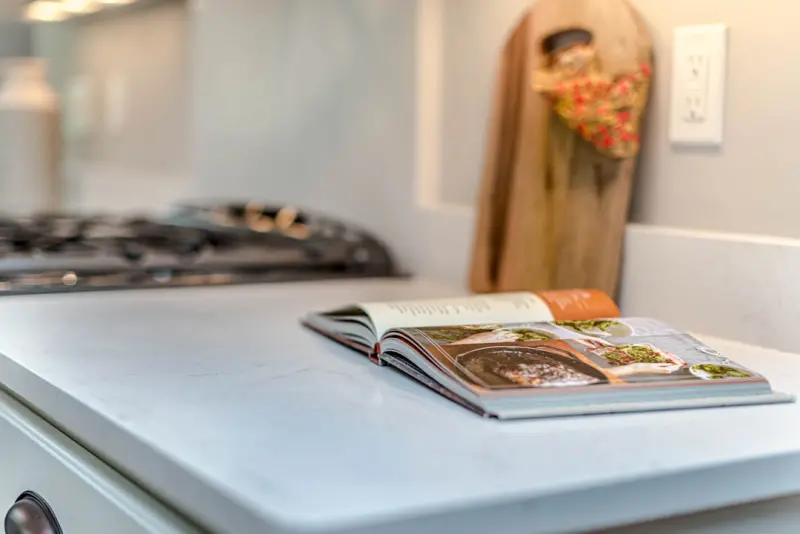
Choosing Countertops That Blend Sustainability, Style, and Smart Functionality
Explore how recycled‑stone composites, smart surfaces, and multi‑functional designs can transform your kitchen into a sustainable, stylish, and technologica...Read More
0 Comments
Post Comment
You will need to Login or Register to comment on this post!