
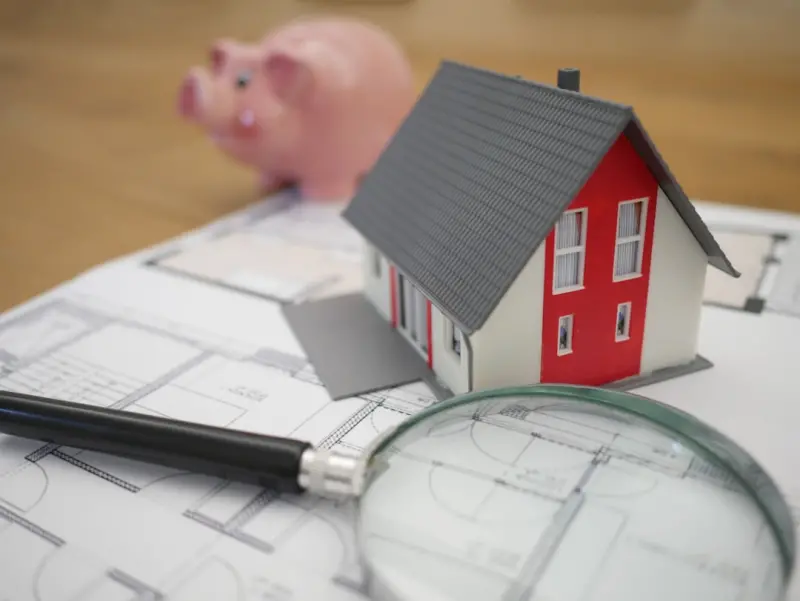
Why Your Home Inspection Should Be the First Chapter of a Long‑Term Maintenance Story
When I first stepped onto a client’s property with a clipboard in hand, I expected to be ticking boxes, noting squeaky floorboards, and pointing out a few leaky faucets. What I didn’t anticipate was the avalanche of curiosity that followed each finding. Homeowners—whether first‑time buyers, seasoned investors, or families looking to age in place—often view the inspection report as a “deal breaker” or a “nice‑to‑have” document. In my experience, the report is a treasure map. It shows you where the hidden treasure (or trouble) lies, and, more importantly, it tells you how to protect and grow that value over the years.
The Myth of the One‑Time Check
Many people treat a home inspection like a one‑off test: you get it done before you close the deal, then you forget about it. This mindset is short‑sighted for three reasons.
- Homes evolve. A roof that looks flawless today can develop micro‑cracks after a harsh winter. A well‑insulated attic can become a moisture‑prone space if ventilation changes.
- Maintenance is cumulative. Small issues—like a clogged dryer vent or a slightly misaligned door—can compound, leading to costly repairs down the road.
- Financial impact extends beyond repairs. A well‑maintained home enjoys lower insurance premiums, higher resale value, and better energy performance.
Seeing the inspection as a living document rather than a static snapshot changes the entire conversation with your homeowner.
From Findings to Action: Building a Proactive Maintenance Calendar
Here’s the process I follow with clients to turn raw inspection data into a practical, year‑by‑year plan.
1. Categorize Findings by Impact and Urgency
Instead of a long, intimidating list, I sort each observation into three buckets:
- Critical (needs immediate attention) – e.g., compromised structural beams, active water intrusion, or electrical hazards.
- Important (address within 6‑12 months) – e.g., aging HVAC ducts, minor roof shingles missing, or exterior paint deterioration.
- Routine (monitor and maintain) – e.g., cleaning gutters, lubricating door hinges, or checking caulking around windows.
This hierarchy prevents homeowners from feeling overwhelmed and gives them a clear roadmap.
2. Translate Technical Jargon into Everyday Language
Homeowners aren’t electricians or structural engineers, and they don’t need to be. I replace terms like “capillary action” with “water climbing up walls” and “thermal bridging” with “cold spots that raise heating bills.” The goal is to empower, not intimidate.
3. Align Maintenance Tasks with Seasonal Cycles
Most home systems have natural rhythms. For example, the best time to inspect the roof is after winter’s freeze‑thaw cycle, while the ideal window for checking HVAC efficiency is early spring. I map each task to a season, turning the calendar into a habit rather than a to‑do list.
4. Leverage Technology Without Overcomplicating
There’s a temptation to flood homeowners with apps, sensors, and dashboards. While technology can be useful, I recommend a simple shared spreadsheet or a cloud‑based task manager. The key is consistency, not complexity.
5. Review and Adjust Annually
At the 12‑month mark, we sit down (often virtually) to review completed tasks, note any new issues, and adjust the upcoming year’s plan. This “inspection check‑in” creates accountability and keeps the maintenance rhythm alive.
Case Study: Turning a “Minor” Roof Issue into a Longevity Strategy
One of my recent clients, a young couple buying their first home, received a report noting a few cracked shingles on the south-facing slope. The couple was ready to chalk it up as a minor expense. Instead, we used the finding as a catalyst for a broader roof health program.
- Immediate Action: Replace the compromised shingles and seal any exposed underlayment.
- Mid‑Term Plan: Schedule a professional infrared thermal scan to detect hidden moisture pockets before the next rainy season.
- Long‑Term Vision: Add a protective roof coating that extends the membrane’s life by up to five years.
By treating the initial finding as the first step in a strategic roadmap, the couple avoided a potential leak that could have caused interior damage and costly mold remediation later on.
Integrating Inspection Insights with Other Home Systems
While the inspection itself is a standalone event, its findings can feed into other smart‑home or energy‑efficiency initiatives you may already be considering. For example, if the inspection reveals inadequate attic ventilation, that insight directly supports any future energy inspection you might conduct. Likewise, discovering foundation settlement can inform the approach you take when reading up on foundation repair best practices, ensuring you choose solutions that align with the building’s overall health.
Why Rental Property Owners Should Prioritize a Comprehensive Inspection
Investors often focus on cash flow, overlooking the long‑term asset preservation that a thorough inspection can provide. Here’s why a diligent inspection matters for rental portfolios:
- Tenant Satisfaction: A well‑maintained property reduces complaints, turnover, and vacancy periods.
- Insurance Benefits: Some insurers offer lower premiums when you can demonstrate a documented maintenance schedule backed by inspection data.
- Regulatory Compliance: Certain jurisdictions require periodic safety checks—having an inspection baseline makes compliance easier.
By embedding inspection findings into a property management system, owners can schedule repairs proactively, keep tenants happy, and protect the asset’s residual value.
Common Misconceptions About Home Inspection Findings
Understanding what the report actually means can save you from costly missteps. Below are three myths I hear often.
Myth #1: “If the inspector didn’t mention it, it’s fine.”
Inspectors work under time constraints and focus on visible, accessible components. Hidden issues—like wiring inside walls or subsurface moisture—might require specialized testing. If something feels off, don’t hesitate to get a second opinion.
Myth #2: “All repairs must be done immediately.”
Not every observation demands instant action. Prioritization (critical, important, routine) helps allocate budget wisely and prevents unnecessary panic.
Myth #3: “I can skip the annual follow‑up if I’m diligent.”
Even the most meticulous homeowner can miss gradual wear. An annual walkthrough, even a quick visual check, catches emerging problems before they balloon.
Tools of the Trade: When to Call in Specialists
While many maintenance tasks are DIY‑friendly, certain findings call for licensed professionals:
- Structural Concerns: Anything involving load‑bearing walls, foundation cracks, or sagging floors should be evaluated by a structural engineer.
- Electrical Hazards: Faulty wiring, outdated panels, or any work involving the main service must be handled by a certified electrician.
- Plumbing Issues: Persistent leaks, sewer line problems, or water pressure anomalies benefit from a licensed plumber’s expertise.
Enlisting the right specialist not only ensures safety but also often yields a more detailed assessment that can be fed back into your maintenance schedule.
Building a Culture of Care: Engaging the Whole Household
Maintenance shouldn’t be the sole responsibility of the homeowner. Involving family members or housemates creates a shared sense of stewardship.
- Assign Simple Tasks: Younger kids can check for water stains on ceilings, while a partner can remember to change furnace filters.
- Use Visual Reminders: Sticky notes on the refrigerator or a shared digital calendar keep tasks top‑of‑mind.
- Celebrate Milestones: Marking a year of successful roof maintenance with a small celebration reinforces the habit.
This collaborative approach reduces the mental load on any single person and promotes long‑term resilience.
Future‑Proofing Your Home Through Inspection Insights
As building technologies evolve, the baseline data from a thorough inspection becomes a valuable reference point. Consider these forward‑looking scenarios:
- Adding Solar Panels: Knowing the exact condition of your roof, its orientation, and shading patterns helps engineers design a system that maximizes output without compromising structural integrity.
- Smart‑Home Integration: Understanding where insulation is lacking informs where to place thermostats, motion sensors, or air quality monitors for optimal performance.
- Climate Adaptation: If your inspection reveals susceptibility to flooding or wind damage, you can prioritize upgrades—like impact‑resistant windows or raised foundations—before extreme weather strikes.
In short, the inspection becomes a foundational data set for any future upgrades or retrofits.
Wrapping Up: Your Inspection as a Launchpad, Not a Verdict
When I hand a client the final report, I don’t just point out what’s wrong. I hand them a roadmap, a set of priorities, and a philosophy: home ownership is an ongoing partnership with the building itself. Treat the inspection as the first chapter of that partnership, and you’ll not only safeguard your investment—you’ll enhance the comfort, safety, and value of the space you call home for years to come.

When it comes to the world of blogging and writing, Rose DesRochers is a name that stands out. Her passion for creating quality content and connecting with her audience has made her a trusted voice in the industry. Aside from her skills as a writer and blogger, Rose is also known for her compassionate nature.
Related Posts

Why Modern Home Inspections Are Becoming Strategic Advisory Services
Home inspections have shifted from simple checklists to strategic consultations. This post explains ... Read More

Seeing Beyond the Surface: How Thermal Imaging Transforms Home Inspections
Thermal imaging lets inspectors see hidden leaks, insulation gaps, and electrical hotspots, turning ... Read More

The Importance of Home Inspections in Sustainable Home Restoration
Home inspections play a critical role in sustainable home restoration. By identifying potential issu... Read More
Top Posts

Solar-Backed Data Center Resilience: Powering SaaS with Clean Energy
A deep dive into how SaaS companies can turn solar installations into a strategic advantage, enhancing uptime, cutting costs, and strengthening ESG credentials ...Read More

Beyond Cracks: Harnessing Smart Tech for Foundation Longevity
Explore how real‑time monitoring, data‑driven predictions, and low‑carbon repair materials are reshaping foundation repair from reactive fixes to proactiv...Read More

The Hidden Comfort: How Radiant Floor Heating Redefines Modern Living
I’ve swapped out chilly tiles for warm, whisper‑quiet floors and never looked back. Here’s how radiant heating can transform comfort, cut bills, and boost...Read More

Reimagining Home Offices: Biophilic Design Meets Adaptive Furniture
Discover how to blend natural elements with flexible furniture to build a home office that boosts productivity, reduces stress, and adapts to evolving work habi...Read More
0 Comments
Post Comment
You will need to Login or Register to comment on this post!