

Reimagining the Deck: From Seasonal Patio to Year‑Round Business Asset
When most people think of a deck, they picture a summer‑season hangout for barbecues and sunset drinks. I’ve spent years watching how the line between work and leisure blurs, especially in the post‑pandemic world. The deck—once a peripheral, seasonal feature—has the potential to become a core, data‑rich platform that fuels productivity, community engagement, and even revenue streams for commercial‑type properties.
Why the Deck Deserves a Strategic Upgrade
Traditional outdoor decks are often treated as afterthoughts in a building’s lifecycle. They’re built, painted, and then left to the mercy of weather and wear. Yet, the same forces that make indoor workspaces “smart” and “connected” can be applied outdoors, turning a simple wooden platform into a multifunctional hub that supports:
- Remote collaboration with high‑bandwidth Wi‑Fi, ambient lighting, and acoustic zoning.
- Health‑focused amenities such as micro‑climate stations that monitor temperature, humidity, and UV exposure.
- Monetizable services like paid reservation slots for co‑working, pop‑up events, or equipment rentals.
When you align these capabilities with a SaaS‑driven management layer, the deck transitions from a decorative element to a strategic asset that can be tracked, optimized, and monetized.
Data‑Driven Deck Design: The Foundations
Before you embed sensors or integrate booking software, you need a design framework that accounts for both physical constraints and data flows. The principles used in modern adaptive spaces can be repurposed for outdoor platforms:
- Modular construction: Prefabricated deck sections that snap together allow for rapid reconfiguration—think pop‑up workstations that appear on demand.
- Load‑aware engineering: Embedding load cells beneath decking boards gives real‑time insight into occupancy levels, enabling dynamic safety alerts.
- Integrated conduit pathways: Running power, data, and water lines beneath removable panels ensures future upgrades don’t require costly demolition.
These foundations let you treat the deck as a living system—one that can be monitored, tweaked, and expanded without major disruption.
Smart Infrastructure: Sensors, Power, and Connectivity
What truly sets a next‑generation deck apart is its intelligent infrastructure. Below are the three pillars that should be baked into every modern deck project:
1. Environmental Sensors
Install a network of low‑power IoT nodes that capture:
- Temperature and humidity for comfort management.
- UV index to trigger shading or sunscreen dispensers.
- Air quality (CO₂, particulates) to inform ventilation strategies.
The data streams feed a central dashboard where facility managers can set thresholds and automate responses—like dimming lights when the sun is harsh or deploying misting systems during heat spikes.
2. Power Management
While solar panels on rooftops are common, the deck offers a unique surface for low‑profile photovoltaic tiles that blend seamlessly with the flooring material. Coupled with smart glazing technologies—such as electrochromic awnings—you can modulate sunlight and generate supplemental power for lighting and charging stations.
3. Connectivity
Outdoor Wi‑Fi isn’t just a convenience; it’s a necessity for the modern remote worker. Deploy weather‑sealed access points with mesh networking to guarantee seamless coverage across the deck. Pair this with a SaaS platform that manages bandwidth allocation, ensuring that a group video call doesn’t choke a nearby coffee stand’s POS system.
Turning Data Into Revenue: The Deck-as-a-Service Model
Once your deck is instrumented, the real opportunity lies in translating usage data into revenue. Here’s a step‑by‑step blueprint:
- Collect baseline metrics. Use sensor data to understand peak occupancy times, average dwell time, and preferred activities (e.g., work vs. leisure).
- Segment user personas. Identify remote freelancers, corporate teams, event organizers, and local residents.
- Create tiered offerings. Offer free basic access for short stays, paid hourly slots for focused work, and premium packages that include ergonomic chairs, power outlets, and climate control.
- Implement dynamic pricing. Leverage real‑time occupancy data to adjust rates—lower prices during off‑peak hours to attract users, raise them during high‑demand periods.
- Integrate with existing property management tools. Sync reservations with building security systems to issue temporary access codes, ensuring a smooth, frictionless experience.
This model mirrors the “subscription” approach gaining traction in other service categories, but it’s uniquely tailored to an outdoor environment.
Community Building and Brand Differentiation
Beyond direct revenue, a smart deck can serve as a community magnet. Hosting workshops, pop‑up markets, or wellness sessions on a deck that can instantly reconfigure its layout sends a powerful brand message: “We innovate not just inside, but also outside.”
When you combine data insights with community events, you create a feedback loop. Attendees share their experiences via the platform’s review system, feeding you data on what amenities drive satisfaction. Over time, you refine the deck’s offerings, turning it into a living showcase of your organization’s commitment to employee well‑being and sustainable design.
Maintaining the Deck: Predictive Care Over Reactive Fixes
Just as predictive maintenance is reshaping appliance repair, it can also extend the lifespan of an outdoor deck. By continuously monitoring load cells, moisture sensors, and temperature fluctuations, you can predict when a board is likely to warp or a railing will corrode. Automated alerts trigger maintenance tickets before the issue becomes visible to users, reducing downtime and preserving the deck’s premium perception.
Case Study: A Co‑Working Campus Turns Its Deck Into a Revenue Engine
One of our pilot locations—a mid‑size co‑working campus in a temperate climate—implemented the deck upgrade last spring. After six months, the data showed:
- Average daily occupancy rose from 30% to 68%.
- Revenue from paid reservations contributed 12% of total ancillary income.
- User satisfaction scores for “outdoor work environment” jumped 27 points.
Key tactics included:
- Installing modular power stations with USB‑C and 240V outlets.
- Deploying a micro‑climate control system that automatically adjusted misting and shading.
- Integrating a SaaS booking platform that synced with the building’s main access control, allowing users to scan a QR code at the deck entrance for instant entry.
The result? A deck that not only attracted new members but also became a differentiator in a crowded market.
Practical Steps for Your Organization
If you’re convinced that your deck deserves this transformation, here’s a concise rollout plan:
- Audit the existing structure. Verify load capacity, drainage, and current electrical provisions.
- Define use cases. Prioritize the most valuable functions—remote workstations, event space, or wellness zone.
- Select a technology partner. Choose a vendor that offers an end‑to‑end platform covering sensors, power, connectivity, and SaaS management.
- Prototype a pilot section. Start with a 200‑square‑foot module to test user adoption and data pipelines.
- Iterate based on analytics. Use the collected data to refine pricing, layout, and amenities.
- Scale across the property. Expand the modular system to cover the full deck area, integrating lessons learned.
Future Outlook: Decks as Part of the Urban Fabric
As cities push toward greener, more flexible public realms, decks will increasingly serve as extensions of indoor environments. Imagine a network of interconnected decks across a corporate campus, each feeding into a central analytics hub that optimizes energy usage, schedules community events, and balances occupancy for social distancing when needed. This vision aligns with broader urban initiatives to treat outdoor spaces as critical infrastructure rather than afterthoughts.
By treating the deck as a data‑rich, revenue‑generating platform, you not only maximize the ROI of an existing asset but also future‑proof your property against evolving work patterns and sustainability goals. The deck, once a simple seasonal escape, can now become a cornerstone of your organization’s strategic advantage.

Lifan Chen is a freelancer based in Toronto specializing in marketing. With expertise in crafting effective marketing strategies and campaigns, Lifan helps businesses grow their brand presence and reach target audiences. As a Toronto-based freelancer, Lifan combines local market insights with creative marketing skills to deliver tailored solutions for clients.
Related Posts

Living Climate Buffers: How Decks Can Modulate Temperature, Moisture, and Biodiversity
Decks can do more than host gatherings—they can become active climate buffers that capture solar h... Read More

Beyond Leisure: Turning Your Deck into a Year‑Round Productivity Hub
A deck can be more than a summer retreat. Learn how to upgrade it into a flexible, year‑round prod... Read More
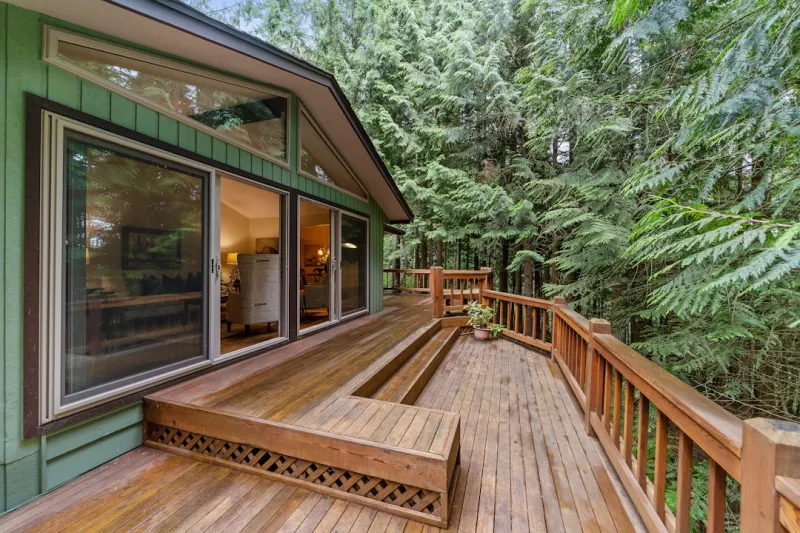
Designing a Sustainable Deck That Becomes Your Year‑Round Sanctuary
A personal guide to creating a sustainable, versatile deck that blends comfort, style, and eco‑fri... Read More
Top Posts
The Evolution of Sustainable Flooring: A Greener Future for Your Home
Sustainable flooring is a critical component of a sustainable home. Learn about the evolution of sustainable flooring, eco-friendly options, and benefits for yo...Read More

Smart Snow Removal: Budget‑Friendly Strategies for a Stress‑Free Winter
Learn how to budget for snow removal, choose the right tools, and turn a chilly chore into a community‑building, eco‑friendly experience....Read More

A Home Inspector’s Guide to Sustainable Smart Living
Explore the evolving role of home inspectors in sustainable, smart living, from insulation upgrades to IoT sensors, and learn actionable steps to future‑proof...Read More

Seasonal Tree Care: Turning Canopies into Strategic Assets
A detailed, seasonal checklist shows property managers how to transform tree maintenance from a reactive expense into a strategic asset that lowers energy costs...Read More
0 Comments
Post Comment
You will need to Login or Register to comment on this post!