
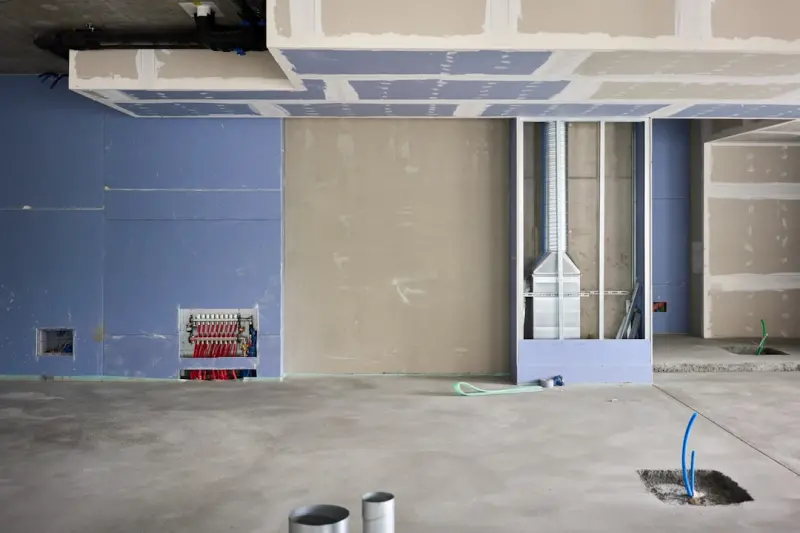
Bringing the Outdoors In: A Blueprint for Biophilic Commercial Renovations
When a company decides to refresh its physical footprint, the conversation often centers on cost, schedule, and aesthetics. Yet an emerging design philosophy is reshaping the way enterprises think about space: biophilic design. By intentionally weaving natural elements—light, vegetation, organic textures—into the fabric of a building, owners can cultivate environments that boost morale, sharpen focus, and even improve the bottom line. This article explores how to embed nature‑inspired principles into commercial renovations without sacrificing operational continuity.
The Core Tenets of Biophilic Design
Biophilia, the innate human affinity for the natural world, translates into five actionable categories for commercial spaces:
- Direct Connection: Incorporating real plants, water features, or natural ventilation.
- Indirect Connection: Using natural materials (wood, stone), colors, and patterns that echo the outdoors.
- Space & Place: Designing layouts that mimic the rhythms of natural environments, such as varied ceiling heights that suggest open canopies.
- Human‑Centric Sensory Cues: Introducing ambient sounds, scents, or tactile surfaces that evoke nature.
- Dynamic Light: Leveraging daylight cycles to regulate circadian rhythms.
Each category can be addressed at different budget levels, allowing renovation teams to prioritize high‑impact interventions first.
Strategic Advantages for Enterprises
Beyond the “feel‑good” factor, biophilic upgrades deliver measurable outcomes:
- Employee Well‑Being: Studies link natural exposure to reduced stress and lower absenteeism.
- Productivity Gains: Environments rich in daylight and greenery can elevate concentration and creative output.
- Talent Attraction: Prospective hires increasingly seek workplaces that support health and balance.
- Brand Differentiation: A nature‑centric office signals an organization’s commitment to sustainability and employee care.
- Operational Efficiency: Certain natural elements, such as living walls, can improve indoor air quality, reducing reliance on mechanical filtration.
These benefits translate into a competitive advantage that extends well beyond the walls of the renovated area.
Integrating Nature Without Disrupting Daily Operations
Renovations often raise concerns about downtime. Fortunately, biophilic interventions can be phased to keep core activities running:
- Start with Light: Replace harsh fluorescent fixtures with daylight‑responsive luminaires. This upgrade can be completed overnight and instantly improves ambience.
- Add Greenery: Deploy modular planters and vertical gardens that can be installed during off‑hours. Choose low‑maintenance species to minimize upkeep.
- Swap Materials: Replace generic wall finishes with timber panels or stone veneers. Modern installation systems allow quick turnover.
- Introduce Water Elements: Small, closed‑loop fountains or misting walls can be prefabricated and connected with minimal construction.
- Fine‑Tune Acoustic Comfort: Natural acoustic panels made from reclaimed wood can be bolted in place without major demolition.
By sequencing these steps, project managers can keep disruption to a minimum while delivering a cohesive, nature‑infused environment.
Case Study Snapshots
Below are concise examples that illustrate the spectrum of biophilic renovation outcomes:
- Co‑Working Hub in Downtown: The space replaced its carpeted floors with reclaimed timber, added a living wall behind the reception, and installed skylights. Within three months, member retention rose by 12%.
- Regional Call Center: Instead of a full interior overhaul, the center introduced a series of planter clusters and natural light tubes. Call handling times dropped by 8% as agents reported feeling more energized.
- Corporate Headquarters Lobby: A water feature paired with a stone façade created a calming entry point. Visitor satisfaction scores improved dramatically, reinforcing the brand’s premium positioning.
These projects demonstrate that biophilic upgrades can be scaled to match any renovation budget while delivering tangible results.
Practical Steps for Decision‑Makers
To move from concept to execution, follow this roadmap:
- Assess Existing Conditions: Conduct a walkthrough to identify opportunities for natural light, material upgrades, and plant integration.
- Set Clear Objectives: Define what success looks like—whether it’s reduced absenteeism, higher employee satisfaction, or a stronger brand narrative.
- Engage Specialists Early: Partner with architects and interior designers who have experience in nature‑centric design. Their expertise will streamline material selection and placement.
- Leverage Proven Solutions: For instance, discover how advanced wall systems can improve acoustics and visual appeal while supporting a natural aesthetic.
- Plan Phased Implementation: Map out a schedule that aligns with low‑traffic periods, ensuring essential operations remain uninterrupted.
- Monitor Outcomes: After completion, track key metrics such as occupancy comfort levels and employee feedback. Adjust maintenance plans for living installations as needed.
When every phase is thoughtfully aligned, the renovated space becomes a living asset rather than a static backdrop.
Future‑Proofing Through Nature
As the workplace continues to evolve, spaces that can adapt to changing work styles will thrive. Biophilic design offers a flexible framework: modular plant systems can be reconfigured as teams grow or shrink; daylight‑responsive lighting can be calibrated to new usage patterns; and natural material finishes age gracefully, reducing the need for frequent updates.
Moreover, the psychological benefits of nature endure across generations of employees, making biophilic renovations a long‑term investment in organizational resilience.
Conclusion: A Strategic Leap Toward Healthier Workplaces
Integrating nature into commercial renovations is more than an aesthetic choice—it is a strategic decision that aligns employee wellness with enterprise performance. By following a phased approach, leveraging expert partners, and measuring impact, companies can transform ordinary workspaces into thriving ecosystems that inspire and sustain their most valuable resource: people.

William Roy is a freelance writer originally from Montreal who moved to Ottawa with his wife of 50 years to be closer to their grandkids. Alongside his writing, William has a passion for fishing.
Related Posts
Bringing Nature Inside: How Biophilic Commercial Renovations Drive Business Success
Explore the power of biophilic design in commercial renovations—learn how natural elements improve... Read More
Turning Concrete into Calm: Biophilic Strategies for Commercial Renovations
Explore practical steps to embed biophilic design in commercial renovations, from living walls and d... Read More
Reimagining Commercial Renovations: Adaptive Reuse Meets Digital Twins
Adaptive reuse, combined with digital twin technology, offers a faster, greener, and more profitable... Read More
Top Posts

Designing a Sustainable Sanctuary: Interior Trends that Transform Your Home
Discover how to blend style, sustainability, and smart technology in interior design, creating a home that feels both luxurious and responsibly curated....Read More

Smart Appliance Repair: Turning Breakdowns into Predictive Opportunities
The post explores the shift from reactive fixes to predictive, data‑driven appliance repair, highlighting benefits for homeowners and technicians, real‑worl...Read More
When Floors Do More Than Support: The Rise of Intelligent, Adaptive Flooring
Discover the emerging world of intelligent adaptive flooring, where smart materials and sensor networks turn floors into proactive, sustainable partners in mode...Read More

The Ultimate Renovation Checklist for a Healthy, Future‑Proof Home
A comprehensive, purpose‑driven renovation checklist that guides homeowners through budgeting, sustainable material selection, acoustic comfort, smart repurpo...Read More
0 Comments
Post Comment
You will need to Login or Register to comment on this post!