

Start with the Why: Defining Goals and Priorities
Every renovation begins with a clear answer to one simple question: what are you really trying to achieve? Whether you’re expanding square footage, updating aesthetics, boosting energy performance, or making the home more accessible for aging family members, pinning down your primary objectives will shape every subsequent decision. Write them down, rank them, and revisit the list often. This habit prevents scope creep and keeps the budget realistic.
Set a Realistic Budget – And Build a Buffer
Budgeting is the backbone of any renovation checklist. Start by gathering rough cost estimates for each major component—materials, labor, permits, and contingency. A good rule of thumb is to allocate 10‑15% of the total projected cost as a contingency fund for unexpected surprises (think hidden water damage, structural deficiencies, or price spikes in commodities). Track every expense in a spreadsheet or a budgeting app, and compare actual spend against the forecast weekly.
Secure Permits and Understand Local Codes
Skipping the paperwork can lead to costly rework or even legal trouble. Before you swing a hammer, research the permits required for your jurisdiction. This often includes building, electrical, plumbing, and sometimes zoning variances if you’re adding to the footprint. Many municipalities now offer online portals where you can submit applications, pay fees, and monitor approval status. If you’re unsure, a short consultation with a licensed architect or a permit specialist can save hours of back‑and‑forth later.
Choose the Right Professionals
Hiring the right crew is as important as the design itself. Here’s a quick vetting checklist:
- Licensing and Insurance: Verify that contractors hold up‑to‑date licenses and carry general liability and workers’ compensation insurance.
- References and Portfolios: Ask for recent project photos and contact at least three former clients.
- Detailed Written Estimates: Ensure every line item—labor rates, material grades, cleanup fees—is spelled out.
- Clear Communication Channels: Agree on a primary point of contact and a reporting cadence (daily log, weekly meeting, etc.).
Design with Future Flexibility in Mind
Even if you’re renovating for immediate needs, think long term. Choose neutral color palettes that can adapt to changing tastes, and consider modular furniture or wall systems that can be re‑configured later. If you’re adding an extra bedroom, design the space so it can double as a home office or a hobby studio. This foresight reduces the need for another renovation down the line.
Integrate Sustainable Practices
Sustainability isn’t just a buzzword; it translates into measurable savings and healthier indoor environments. Here are three low‑effort strategies to weave into your checklist:
- High‑Performance Insulation: Look beyond standard batts and consider blown‑in cellulose or spray foam that seal gaps more effectively.
- Low‑Flow Fixtures: Install faucets, showerheads, and toilets that reduce water usage without sacrificing performance.
- Reclaimed or Certified Materials: Opt for reclaimed wood, recycled‑content countertops, or products bearing recognized environmental certifications.
For a deeper dive into how exterior upgrades can enhance resilience, see our guide on weather‑resilient home strategies.
Plan the Sequence of Work
Renovations are a series of interdependent steps. Mapping them out prevents costly idle time for tradespeople. A typical sequence might look like this:
- Demolition & Site Preparation – Safely remove existing finishes, protect adjoining spaces, and set up temporary utilities.
- Structural Modifications – Frame new walls, reinforce joists, or adjust load‑bearing elements.
- Rough‑In Services – Run new electrical circuits, plumbing lines, and HVAC ducts.
- Insulation & Air Sealing – Install insulation, apply vapor barriers, and seal penetrations.
- Finishes – Hang drywall, paint, install flooring, and fit cabinetry.
- Final Fixtures & Trim – Place light fixtures, plumbing fixtures, and install trim work.
- Inspection & Punch List – Conduct final inspections, address any deficiencies, and clean the site.
Leverage Technology for Smarter Execution
Modern renovation projects benefit from digital tools that improve coordination and visibility. A cloud‑based project management platform can host the master schedule, share drawings, and store permit documents. For plumbing upgrades, consider the possibilities of IoT‑enabled fixtures that provide leak detection and water‑usage analytics, adding both convenience and a layer of protection against costly water damage.
Focus on Quality Fixtures – The Details Matter
While the structural work often steals the spotlight, the finishing touches define the user experience. If you’re overhauling a bathroom, think beyond the vanity. Upgrading to a high‑efficiency bathtub refinishing solution can give the space a fresh look while conserving water. In kitchens, consider touch‑less faucets and quartz countertops that resist stains and scratches.
Safety First: Protect Workers and Occupants
Renovations introduce hazards—dust, fumes, open wiring, and heavy equipment. Incorporate safety measures into the checklist:
- Provide proper ventilation when sanding or painting.
- Use dust barriers to separate work zones from living spaces.
- Ensure all crew members wear appropriate personal protective equipment (PPE).
- Schedule regular site walkthroughs to identify and mitigate risks.
Track Progress with a Living Document
Instead of a static list, maintain a living document that captures daily progress, change orders, and decision points. Include columns for:
- Task description
- Responsible party
- Planned start & finish dates
- Actual start & finish dates
- Status (Not started, In progress, Completed, Blocked)
- Notes & issues
This habit not only keeps the project on schedule but also creates a transparent record for future homeowners or resale discussions.
Final Walk‑Through and Documentation
When the dust settles, conduct a thorough walk‑through with the contractor. Use a punch‑list template to note any items that need correction—misaligned trim, missing screws, or paint touch‑ups. Once everything is resolved, request a set of as‑built drawings and warranty documentation for appliances, fixtures, and structural work. Store these files digitally and in a physical folder for easy reference.
Post‑Renovation Care and Maintenance
Renovations don’t end at occupancy. Establish a maintenance schedule that aligns with the new components:
- HVAC Filters: Replace every 3‑6 months.
- Sealant and Caulking: Inspect annually, especially in high‑moisture areas.
- Flooring: Follow manufacturer guidelines for cleaning and refinishing.
- Smart Fixtures: Review software updates and battery replacements for any IoT devices.
Adhering to these practices prolongs the life of your investment and keeps the space performing at its best.
Wrap‑Up: Your Renovation Checklist in a Nutshell
To bring everything together, here’s a concise, printable version of the checklist you can keep on your fridge or project board:
- Define clear renovation goals.
- Establish a comprehensive budget with contingency.
- Research and secure all required permits.
- Vet and contract qualified professionals.
- Design for flexibility and future needs.
- Incorporate sustainable materials and systems.
- Map out the work sequence.
- Utilize digital tools for coordination.
- Select high‑quality fixtures (consider bathtub refinishing, IoT plumbing, etc.).
- Implement rigorous safety protocols.
- Maintain a live progress tracker.
- Conduct final inspections and compile documentation.
- Set up a post‑renovation maintenance plan.
By following this roadmap, you transform the chaos of construction into a structured, confidence‑building journey. Remember, the most successful renovations are those where the planning phase receives as much love and attention as the finishing touches.

William Roy is a freelance writer originally from Montreal who moved to Ottawa with his wife of 50 years to be closer to their grandkids. Alongside his writing, William has a passion for fishing.
Related Posts

The Ultimate Renovation Checklist for Acoustic Excellence
A detailed, actionable checklist guides property managers and designers through acoustic planning, m... Read More
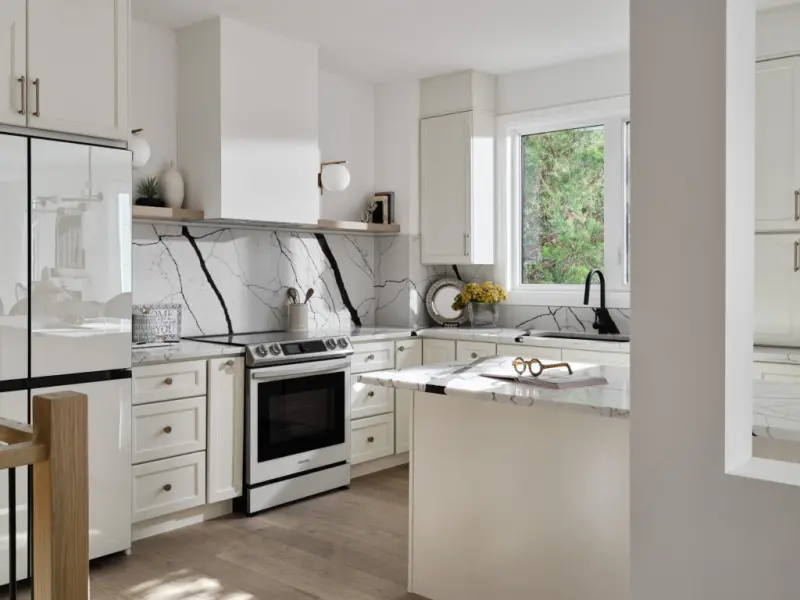
The Ultimate Renovation Checklist for First‑Time Homeowners
A comprehensive, step‑by‑step renovation checklist that helps first‑time homeowners plan, budg... Read More
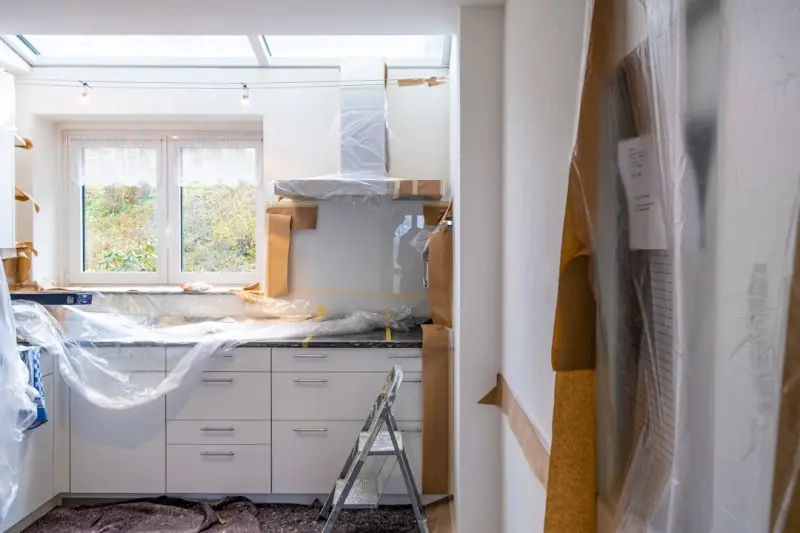
Renovation Checklist: Future‑Ready Flex Spaces and Tech‑Savvy Upgrades
A detailed, step‑by‑step renovation checklist helps homeowners create adaptable, tech‑enabled ... Read More
Top Posts
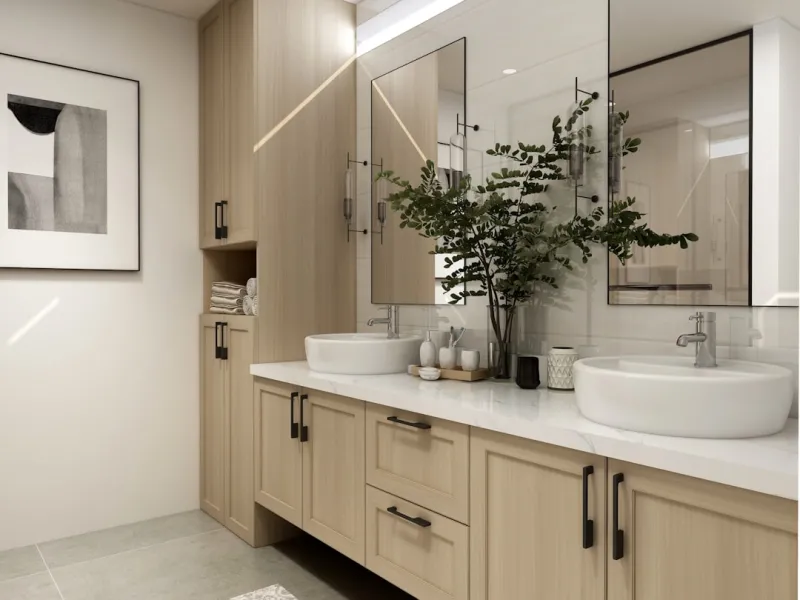
The Evolution of Bathroom Renovations: How Sustainable Practices Are Changing the Game
Learn about the growing trend of sustainable bathroom renovations and how to make your next project more eco-friendly. Discover the benefits of eco-friendly mat...Read More

Foundations for the Future: How Smart Materials and Data Are Redefining the Groundwork
A modern foundation can be more than concrete—it can be a carbon‑reduced, sensor‑enabled, modular platform that predicts settlement, adapts to climate, an...Read More

Microclimate Mastery: Designing Gardens That Thrive in Every Season
Discover the step‑by‑step process for turning any yard into a series of tailored microclimates, enabling resilient planting, smarter watering, and comfortab...Read More

Solar Power for the Edge: Transforming Resilience and Performance
Solar energy is reshaping the edge of enterprise operations—from autonomous data‑center pods and self‑sustaining IoT meshes to solar‑infused micro‑gri...Read More
0 Comments
Post Comment
You will need to Login or Register to comment on this post!