
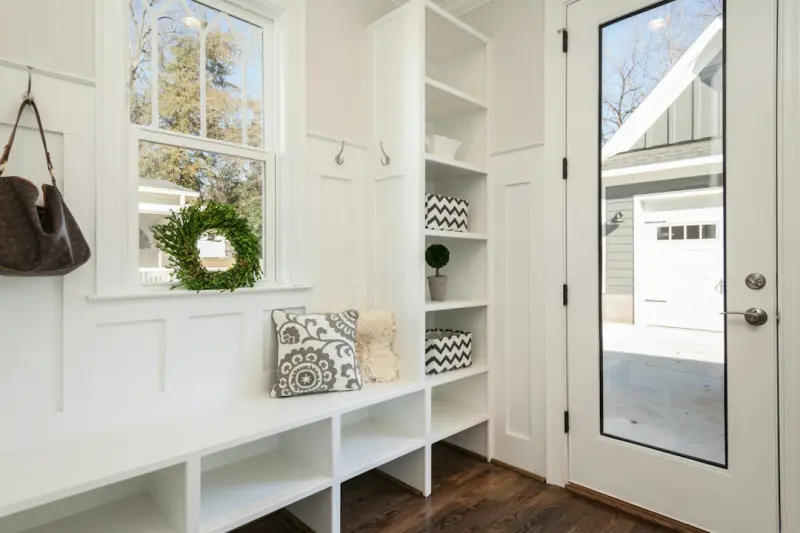
Transform Your Entryway into a Welcoming, Functional Hub
When you step through the front door, the first impression you make isn’t just about curb appeal—it’s about the experience you craft the moment you cross the threshold. I’ve spent the last decade turning houses into homes, and I’ve learned that the entryway is the silent ambassador of hospitality. It can be a chaotic dump zone or a curated space that says, “You’re home, and you belong here.” In this guide I’ll walk you through a step‑by‑step overhaul that blends aesthetic polish with everyday practicality, all without a major renovation budget.
1. Start with a Honest Audit
Before you buy any new piece of furniture or splurge on a fresh coat of paint, pause and take inventory. Grab a notebook (or a notes app) and ask yourself:
- What items consistently clutter this space? (Shoes, umbrellas, mail, pet gear?)
- Which zones feel cramped or underutilized?
- Do I have adequate lighting for both safety and ambiance?
- Is the floor surface durable enough for high‑traffic wear?
Write down every pain point. This audit becomes your roadmap; you’ll address each issue deliberately rather than making random purchases that end up as another layer of clutter.
2. Declutter with a “Three‑Box” Method
The “keep, relocate, toss” system is a lifesaver. As you sort each item, be ruthless: if it hasn’t been used in the past six months, consider moving it to storage or donating it. Shoes that are out‑of‑style, magazines with stale articles, and that half‑finished knitting project belong in the “relocate” bin. Anything broken or beyond repair goes straight to “toss.” When the chaos clears, you’ll instantly feel more at ease, and you’ll have a clean slate for thoughtful design.
3. Define Functional Zones
An entryway is more than a passage; it’s a transition zone that can serve several purposes:
- Drop‑off zone: A small table or console where keys, wallets, and mail land.
- Shoe station: A bench with hidden storage or a sleek rack.
- Coat corner: Hooks, a coat rack, or a slim wardrobe for jackets.
- Pet check‑in: A designated spot for leashes, treats, and a water bowl.
Assign each function to a specific area. Even in a narrow hallway, you can stack zones vertically—think a narrow console with a hanging rack above it.
4. Light It Right
Lighting is often overlooked, yet it dramatically influences how welcoming your foyer feels. Aim for a layered approach:
- Ambient lighting: A ceiling fixture or recessed LED that provides even illumination.
- Task lighting: A table lamp or wall sconce on the drop‑off table for reading mail.
- Accent lighting: LED strip lighting inside a glass cabinet or a small spotlight on a piece of artwork.
If natural light is limited, choose warm‑tone bulbs (around 2700‑3000K). They create a cozy glow without feeling harsh.
5. Choose Flooring That Works for You
High‑traffic areas demand durability. Here are three options that balance style and resilience:
- Luxury vinyl plank (LVP): Mimics wood grain, resists moisture, and is easy to replace.
- Porcelain tile: Ultra‑hard, perfect for rainy climates, and available in myriad patterns.
- Engineered hardwood: Gives you the warmth of wood with better stability under humidity changes.
Top the floor with a runner or rug that adds texture and helps trap dirt. Choose a low‑pile rug with a non‑slip backing to keep safety front and center.
6. Smart Storage Solutions Without the “Modular Closet” Vibe
Instead of defaulting to a full‑blown modular system, think modular in a micro sense. custom storage solutions can be as simple as:
- A sleek ladder shelf for hats and bags.
- Pull‑out bins that slide under a bench for seasonal shoes.
- Wall‑mounted cubbies painted the same color as the wall for a seamless look.
The goal is to keep the visual weight low while maximizing vertical space.
7. Add Personality with Curated Details
Now that the functional backbone is set, sprinkle in elements that reflect your style:
- Artwork: A single statement piece or a small gallery wall of family photos.
- Greenery: A hardy snake plant or a small potted succulent adds life without demanding much care.
- Scent: A discreet diffuser with a calming aroma (like lavender or cedar) creates an immediate sense of welcome.
- Mirror: A medium‑sized mirror not only looks chic but also expands visual space and reflects light.
These touches turn an otherwise utilitarian zone into a space that feels intentionally designed.
8. Seasonal Swaps Made Easy
One of my favorite habits is to rotate seasonal accessories. In the fall, swap a light‑colored rug for a deeper, woven runner, and bring in a pumpkin‑shaped candle. In spring, replace heavy coats with a bright umbrella stand and fresh flowers. Keeping a small “seasonal box” near the entryway makes the switch effortless and keeps the décor feeling fresh all year long.
9. Optimize Air Quality—A Quiet Game‑Changer
Good ventilation is often hidden, but it dramatically impacts how comfortable you feel when you step inside. ventilation boost strategies for a residential foyer include:
- Installing a low‑profile exhaust fan near the front door to draw in fresh air.
- Using an air‑purifying plant like the peace lily to naturally filter pollutants.
- Ensuring any existing ductwork is clean and unobstructed—dusty ducts can circulate stale air and allergens.
When the air smells clean and feels balanced, the whole home feels more inviting.
10. Build a Simple Maintenance Routine
All the design work in the world won’t matter if you let the entryway slip back into chaos. Adopt a 5‑minute nightly habit:
- Put shoes back on the rack.
- Wipe down surfaces with a microfiber cloth.
- Check that lights are working and replace bulbs as needed.
- Shake out the rug or runner to keep debris from spreading.
- Take a quick glance at the storage zones and rearrange anything out of place.
This quick ritual ensures that the effort you put into the redesign stays visible and functional.
11. Leverage Technology for Low‑Effort Organization
While we’re keeping the design low‑tech, a small tech upgrade can simplify daily life. Consider a Bluetooth key finder that attaches to your keyring and syncs with your phone. When you’re about to leave, a gentle beep reminds you that you’ve got everything you need. Another handy gadget is a motion‑sensor night light that activates when someone enters after dark, providing safety without keeping the main lights on.
12. The “Welcome Home” Checklist
To wrap everything together, here’s a quick checklist you can print and keep on your console:
- ✅ All shoes stored in designated area.
- ✅ Keys, wallet, and mail have a permanent drop‑off spot.
- ✅ Lighting layers are functional and aesthetically pleasing.
- ✅ Flooring is durable and complemented by a runner.
- ✅ Storage units are organized and visually cohesive.
- ✅ Personal touches (art, plants, scent) reflect your style.
- ✅ Seasonal accessories refreshed.
- ✅ Air quality measures in place.
- ✅ Nightly 5‑minute tidy routine completed.
- ✅ Small tech helpers active and charged.
Cross each item off daily, and you’ll notice how the entryway begins to feel less like a transitional hallway and more like the warm handshake of your home.
Conclusion: A Small Space, Big Impact
Transforming an entryway isn’t about massive overhauls; it’s about thoughtful curation of the things you see and use the most. By auditing, decluttering, defining zones, lighting wisely, and adding personality, you create an area that greets you with calm and order. The result? A home that feels welcoming from the moment you step in, and a daily ritual that sets a positive tone for the rest of the day.
If you’re looking for further inspiration, you might also explore how a well‑planned home comfort tweak can complement your entryway makeover, or dive into the benefits of clean ventilation in the foyer with the ventilation boost article.

Kelly Reynolds is a dynamic freelance writer hailing from the picturesque landscapes of Alberta. A master of the written word, she juggles her passion for storytelling with the exhilarating chaos of being a mother to five spirited children. With an impressive portfolio that spans various genres, Kelly captivates readers through her engaging blog posts and thought-provoking articles.
Related Posts

Quiet Comfort: Simple Acoustic Upgrades Every Homeowner Can DIY
Learn how to transform noisy rooms into peaceful havens with low‑cost, hands‑on acoustic upgrade... Read More
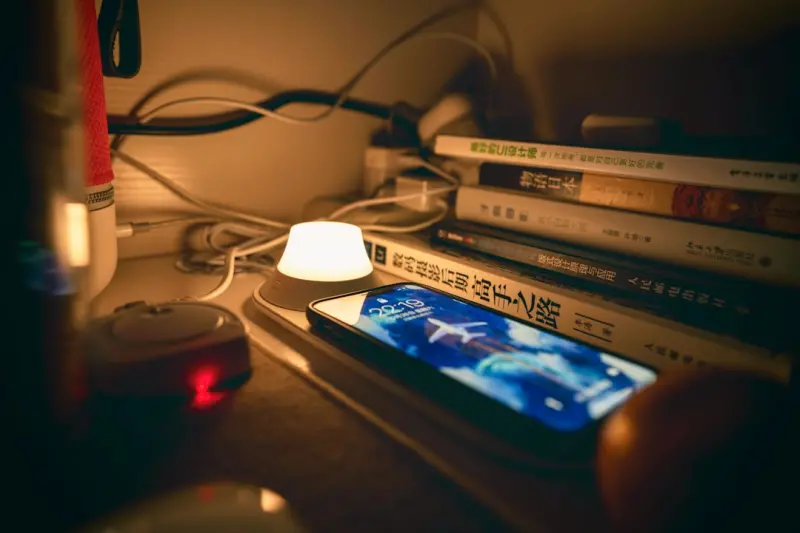
Layered Light: How to Light Your Home Smarter, Safer, and More Stylish
Learn how to create a three‑layer lighting system—ambient, task, and accent—that improves mood... Read More

Smart Window Treatments: The Overlooked Energy Saver
Learn practical tips for choosing, automating, and maintaining window treatments that boost energy s... Read More
Top Posts

Beyond the View: Turning Sunrooms into High‑Performance Remote‑Work Studios
Turn your sunroom into a high‑performance remote‑work studio. Learn design strategies, smart tech integration, acoustic solutions, and maintenance tips to b...Read More
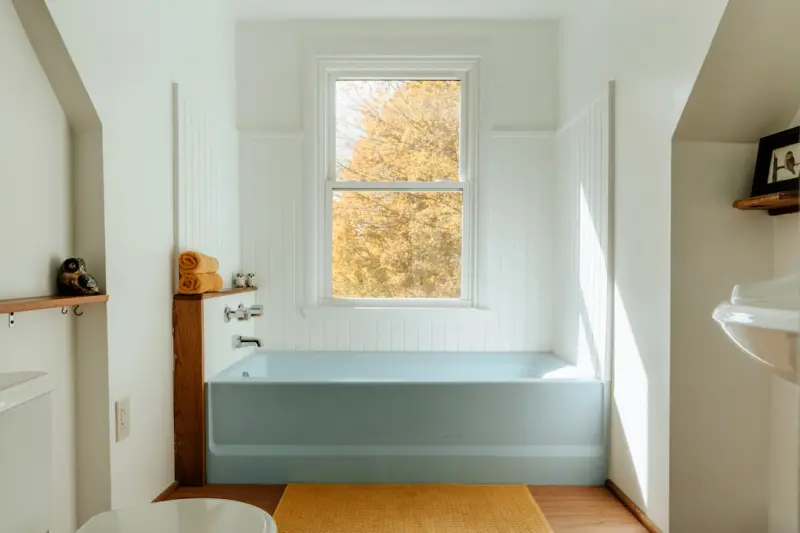
Bathtub Refinishing: A Smart Upgrade for Property Managers
Bathtub refinishing offers a low‑cost, high‑ROI solution for property managers, extending tub life, improving sustainability, and increasing rent premiums t...Read More

The Often-Overlooked Heroes of Home Maintenance: Gutters
Gutters play a vital role in keeping your home safe and secure, but they're often neglected until it's too late. Learn how to maintain your gutters and why they...Read More

Designing a Seamless Home Addition: Balancing Lifestyle, Technology, and Future Growth
Learn to create a home addition that mirrors daily routines, integrates discreet technology, and stays flexible for future changes—all while staying on budget...Read More
0 Comments
Post Comment
You will need to Login or Register to comment on this post!