

Why Decorative Plaster Is the Secret Weapon Modern Businesses Overlook
When most facility managers talk about “first impressions,” the conversation often lands on lighting, furniture, or digital signage. Rarely does plaster get a seat at the table—yet the humble finish that coats walls and ceilings can be the most powerful branding tool you’re missing. Unlike generic paint or mass‑produced wall panels, decorative plaster offers texture, depth, and a tactile narrative that speaks directly to a brand’s personality.
The Historical Credibility Behind Modern Appeal
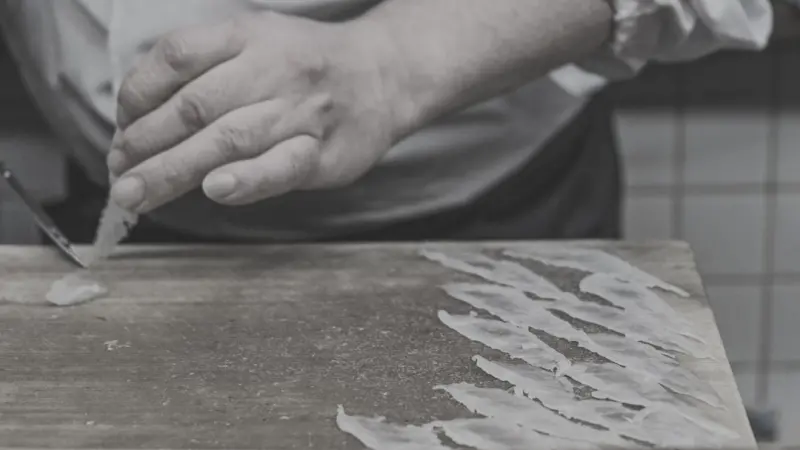
Plasterwork has been the backbone of grand architecture for millennia, from the vaulted ceilings of Roman basilicas to the intricate stucco motifs adorning Renaissance palazzos. Those historic spaces weren’t just beautiful; they communicated power, stability, and an unwavering commitment to craft. Today’s businesses can borrow that same gravitas without the prohibitive cost of a heritage building. By commissioning handcrafted plaster finishes—think linear ribs, sand‑finished planes, or bespoke relief patterns—companies embed a sense of timeless quality into their modern environments.
From Aesthetic to Asset: Quantifying the ROI
It may sound subjective, but decorative plaster delivers measurable returns. Here’s how:
- Increased Occupancy Rates. Office spaces that showcase artisanal finishes often command higher rental premiums because they attract tenants who value design excellence.
- Extended Lifecycle. Properly applied plaster resists wear far better than standard drywall paint, reducing the frequency of touch‑ups and associated labor costs.
- Brand Differentiation. A unique plaster motif can become a visual shorthand for a brand, reinforcing identity every time a client steps through the door.
When you factor in lower maintenance, higher lease values, and the intangible boost to brand perception, the investment starts to look like a strategic asset rather than a decorative indulgence.
Choosing the Right Finish for Your Business Narrative
Not all plaster finishes serve the same purpose. Below are the three most effective categories for commercial environments, along with the story each can tell:
- Linear & Geometric Ridges. Ideal for tech firms or fintech startups that want to convey precision and forward‑thinking architecture. The clean, repeating lines echo data streams and algorithmic order.
- Organic Textured Coats. Perfect for wellness centers, boutique hotels, or creative agencies. A sand‑finished or lime‑based plaster evokes natural materials, grounding visitors in an environment that feels both modern and earthy.
- Relief Sculptures. Use custom motifs—company logos, local landmarks, or abstract art—to embed storytelling directly into the walls. This approach works well for flagship stores where the interior itself becomes an exhibition space.
Integrating Digital Workflows for Precise Execution
One of the biggest myths about decorative plaster is that it’s a labor‑intensive, “hand‑only” process that can’t keep pace with tight project timelines. That narrative is changing thanks to digital workflows that synchronize design, fabrication, and on‑site application. Specialized tablets allow plaster artisans to overlay 3D renderings onto the actual wall surface, ensuring each ridge, curve, or relief aligns perfectly with the architectural blueprint. This integration reduces material waste, cuts rework, and delivers the finish on schedule—an essential factor for commercial tenants who operate on strict move‑in dates.
Material Matters: Modern Plaster Formulations for Commercial Durability
While the visual impact of decorative plaster steals the spotlight, the underlying composition determines longevity. Today’s high‑performance plasters blend traditional lime with engineered polymers, offering:
- Improved adhesion to a variety of substrates, from concrete to metal studs.
- Enhanced moisture regulation, which helps maintain indoor air quality—a subtle but vital benefit for employee wellness.
- Greater resistance to impact and abrasion, crucial for high‑traffic lobby areas.
Choosing a formulation that balances aesthetics with durability ensures the finish remains a long‑term brand asset rather than a short‑lived novelty.
Case Study: A Boutique Agency’s Turnaround Using Hand‑Molded Plaster
When a mid‑size creative agency relocated to a downtown loft, the space was a blank canvas of exposed brick and generic drywall. The leadership wanted a distinctive environment that reflected their design‑forward ethos without breaking the budget. They partnered with a local plaster studio that crafted a custom linear rib pattern across the main conference wall, echoing the agency’s emphasis on structure and creativity.
Key outcomes after six months:
- Client Feedback. 87% of visiting clients noted the “unique wall texture” as a memorable element of the meeting space.
- Employee Satisfaction. Internal surveys showed a 12% increase in reported workplace pride, linked directly to the “hand‑crafted feel” of the office.
- Financial Impact. The agency secured two new high‑value contracts, attributing part of the success to the enhanced brand perception during pitch meetings.
This example illustrates how decorative plaster can shift a space from functional to inspirational, directly influencing business outcomes.
Balancing Cost and Value: Budgeting Tips for Decision‑Makers
Many executives shy away from decorative plaster because of perceived cost spikes. However, strategic budgeting can keep the project lean:
- Scope Early. Define the exact wall surfaces and finishes before soliciting quotes. A focused scope prevents scope creep and unnecessary material usage.
- Leverage Off‑Peak Labor. Schedule plaster work during off‑peak construction seasons when skilled artisans may offer more competitive rates.
- Combine with Existing Systems. Use plaster as a substrate for acoustic panels or integrated lighting, consolidating multiple finishes into one material layer.
By approaching the project as a holistic design element rather than an isolated decorative add‑on, you often discover cost‑saving synergies.
Regulatory and Safety Considerations
Commercial properties must meet fire‑rating and indoor air quality standards. Modern decorative plasters can be formulated to achieve Class A fire ratings while remaining low‑VOC, satisfying both safety regulations and sustainability goals. Always verify that the chosen product carries the relevant certifications (e.g., ASTM E84, LEED credits) before finalizing the specification.
Future Trends: Plaster as a Platform for Experiential Design
Looking ahead, plaster will likely become a platform for more than just visual appeal. Imagine walls that double as projection surfaces for immersive brand storytelling, or plaster panels embedded with low‑profile sensors that monitor temperature and humidity—feeding data into building management systems. While still emerging, these possibilities reinforce plaster’s role as a versatile, future‑proof canvas for commercial interiors.
Getting Started: A Practical Checklist
Ready to explore decorative plaster for your next project? Follow this checklist to ensure a smooth journey from concept to completion:
- Define Brand Objectives. What story should the wall tell? Align finish choices with brand values.
- Consult a Plaster Artisan. Look for portfolios that demonstrate both technical skill and creative versatility.
- Integrate Digital Planning. Use 3D modeling and digital workflows to align design intent with on‑site execution.
- Validate Materials. Ensure the plaster mix meets fire, VOC, and durability requirements for your specific space.
- Plan Installation Timing. Coordinate with other trades to avoid conflicts and protect the freshly applied finish.
- Set Maintenance Protocols. Establish cleaning and touch‑up schedules to preserve the finish’s visual impact over time.
By treating decorative plaster as a strategic design investment, you unlock a new dimension of brand expression that resonates with clients, employees, and visitors alike.
Conclusion: Turning Walls into Brand Ambassadors
In an era where every square foot of commercial real estate competes for attention, decorative plaster offers a quiet yet powerful way to stand out. Its blend of historic craftsmanship, modern performance, and limitless design potential makes it an ideal medium for businesses seeking to communicate quality, creativity, and longevity. When executed thoughtfully—supported by digital workflows, rigorous material selection, and a clear brand narrative—plaster transforms ordinary walls into ambassadors of your company’s story, delivering tangible business benefits that go far beyond aesthetics.

William Roy is a freelance writer originally from Montreal who moved to Ottawa with his wife of 50 years to be closer to their grandkids. Alongside his writing, William has a passion for fishing.
Related Posts

Texture Tales: Mastering Decorative Plaster for Modern Homes
Explore how texture, proper prep, and creative application turn plaster into a standout feature, off... Read More
The Revival of Plaster: Crafting Healthier, More Stylish Spaces
Explore plaster’s rise in modern design, its breathable health perks, DIY techniques, and the futu... Read More

Plastering’s Modern Renaissance: Health, Design, and Smart Innovations
Plaster is returning to the spotlight as a versatile, health‑focused, and technologically enhanced... Read More
Top Posts

Why Trees Need a Tech Upgrade: Proactive Arboriculture in the Digital Age
A deep dive into the emerging tech that empowers arborists to monitor, predict, and act on tree health, turning canopy maintenance into a strategic, data‑driv...Read More

Reimagining Sunrooms: From Seasonal Nooks to Year‑Round Wellness Sanctuaries
Sunrooms can evolve from seasonal extensions to holistic wellness sanctuaries. Learn how biophilic design, smart climate control, acoustic solutions, and sustai...Read More

Reviving the Past: A Modern Craftsman's Guide to Furniture Restoration
Discover a hands‑on, modern approach to furniture restoration that blends traditional craftsmanship with smart tools, sustainable finishes, and savvy pricing ...Read More

Backyard Sheds and Gazebos: Crafting Versatile Outdoor Retreats
Explore a fresh, functional approach to backyard sheds and gazebos, turning simple structures into versatile spaces for work, hobbies, and relaxation....Read More
0 Comments
Post Comment
You will need to Login or Register to comment on this post!