

Why Your Backyard Deserves a Thoughtful Shed or Gazebo
When I first sketched a modest wooden structure beside my garden, I realized that a shed or gazebo can be far more than a storage box or a shaded perch—it can become the quiet nucleus of creative escape, a seasonal workshop, and even a pocket‑office that blurs the line between work and play. Strategic placement of the structure influences how sunlight dances across your patio, how wind whispers through the eaves, and how the building integrates with existing pathways, ensuring you never feel disconnected from the flow of daily life. By treating the project as a mini‑architecture challenge, you invite yourself to consider zoning, privacy, and visual harmony long before the first nail is driven, turning a simple backyard addition into a lasting statement of personal style and functional foresight.
Mapping the Purpose: From Hobby Haven to Home Office
My approach always starts with a purpose map—a simple list that ranks activities like woodworking, gardening, remote work, and seasonal gatherings, then assigns spatial needs, power requirements, and climate controls to each priority; this matrix becomes the blueprint that prevents the dreaded “I need more space” regret months later. By envisioning how each activity will occupy the interior, you can decide whether an open‑plan gazebo with high ceilings suits your yoga sessions, or a compact, insulated shed with built‑in shelving better serves a growing collection of tools and a standing desk; the key is to let the intended lifestyle dictate the dimensions rather than the opposite. This deliberate planning stage also reveals opportunities for flexible design elements, such as removable wall panels or modular furniture, that allow the space to evolve as your hobbies shift or your family expands.
Choosing Materials That Age Gracefully
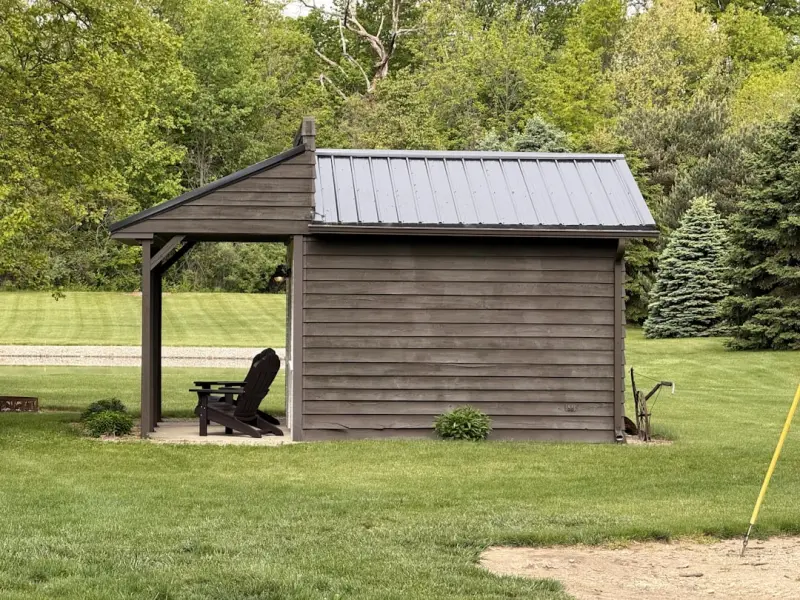
When I walked the lumberyard last fall, I was struck by how many timber options now come pre‑treated with eco‑friendly preservatives that repel rot without the harsh chemicals of old‑school pressure treatments; opting for such sustainably sourced wood not only boosts curb appeal but also reduces long‑term maintenance costs, a win for both the wallet and the planet. For regions prone to heavy rain or intense sun, I favor a hybrid approach—using a sturdy cedar frame for its natural resistance and pairing it with a breathable metal roof that sheds water efficiently while reflecting heat, creating a balanced envelope that keeps interiors comfortable year‑round. If you’re inclined toward a modern aesthetic, consider engineered panels with a sleek, painted finish, but remember that even the most advanced composites benefit from a well‑ventilated under‑structure to prevent moisture buildup—a lesson I learned the hard way after a damp summer left a previous shed’s walls mottled with mold.
Climate‑Smart Design: Insulation, Ventilation, and Weatherproofing
One of the most rewarding upgrades I made was installing a thin layer of rigid foam board beneath the interior walls of my garden shed, then sealing the seams with reflective tape; this simple step transformed the space from a chilly winter storage unit into a usable workshop that retained heat from a portable electric heater without skyrocketing energy bills. Proper ventilation, however, remains essential; I added operable skylights and low‑profile ridge vents that allow warm air to escape naturally, creating a passive airflow system that works even when the windows are closed for security. When selecting windows, look for double‑glazed units with low‑emissivity coatings, which block UV rays that could fade fabrics while still admitting soft, diffused light—a subtle detail that makes a huge difference in the ambiance of a daytime office or an evening reading nook.
Lighting, Power, and Smart Features
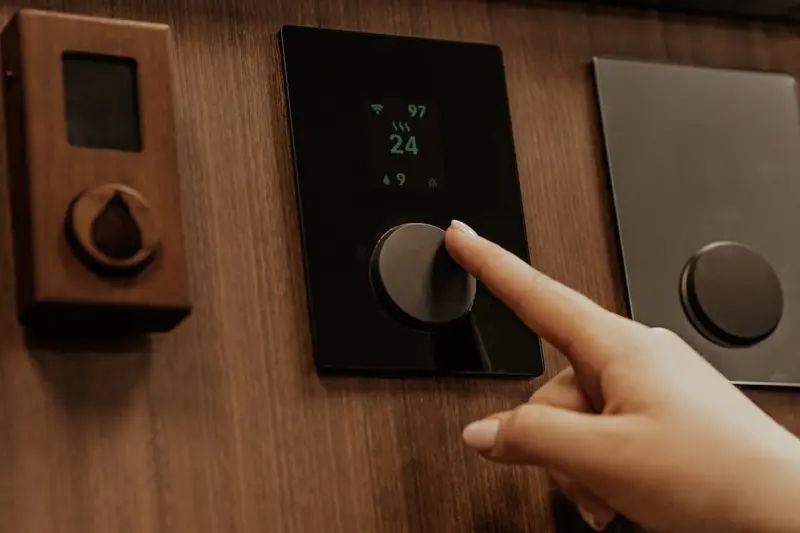
Integrating electricity into a backyard structure used to feel like a daunting code‑compliance puzzle, but today’s plug‑and‑play solar kits make it almost effortless to light a gazebo or power a shed’s workbench, and I was thrilled to discover a compact, off‑grid inverter that charges via a discreet rooftop panel while still allowing you to plug in a laptop or power tools safely. For those who crave a touch of technology, I installed a Wi‑Fi‑enabled thermostat that syncs with my phone, letting me pre‑heat the space before a morning video call, and a motion‑sensor LED strip that automatically illuminates the entryway after dusk, blending convenience with energy efficiency. If you’re interested in deeper integration, consider a small battery backup system that keeps essential devices running during power outages—a feature that proved invaluable during a recent storm when my home office lost power but my gazebo‑studio stayed lit and warm.
Landscaping Around the Structure: Seamless Outdoor Flow
After the shed’s frame rose, I turned my attention to the surrounding garden, using low‑maintenance groundcovers like creeping thyme and ornamental grasses to soften the base while providing a fragrant, foot‑friendly path that leads naturally to the entrance; these plantings also help with drainage, guiding rainwater away from the foundation and reducing the risk of pooling. In the gazebo’s case, I incorporated a circular stone patio that mirrors the roof’s curvature, then placed a few strategically positioned planters with seasonal blooms, creating a visual focal point that invites friends to linger over coffee or a glass of wine. For a more formal look, I added a modest trellis on one side of the shed, training climbing roses to weave through the lattice and cast dappled shade—a design trick that adds both privacy and a living, ever‑changing facade.
Maintenance Made Simple: Routine Checks and Sustainable Practices
To keep the structure in top shape, I schedule a quarterly walk‑through that includes checking roof fasteners, clearing debris from gutters, and applying a light coat of natural oil to the wood to preserve its finish; this habit not only extends the life of the building but also gives me an excuse to enjoy the outdoors regularly. I also make use of a spot‑free carpet science approach for the interior floor mats, selecting low‑piling, stain‑resistant fibers that are easy to shake out and vacuum, ensuring that the space stays pristine despite heavy foot traffic. Finally, I keep a small toolbox stocked with rust‑proof screws, sealant, and a portable power drill on a wall‑mounted shelf, so any minor repairs can be tackled on the spot, turning maintenance into a quick, satisfying task rather than a daunting project.
Future‑Proofing: Adapting the Space for Changing Needs
Looking ahead, I designed the shed with a raised floor system that accommodates a future under‑floor conduit for additional wiring or plumbing, should I decide to add a small sink or a climate‑controlled storage cabinet; this foresight eliminates the need for invasive retrofits later on. I also left space for a removable wall panel that can be swapped out for glass panels when I want to transform the gazebo into a sunroom during cooler months, blending indoor comfort with outdoor charm. By embracing a modular mindset, you can seamlessly transition the structure from a dedicated art studio to a weekend guest suite, ensuring that the investment remains relevant as your lifestyle evolves. For inspiration on broader home upgrades, you might explore designing a seamless home addition, which offers valuable insights on scaling spaces without sacrificing coherence.
Wrapping Up: Your Backyard’s New Heartbeat
In the end, a well‑planned shed or gazebo does more than store tools or provide shade; it becomes a versatile hub that nurtures creativity, supports remote work, and fosters moments of quiet reflection, all while enhancing the visual rhythm of your landscape. By treating the project as a thoughtful blend of architecture, material science, and sustainable design, you create a lasting asset that grows with you, inviting countless memories and practical benefits for years to come. So roll up your sleeves, sketch that vision, and watch as a humble backyard structure transforms into the beating heart of your outdoor sanctuary.

Paul Gray is a dynamic blogger based in Brampton, where he shares his life with his amazing wife, Sarah. Known for his engaging writing style and relatable insights, Paul has carved out a niche in the blogging world that resonates with readers from all walks of life. When he's not crafting captivating posts, you can find him savoring a cold beer or indulging in the latest blockbuster movie. With a friendly demeanor and a passion for storytelling, Paul brings a unique perspective to his work, making him not just a blogger, but a voice for those who appreciate the simple joys of life.
Related Posts

From Storage to Sanctuary: Reimagining Your Backyard Shed
Explore fresh ideas to transform an ordinary shed into a functional, inviting space—whether a home... Read More
From Storage to Sanctuary: Rethinking Sheds and Gazebos for Modern Life
Sheds and gazebos are evolving from storage closets to year‑round multifunctional spaces. Learn ho... Read More
Unlocking the Hidden Potential of Sheds & Gazebos: A Hands‑On Guide
A practical, hands‑on guide to choosing, building, and maintaining versatile sheds and gazebos tha... Read More
Top Posts

Why Your Home Alarm System Deserves a Sustainable Upgrade
Explore the shift to sustainable home alarm systems, from low‑power panels and solar batteries to AI‑driven sensors, and learn practical steps for greener s...Read More

Shade and Strategy: Unleashing the Hidden Power of Modern Awnings
Explore the unexpected advantages of modern awnings, from psychological comfort and energy savings to brand amplification and durable design....Read More
Predictive HVAC: Turning Climate Control into a Competitive Advantage
Predictive HVAC shifts climate control from reactive fixes to data‑driven optimization, delivering lower costs, healthier indoor air, and a sustainability edg...Read More

AI‑Powered Smart Electrical Panels: The Quiet Revolution Transforming Workspaces
AI‑powered smart electrical panels turn passive breaker boxes into active energy managers, delivering real‑time load monitoring, predictive maintenance, and...Read More
0 Comments
Post Comment
You will need to Login or Register to comment on this post!