

Creating Eco-Friendly Outdoor Spaces: Sustainable Sheds and Gazebos
As a passionate advocate for sustainable living, I'm excited to share with you the latest trends in eco-friendly outdoor spaces, focusing on sustainable sheds and gazebos. These structures not only provide a serene retreat from the hustle and bustle of daily life but also contribute to a greener future. When designing your outdoor space, it's essential to consider the materials, construction methods, and purpose of your shed or gazebo. A well-planned outdoor space can increase your property value, provide additional storage, and even serve as a peaceful escape.
When it comes to sustainable sheds and gazebos, the choice of materials is crucial. Reclaimed wood, bamboo, and sustainably sourced timber are excellent options. These materials not only reduce waste but also minimize the environmental impact of your project. Additionally, consider using eco-friendly roofing materials, such as recycled metal or solar panels, to further reduce your carbon footprint. A sustainable shed or gazebo can also be designed to serve multiple purposes, such as a home office, art studio, or even a green house. By choosing sustainable materials and designs, you can create a beautiful outdoor space that benefits both you and the environment.
Sustainable Materials for Your Outdoor Space
The type of materials used in your shed or gazebo can significantly impact the environment. That's why it's essential to choose sustainable materials that are eco-friendly and durable. Some popular options include:
- Reclaimed wood: This type of wood is salvaged from old buildings, trees that have fallen, or other sources, reducing the need for new lumber.
- Bamboo: A highly renewable resource, bamboo is lightweight, durable, and resistant to pests and decay.
- Sustainably sourced timber: Look for timber that's certified by organizations like the Forest Stewardship Council (FSC), ensuring that the wood is harvested responsibly.
By choosing sustainable materials, you can create a beautiful and eco-friendly outdoor space that benefits both you and the environment. For more information on sustainable materials and practices, check out The Intersection of Woodworking and Sustainable Living.
Designing Your Sustainable Outdoor Space
Designing your sustainable outdoor space requires careful consideration of several factors, including the purpose of your shed or gazebo, the materials used, and the environmental impact. A well-designed outdoor space can not only provide a peaceful retreat but also increase your property value. When designing your outdoor space, consider the following:
- Purpose: What will you use your shed or gazebo for? Will it be a home office, art studio, or storage space?
- Materials: What sustainable materials will you use for your shed or gazebo?
- Environmental impact: How will your shed or gazebo impact the environment, and what steps can you take to minimize this impact?
By carefully considering these factors, you can create a sustainable outdoor space that meets your needs while minimizing its environmental impact.
Energy Efficiency in Your Outdoor Space
Energy efficiency is a critical aspect of sustainable living, and your outdoor space is no exception. Consider incorporating energy-efficient features into your shed or gazebo, such as solar panels, energy-efficient lighting, and insulation. These features can help reduce your energy consumption and minimize your carbon footprint. For more information on energy-efficient solutions, check out Sustainable Windows and Doors: A Key to Energy Efficiency.
The Benefits of Sustainable Sheds and Gazebos
Sustainable sheds and gazebos offer numerous benefits, including reduced environmental impact, increased property value, and a peaceful retreat from daily life. By choosing sustainable materials and designs, you can create a beautiful outdoor space that benefits both you and the environment. Some of the benefits of sustainable sheds and gazebos include:
- Reduced environmental impact: Sustainable materials and designs minimize the environmental impact of your shed or gazebo.
- Increased property value: A well-designed outdoor space can increase your property value and provide a peaceful retreat.
- Peaceful retreat: A sustainable shed or gazebo can provide a serene escape from daily life, improving your mental and physical well-being.
By investing in a sustainable shed or gazebo, you can create a beautiful outdoor space that benefits both you and the environment.
Maintenance and Upkeep
Maintenance and upkeep are essential to ensuring the longevity of your sustainable shed or gazebo. Regular maintenance can help prevent damage, reduce waste, and ensure that your outdoor space remains safe and functional. Some tips for maintaining your sustainable shed or gazebo include:
- Regular inspections: Regularly inspect your shed or gazebo for damage or wear and tear.
- Cleaning: Regularly clean your shed or gazebo to prevent dirt and debris from accumulating.
- Repairs: Make repairs promptly to prevent damage from spreading and reducing waste.
By following these tips, you can ensure that your sustainable shed or gazebo remains a beautiful and functional outdoor space for years to come.
Conclusion
Creating a sustainable outdoor space is a great way to reduce your environmental impact while enjoying the benefits of a peaceful retreat. By choosing sustainable materials, designing with energy efficiency in mind, and considering the purpose and environmental impact of your shed or gazebo, you can create a beautiful outdoor space that benefits both you and the environment. For more information on sustainable living and outdoor spaces, check out The Future of Landscaping: Sustainable Solutions for a Greener Tomorrow.
Final Tips and Recommendations
In conclusion, creating a sustainable outdoor space requires careful consideration of several factors, including materials, design, and purpose. By choosing sustainable materials, designing with energy efficiency in mind, and considering the environmental impact of your shed or gazebo, you can create a beautiful outdoor space that benefits both you and the environment. Some final tips and recommendations include:
- Research sustainable materials and designs.
- Consider the purpose and environmental impact of your shed or gazebo.
- Invest in energy-efficient features.
By following these tips and recommendations, you can create a sustainable outdoor space that meets your needs while minimizing its environmental impact.

Craig Brett is a freelancer with a passion for the outdoors. His love for nature inspires his work, bringing authentic and engaging perspectives to projects related to outdoor activities, adventure, and environmental topics.
Related Posts

Seasonal Sheds: Crafting a Year‑Round Outdoor Sanctuary
Learn to reinvent your backyard shed as a year‑round sanctuary, blending eco‑friendly materials,... Read More
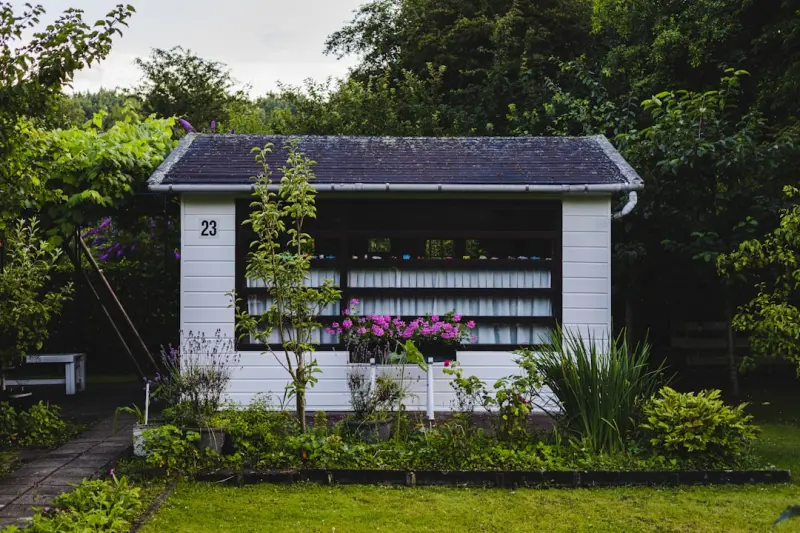
Backyard Sheds & Gazebos: From Storage to Lifestyle Hubs
Explore practical upgrades, sustainable materials, and smart tech that turn ordinary backyard sheds ... Read More
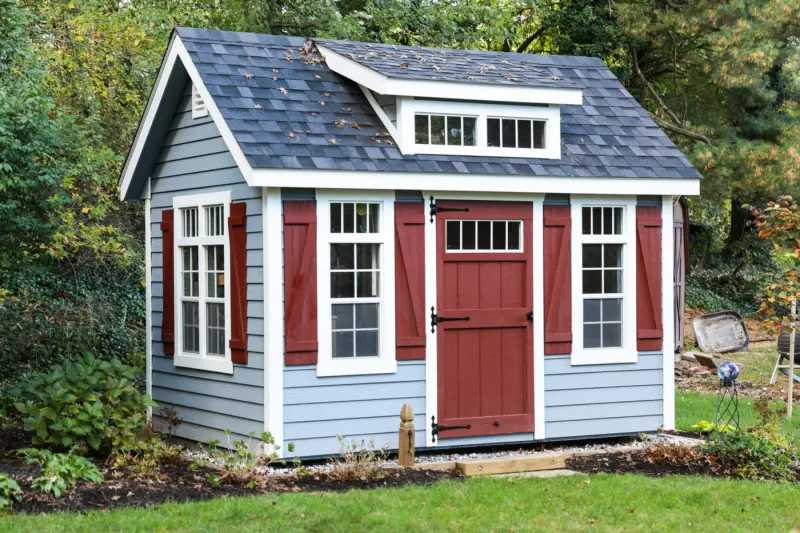
From Storage Shed to Creative Studio: A Seasonal Transformation Guide
Learn to turn a modest garden shed into a versatile, eco‑friendly studio. From layout and lighting... Read More
Top Posts

Smart Entryways: How Connected Windows & Doors Redefine Building Performance
This article examines the shift from static doors and windows to intelligent, sensor‑rich entry points that deliver energy savings, enhanced security, and pre...Read More
Building a Mobile Modular Workshop: Scaling Your Handyman Business on the Go
A handyman shares a step‑by‑step guide to building a mobile modular workshop that maximizes tool organization, expands market reach, and boosts per‑job re...Read More

Eco‑Smart Painting: Turning Walls into Sustainable, Connected Assets
Explore how low‑VOC paints, AI‑driven color selection, and conductive paint technology transform home painting into a sustainable, data‑rich practice that...Read More
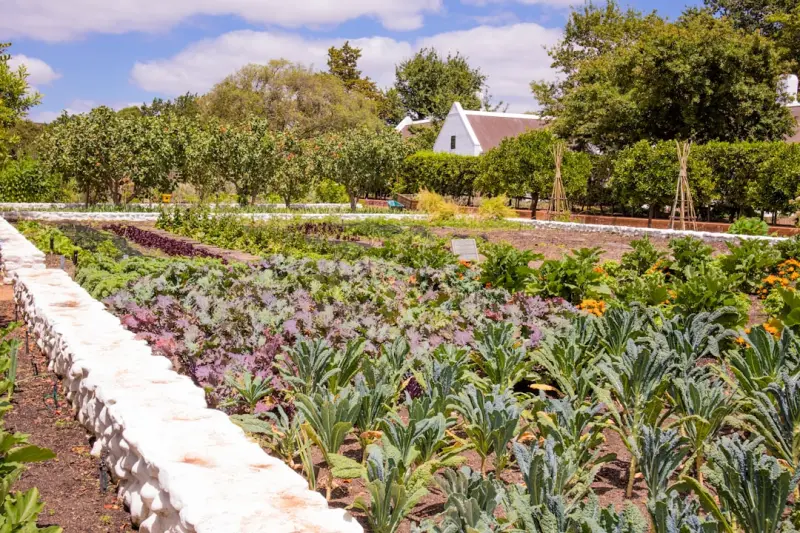
Harvesting Value: How Edible Landscaping Transforms Commercial Spaces
Edible landscaping turns corporate courtyards and rooftops into productive gardens that cut catering costs, showcase sustainability, and boost employee well‑b...Read More
0 Comments
Post Comment
You will need to Login or Register to comment on this post!