
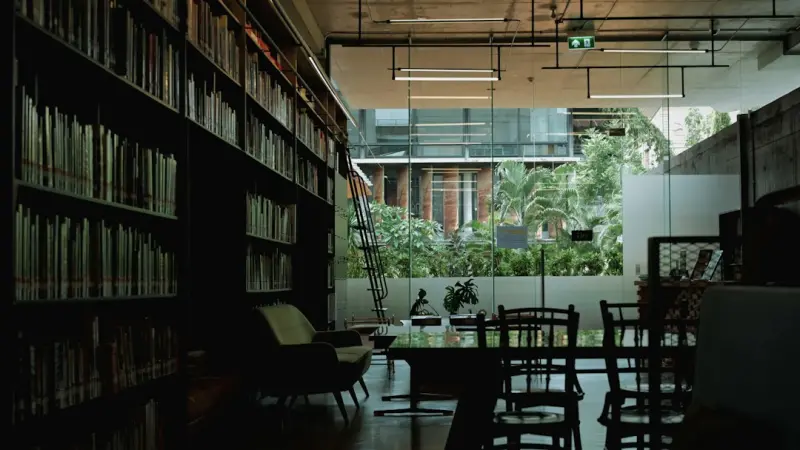
Why Indoor Green Walls Are the Next Big Thing for Modern Homes
When we think about home improvement, most of us picture fresh paint, sleek countertops, or a new coat of siding. Yet a quieter revolution is sprouting inside our living spaces: vertical gardens that transform blank walls into thriving ecosystems. These indoor green walls aren’t just a decorative fad; they’re a functional, health‑boosting addition that aligns perfectly with today’s focus on well‑being, sustainability, and intelligent design.
The Science Behind Living Walls
Plants have been proven to filter pollutants, regulate humidity, and even improve cognitive function. By integrating them into a wall, you create a concentrated zone of air‑purifying power. The dense foliage captures volatile organic compounds (VOCs) like formaldehyde and benzene, while the soil medium absorbs excess moisture, reducing the need for mechanical dehumidifiers.
Beyond air quality, the presence of greenery triggers a physiological response known as the “biophilic effect.” Studies show that exposure to natural elements can lower cortisol levels, reduce heart rate, and boost overall mood. In a home setting, this translates to a calmer environment that supports both work‑from‑home productivity and family relaxation.
Choosing the Right System for Your Space
Not all green walls are created equal. When selecting a system, consider three core components:
- Structure: Modular panels that attach to studs or freestanding frames make installation flexible. Look for corrosion‑resistant materials if the wall is near a kitchen or bathroom.
- Irrigation: Passive wicking mats are low‑maintenance, while automated drip lines provide precise water delivery. The latter can be linked to smart water meters for optimal usage.
- Plant Selection: Choose species that thrive in low‑light conditions for interior walls—think Philodendron, ZZ plant, and Snake Plant. For brighter rooms, succulents, herbs, and ferns add texture and aroma.
Pairing the right irrigation method with your home’s existing plumbing can be as simple as a concealed line behind the wall or as sophisticated as a sensor‑driven network that adjusts flow based on soil moisture. This level of integration makes the wall feel like an extension of your home’s intelligent infrastructure.
Design Tips That Turn a Green Wall Into a Statement Piece
While the health benefits are compelling, the visual impact of a living wall is equally powerful. Here are three design approaches to consider:
- Monochrome Minimalism: Use a single plant species in varying heights for a clean, uniform look. This works well in modern apartments where clutter is already a concern.
- Layered Landscape: Mix tall, trailing vines with low‑lying groundcovers to create depth. Incorporate small decorative elements—like reclaimed wood or metal brackets—to add personality.
- Edible Integration: Incorporate herbs such as basil, thyme, and mint. Not only do they provide fresh flavors at your fingertips, but their aromatic oils also enhance indoor air quality.
When planning placement, think about high‑traffic zones where you’ll benefit most from the calming presence of foliage—perhaps behind a home office desk, in a hallway that connects the kitchen and living room, or as a backdrop for a reading nook.
Maintenance Made Simple
One of the biggest misconceptions about indoor green walls is that they demand constant attention. In reality, with the right system, upkeep can be minimal:
- Routine Checks: Inspect the irrigation lines monthly for clogs. A quick visual scan can prevent water damage and plant stress.
- Pruning: Trim back overgrowth every six to eight weeks to maintain shape and encourage new growth.
- Fertilization: Use a slow‑release, water‑soluble fertilizer mixed into the irrigation water once per season.
For those who prefer a hands‑off approach, many manufacturers now offer subscription services that deliver nutrients and replace plant modules as needed, ensuring your wall stays vibrant year after year.
Connecting Green Walls to Broader Home Sustainability
Integrating a living wall isn’t an isolated upgrade; it can dovetail with other eco‑friendly initiatives. For example, pairing a vertical garden with a rain‑water harvesting system creates a closed‑loop that reduces reliance on municipal water. Learn more about how modern gutter solutions can support sustainable building practices by exploring Harvesting Rain: How Modern Gutter Systems Power Sustainable Buildings. The captured water can be filtered and routed directly to the wall’s irrigation system, cutting water waste dramatically.
Another synergy lies in the use of recycled building materials. When selecting frames and panels, look for products that incorporate reclaimed wood or recycled metal. This aligns with the principles discussed in Closing the Loop: How Circular Design is Transforming Windows & Doors, where the focus is on minimizing waste throughout the construction lifecycle.
Cost Considerations and Return on Investment
While the upfront cost of a premium modular system can range from a few hundred to several thousand dollars, the long‑term benefits often outweigh the expense. Here’s a quick breakdown:
- Energy Savings: By naturally regulating humidity and temperature, a green wall can reduce HVAC load by up to 5 % in moderate climates.
- Health Savings: Improved indoor air quality can lower the frequency of respiratory issues, potentially saving on medical expenses.
- Property Value: Unique, sustainable features are increasingly attractive to buyers, especially in markets where eco‑friendly homes command premium prices.
When you factor in these indirect savings, the payback period can be as short as five to seven years, making the green wall a smart financial decision for homeowners who view their property as a long‑term asset.
Future‑Proofing Your Home With Living Architecture
As climate concerns intensify, the demand for homes that adapt to changing environmental conditions will grow. Living walls are an early step toward “living architecture”—spaces that respond dynamically to their occupants and surroundings. Imagine a wall that senses humidity spikes and automatically increases irrigation, or one that adjusts lighting based on natural daylight to optimize photosynthesis.
Emerging technologies like AI‑driven plant health monitoring are already being tested in commercial buildings. When these systems become affordable for residential use, your indoor garden could alert you via a smartphone app if a plant shows signs of stress, suggesting corrective actions before a problem escalates.
Getting Started: A Step‑by‑Step Guide
If you’re ready to bring a vertical garden into your home, follow this roadmap:
- Assess Space: Measure the wall, note sunlight exposure, and check proximity to water lines.
- Set a Budget: Determine how much you’re willing to invest in structure, plants, and irrigation.
- Choose a System: Research modular kits that match your aesthetic and technical requirements.
- Plan Plant Palette: Select a mix of foliage based on light levels and desired maintenance frequency.
- Install: Follow the manufacturer’s instructions, or hire a professional for complex installations.
- Integrate Automation: Connect irrigation to a smart controller, optionally linking to a water‑use sensor.
- Monitor & Adjust: Track plant health, moisture levels, and any changes in indoor air quality.
By following these steps, you’ll create a feature that not only looks stunning but also contributes to a healthier, more resilient home environment.
Conclusion: A Greener Home Starts With a Wall
Indoor green walls are more than an aesthetic trend—they’re a convergence of design, health, and sustainability. They empower homeowners to take control of indoor air quality, enhance visual appeal, and make a tangible contribution to environmental stewardship. As technology continues to make these systems smarter and more affordable, the question isn’t whether you’ll add a living wall to your home, but when.

David MacKinnon is a dynamic freelance writer known for his captivating storytelling and keen insights into the world of technology. With a passion for exploring the intersection of innovation and everyday life, he crafts engaging narratives that not only inform but also inspire his readers.
Related Posts
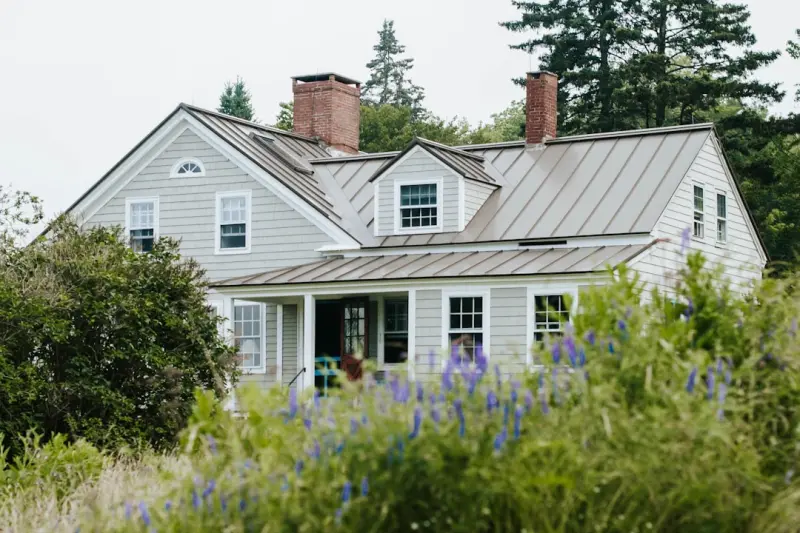
Pocket Greenhouses: Big Harvests From Tiny Spaces
Learn how to create a pocket greenhouse that maximizes limited outdoor space, offering continuous fr... Read More

How to Build a Low‑Maintenance Water Feature That Transforms Your Garden
Learn how to design, install, and maintain a low‑maintenance water feature that enhances your gard... Read More
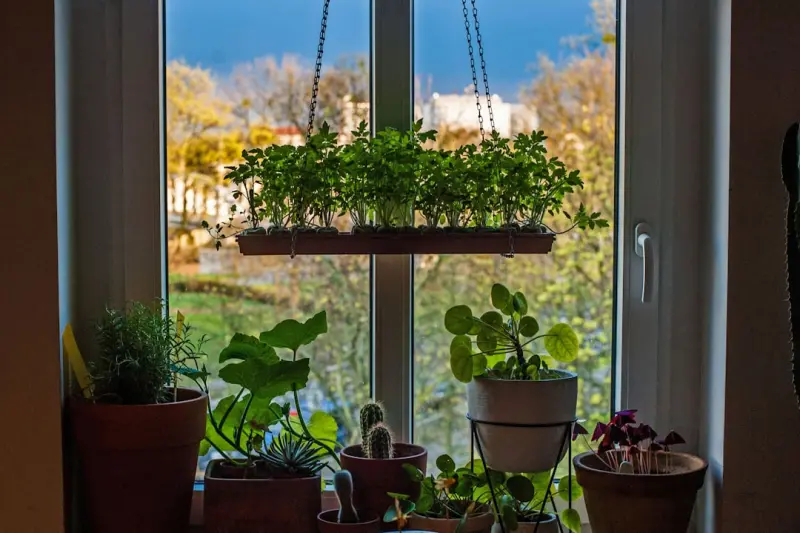
Harvesting Harmony: Designing an Edible Garden That Feeds Body and Soul
A step‑by‑step guide to building an edible garden that nourishes both body and mind, with tips o... Read More
Top Posts
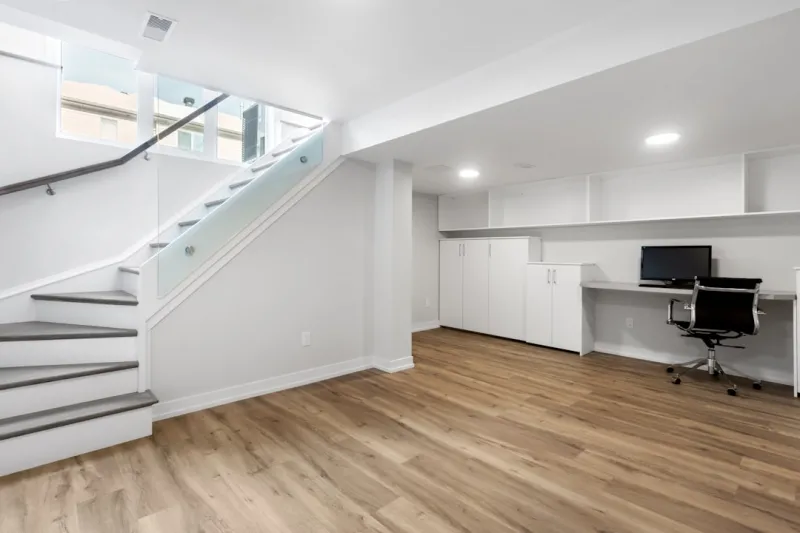
Unearthing Potential: A Paul Gray Guide to Basement Renovations
Transform your unused basement into valuable living space with this expert guide. Learn critical planning steps, structural considerations, design tips, and why...Read More

Roofing Reinvented: From Passive Shield to Intelligent Energy Platform
A modern roof can do far more than keep the elements out. By adding sensors, adaptive membranes, solar panels, and drone‑based inspections, owners turn roofs ...Read More
The Bathroom Renaissance: Turning Everyday Spaces into Wellness Sanctuaries
A bathroom can be more than a functional room; it can become a wellness sanctuary. This guide walks you through sensory design, circular‑economy materials, in...Read More
Revamping Your Bathroom: A Comprehensive Guide to Renovations
Revamp your bathroom with our comprehensive guide, covering planning, design, materials, and more. Learn how to create a stunning and functional space that meet...Read More
0 Comments
Post Comment
You will need to Login or Register to comment on this post!