

When Wallpaper Meets Technology: Interactive, Air‑Purifying, and Smart Solutions
It’s funny how the humble wall—something we barely think about once it’s up—has become the newest frontier for innovation. I’ve spent a decade swapping paint for paper, tearing down old patterns, and watching the market evolve from static florals to bold, textured prints. What’s shocking, however, is how the next wave isn’t about a new design trend at all. It’s about turning the very surface that frames our lives into an active, health‑focused, and even data‑driven partner.
In this piece I’m going to peel back the layers (pun intended) on three emerging categories that are reshaping wallpaper: interactive digital skins, air‑purifying bio‑based layers, and sensor‑embedded smart surfaces. Each of these brings a distinct set of benefits, challenges, and real‑world use cases that go well beyond the decorative role we’ve long assigned to wallcoverings.
1. Interactive Digital Skins – Walls That Play Along
Remember the first time you saw a wall that could change colour at the flick of a switch? Those were novelty prototypes in tech labs. Today, a handful of manufacturers are shipping ready‑to‑install panels that blend high‑resolution OLED or e‑ink displays with traditional wallpaper aesthetics. The result? A wall that can act as a digital canvas, a mood‑setting light source, or even a subtle heads‑up display for your smart home.
- Dynamic ambience: Imagine a living room that shifts from a calm, muted hue during a Netflix binge to a vibrant, energising spectrum when you start a workout. The wall itself becomes the lighting system, reducing the need for separate fixtures and cutting down on energy consumption.
- Brand storytelling: For boutique hotels or flagship retail spaces, an interactive wall can project rotating brand narratives, seasonal promotions, or even live social‑media feeds without the clutter of additional screens.
- Privacy on demand: A simple tap on a smartphone app can transform a transparent glass wall into an opaque, patterned surface, providing instant privacy without pulling down blinds.
These digital skins rely on low‑power, flexible circuitry that can be laminated between a printable surface and a protective film. The technology is still pricey, but the cost curve is following the same trajectory we saw with flat‑panel TVs: high‑end early adopters, followed by mass‑market affordability within a few years.
When evaluating an interactive wall, pay attention to three things: display resolution (you don’t need 4K for a wall that’s mostly a subtle colour wash), power consumption (look for models that can draw power from existing lighting circuits), and software ecosystem (open APIs let you integrate with existing home‑automation platforms).
2. Air‑Purifying Bio‑Based Layers – Turning Walls into Health Assets
Indoor air quality has become a hot topic in the wellness community, yet most homeowners focus on HVAC filters or portable purifiers. What if the walls themselves could capture pollutants, regulate humidity, and even release beneficial microbes?
Enter bio‑based wallpaper infused with photocatalytic titanium dioxide (TiO₂) nanoparticles, activated charcoal, and mycelium fibers. These ingredients work in tandem:
- TiO₂ reacts with indoor lighting to break down volatile organic compounds (VOCs) like formaldehyde, benzene, and even some airborne pathogens.
- Activated charcoal provides a passive adsorption surface, trapping odors from cooking, pets, or smoke.
- Mycelium fibers create a breathable, moisture‑regulating layer that can absorb excess humidity in winter and release it when the air gets dry, helping to maintain a balanced indoor climate.
Beyond health, these bio‑based walls contribute to a circular economy. Many of the substrates are made from agricultural waste—think rice husks or hemp hurds—turning what would be landfill into high‑value interior finishes. When it’s time to replace the wallpaper, the material can be composted or up‑cycled into new wallcoverings, reducing waste.
Practical considerations for a bio‑active wall include:
- Light exposure: Photocatalytic action needs UV or visible light; a wall in a dim hallway will be less effective. Pair it with daylight‑enhancing fixtures or place it in sun‑lit rooms.
- Maintenance: While the surface itself doesn’t require regular cleaning, dust can block the active sites. A light vacuum or damp wipe every few months keeps performance optimal.
- Certification: Look for third‑party validation (e.g., GreenGuard, Cradle‑to‑Cradle) to ensure the nanomaterials are safely bound and won’t release particles into the air.
3. Sensor‑Embedded Smart Surfaces – Data‑Driven Walls
If you’ve read about AI‑driven workflows reshaping design‑build pipelines, you’ll recognize a common thread: the push toward embedding intelligence directly into building components. Wallpaper is the latest canvas for this trend.
Sensor‑enabled wall panels can monitor a range of environmental variables—temperature, humidity, sound levels, even occupancy. The data streams feed into your home‑automation hub, allowing for real‑time adjustments:
- Thermal regulation: A wall that senses a drop in room temperature can trigger under‑wall heating panels or adjust the thermostat, ensuring comfort without over‑heating.
- Acoustic optimization: By measuring ambient noise, the wall can activate a subtle, variable‑density acoustic layer (think of it as a smart foam) to dampen echoes during conference calls.
- Security alerts: Sudden pressure changes or vibrations can indicate a break‑in, prompting immediate notifications.
What makes this feasible today is the miniaturisation of flexible printed circuit boards (FPCBs) that can be laminated directly onto wallpaper substrates. The power draw is minuscule—often harvested from ambient light or low‑voltage wiring—so retrofitting older homes is realistic.
When choosing a sensor‑rich wall covering, verify:
- Interoperability: Does it speak Zigbee, Thread, or Matter? A standards‑based protocol ensures you’re not locked into a single vendor.
- Data privacy: Look for edge‑processing capabilities that keep raw sensor data on the device rather than streaming everything to the cloud.
- Installation simplicity: Some products ship as a “roll‑and‑stick” system with pre‑wired connectors, making DIY installation possible for the confident homeowner.
Putting It All Together: A Holistic Wall Strategy
Most projects won’t need to adopt all three technologies at once. A pragmatic approach is to start with the core function you want to enhance and layer additional capabilities as budget and design allow.
- Define the goal: Is the primary driver health, aesthetics, or data?
- Map the space: High‑traffic areas benefit from durable, easy‑clean surfaces; private rooms can host more delicate, sensor‑rich panels.
- Integrate with existing systems: Pair your interactive wall with a smart‑light controller, or link an air‑purifying wallpaper to your HVAC’s ventilation schedule.
- Future‑proof: Choose products that support firmware updates or modular upgrades. The wall you install today could host a new sensor module in two years without a full replacement.
From a design perspective, you can still maintain a cohesive aesthetic. Many manufacturers now offer “tech‑friendly” collections that mimic traditional textures—linen, grasscloth, geometric prints—while hiding the electronics beneath. This means you won’t sacrifice style for function; instead, you gain a seamless blend of both.
Case Study: A Home Office Transformation
One of my recent clients—a freelance software architect—was struggling with three issues: visual fatigue from harsh office lighting, a lingering smell from a nearby kitchen, and inconsistent Wi‑Fi signal strength caused by wall interference.
We implemented a three‑pronged wallpaper solution:
- Interactive LED‑backlit panels that adjusted colour temperature throughout the day, easing eye strain.
- Charcoal‑infused bio‑wallcovering on the side facing the kitchen, which absorbed cooking odors and regulated humidity.
- Mesh‑network sensor strips embedded in the upper third of the wall, feeding signal strength data to a smart router that repositioned its antennas automatically.
The result? A 30 % reduction in reported eye fatigue, a noticeably fresher room scent, and a stable Wi‑Fi connection without the need for a range extender. The client now boasts a “wall‑driven productivity hub” that he proudly showcases in his virtual meetings.
Looking Ahead: What Will Walls Look Like in the Next Decade?
While today’s smart wallpapers are still niche, the trajectory points toward fully adaptive façades that can respond to external climate, occupant behaviour, and even digital content streams. Think of a wall that, on a rainy day, subtly projects a calming waterfall animation while simultaneously releasing a gentle, negative‑ion breeze to improve mood.
In the long term, I anticipate three converging trends:
- Integration with renewable energy: Flexible solar cells woven into wallpaper could power low‑energy sensors or decorative LEDs, creating a net‑zero wall.
- Biophilic data surfaces: Walls that display real‑time indoor plant health metrics, encouraging occupants to nurture living décor.
- Modular wall ecosystems: Interchangeable “tiles” that combine texture, colour, and function, allowing homeowners to reconfigure spaces without demolition.
These concepts may sound like sci‑fi, but the building‑tech ecosystem is moving faster than most of us realise. By the time the next design‑build software release rolls out new adaptive architecture modules, the average homeowner will already have a wall that can talk back.
Getting Started: Practical First Steps
If you’re intrigued but unsure where to begin, here’s a quick checklist to help you launch a smart‑wall project:
- Audit your walls: Identify the surfaces that get the most traffic and those that are less visible. Prioritise high‑impact areas for technology upgrades.
- Set a budget tier: Interactive digital skins start higher, while bio‑active and sensor‑embedded options can be more cost‑effective in phased rollouts.
- Consult a specialist: Look for installers with experience in both traditional wallpaper and low‑voltage electronics. A mis‑wired wall can cause more headaches than benefits.
- Prototype a sample: Order a small swatch or a single panel and test it for durability, colour fidelity, and performance over a month.
- Plan for future upgrades: Choose products with modular connectors so you can add new sensors or replace the visual layer without tearing down the entire wall.
In the end, the wall is the canvas we all live against. By embracing these emerging technologies, you’re not just decorating—you’re creating an active participant in your home’s health, comfort, and digital ecosystem.

Paul Gray is a dynamic blogger based in Brampton, where he shares his life with his amazing wife, Sarah. Known for his engaging writing style and relatable insights, Paul has carved out a niche in the blogging world that resonates with readers from all walks of life. When he's not crafting captivating posts, you can find him savoring a cold beer or indulging in the latest blockbuster movie. With a friendly demeanor and a passion for storytelling, Paul brings a unique perspective to his work, making him not just a blogger, but a voice for those who appreciate the simple joys of life.
Related Posts

Smart Wallpaper: Sustainable Patterns & Personalization
Wallpaper is evolving from a decorative afterthought into a strategic, tech‑enabled surface that o... Read More
Beyond Paint: How Modern Wallpaper Elevates Home Functionality
Explore the rise of functional wallpaper—sound‑absorbing, sustainable, and tech‑ready solution... Read More
Why Texture‑Driven Wallpaper Is the Quiet Powerhouse of Modern Offices
A deep dive into how tactile, performance‑focused wallpaper transforms offices by improving sound ... Read More
Top Posts
Why Duct Cleaning Should Be a Cornerstone of Your Facility’s Maintenance Strategy
Regular duct cleaning is more than a cleaning chore—it’s a strategic maintenance move that boosts indoor air quality, reduces energy consumption, and protec...Read More
Why Duct Cleaning Is the Unsung Hero of Home Performance
A clean duct system is essential for healthy indoor air, lower energy costs, and environmental sustainability. This post explores why ducts matter, modern predi...Read More
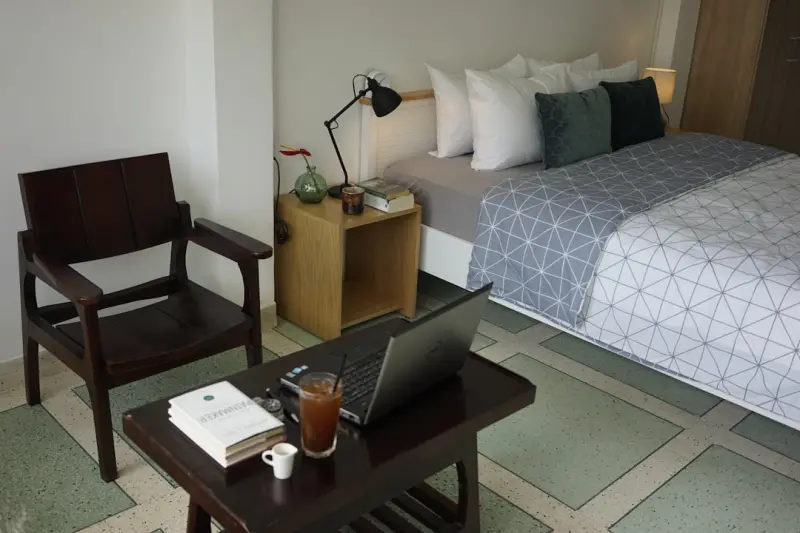
How to Build a Flexible Guest Suite That Grows With Your Family
A practical roadmap for homeowners who want a guest suite that can serve as a home office, rental unit, or multigenerational space, without breaking the bank or...Read More

Intelligent Paint: How High‑Tech Coatings Are Changing the Way We Color Our Homes
Modern paint is evolving into a high‑tech platform that improves indoor air quality, reduces energy use, and offers dynamic aesthetics. This post breaks down ...Read More
0 Comments
Post Comment
You will need to Login or Register to comment on this post!