
Why a DIY Repair Mindset Saves More Than Money
Every homeowner hits that moment when a drip, a creak, or a cracked tile demands attention, and the impulse to call a professional kicks in. I’ve learned over a decade of hands‑on projects that the confidence to diagnose and fix minor issues not only protects your budget but also builds a deeper connection to the space you live in. Embracing a DIY repair mindset means you’re less likely to let small problems snowball into costly emergencies, and you get the satisfaction of turning a nuisance into a quick win.
Start With the Right Toolkit
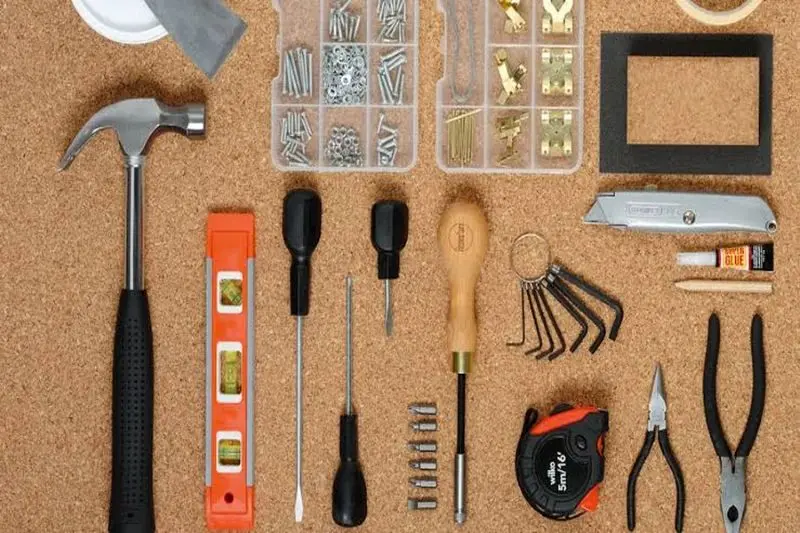
The foundation of any successful repair is a well‑stocked, organized toolbox. I keep a compact set of essentials—adjustable wrenches, a cordless drill, a multi‑bit screwdriver, pliers, a utility knife, and a sturdy tape measure—so I never scramble for the right piece when a leak appears under the sink. Adding a few specialty items such as a pipe threader, a silicone sealant gun, and a small set of finishing nails expands your reach without overwhelming the shelf. By investing in quality tools once, you avoid the recurring expense of cheap replacements that break at the first sign of stress.
Diagnosing the Problem Before You Dive In
Before you unscrew a faucet or pry at a wall, take a systematic approach to pinpoint the root cause. I start by observing the symptom—does the water drip steadily, or is it a periodic spray? Then I trace the path: is the faucet itself leaking, or could the supply line be the culprit? For structural noises, I locate the exact spot where the creak emanates and press gently to feel for loosened screws or warped wood. This methodical diagnosis saves time, prevents unnecessary demolition, and ensures you’re addressing the real issue rather than a symptom.
Tackling the Most Common Repairs
Below are three everyday repairs that every DIY enthusiast should master, each with a clear, step‑by‑step process that fits into a weekend afternoon. The goal is to equip you with repeatable routines so you can move from “I don’t know how” to “I’ve done this before” with confidence.
Fixing a Leaky Faucet
A dripping faucet isn’t just a nuisance; it can waste gallons of water and raise your utility bill. Begin by turning off the water supply under the sink and covering the drain to prevent small parts from falling in. Disassemble the handle using an Allen key, replace the worn O‑ring or cartridge—most hardware stores carry universal kits—and reassemble, tightening each component just enough to avoid overtightening that could strip threads. A quick test with the water turned back on should reveal a silent, efficient flow.
Silencing a Squeaky Door
Squeaks often signal loose hinges or dry wood, both easy fixes with a few minutes of work. First, locate the noisy hinge and apply a lubricant like WD‑40 or a dab of petroleum jelly; the sound should subside instantly. If the squeak persists, remove the hinge pins with a hammer and tap, then clean out any debris before re‑inserting them. For older doors, a thin brush of graphite powder on the moving parts can provide long‑lasting silence without attracting dust.
Repairing Small Wall Cracks
Hairline cracks in drywall can look unsightly, but they’re usually superficial and fixable with a simple patch. I start by widening the crack slightly with a utility knife to create a V‑shaped groove, then apply a thin layer of joint compound, smoothing it with a putty knife. After it dries, a second coat blends the repair into the surrounding wall, and a light sanding prepares the surface for paint. For a deeper dive into finishing techniques, check out our drywall finishing guide for pro‑level tips.
Reusing Materials: The Eco‑Smart Repair Strategy
One of the smartest ways to keep costs down and reduce waste is to repurpose materials you already have on hand. Old tiles, for instance, can be cut into mosaics to fill a chipped spot on a floor or backsplash, giving the area a custom look without purchasing new stock. When tackling a damaged tile, I first remove the broken piece, clean the substrate, and set a new tile using thin‑set mortar—then I blend the edges with the surrounding pattern. For detailed guidance on tile preparation and long‑lasting installation, our tile mastery resource offers step‑by‑step instructions that even beginners can follow.
Building a Seasonal Repair Calendar
Proactive maintenance beats reactive firefighting every time. I draft a simple calendar that assigns a handful of tasks to each season—checking pipe insulation before winter, resealing exterior caulk in spring, tightening deck bolts in summer, and cleaning dryer vents in fall. By spreading the workload throughout the year, you avoid the stress of a massive, unexpected overhaul and keep your home operating efficiently. Mark each task with a checkbox in a notebook or a phone reminder, and treat it like a small project you can complete in an afternoon.
Final Thoughts: From Panic to Practicality
Transitioning from “I hope this never happens” to “I have a plan for it” is the hallmark of a confident homeowner. By curating a reliable toolkit, mastering a few core repair techniques, and embracing a habit of seasonal checks, you’ll find that many household hiccups become manageable, low‑stress events. Remember, the goal isn’t to become a master carpenter overnight, but to build a toolbox of knowledge that lets you address common issues quickly, safely, and economically. Keep experimenting, stay curious, and let each fix reinforce the idea that your home is a project you’re fully capable of guiding.

Tom Ferguson is a Canadian freelance writer with a passion for storytelling, current events, and thoughtful commentary. Drawing on years of writing experience, he shares engaging insights on a wide range of topics, bringing a uniquely Canadian perspective to his work.
Related Posts
Seal the Gaps: DIY Insulation Hacks for a More Efficient Home
Learn practical, step‑by‑step DIY insulation projects—from attic blankets to wall gap sealingâ... Read More

DIY Home Repairs: Sustainable Solutions From a Veteran Contractor
Discover practical, sustainable DIY repair strategies that combine cost‑saving techniques with eco... Read More

Breathing New Life into Your Home: Sustainable DIY Repair Tips
Learn how to approach DIY home repairs with an eco-friendly mindset and discover sustainable tips an... Read More
Top Posts

The Hidden ROI of Upgrading Your Garage Door: Value, Safety, and Lifestyle Boosts
Learn why a garage door upgrade is more than curb appeal—it saves energy, improves security, and raises resale value, with smart‑tech tips and design ideas....Read More

Bathroom Renovations: Where Function Meets Fashion
Bathroom renovations can be a complex and challenging process, but with the right approach, you can create a space that's both beautiful and functional. Learn h...Read More

Crafting a Welcoming Entryway: Practical Tips for a Functional First Impression
Discover a step‑by‑step guide to redesigning your entryway, focusing on decluttering, smart storage, lighting, air quality, and personal touches that make a...Read More

Why Permeable Paving Is the Future of Home Driveways
Explore how permeable paving turns ordinary driveways into sustainable assets, cutting runoff, lowering temperatures, and enhancing curb appeal with smart, ecoâ...Read More
0 Comments
Post Comment
You will need to Login or Register to comment on this post!