
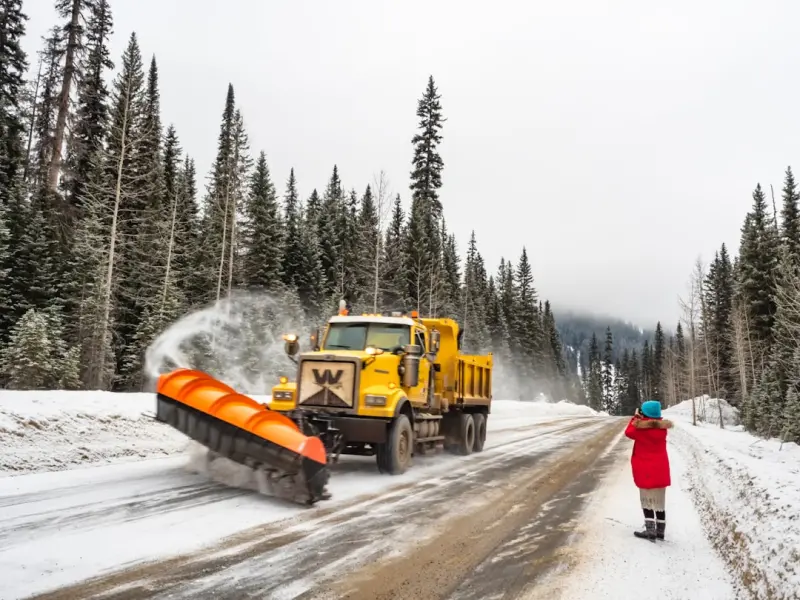
Why Guesswork Doesn’t Cut It in Winter
Every winter homeowner or property manager learns the hard way that reacting to a snowstorm after it lands is a recipe for wasted time, inflated fuel bills, and slippery hazards that could have been avoided with a little foresight; the old habit of “wait‑and‑see” often leads to rushed shoveling, missed appointments, and a frantic scramble for equipment when the ground is already a slick sheet of ice. Data‑driven planning changes that narrative by turning weather forecasts, historic snowfall records, and property‑specific variables into actionable schedules that can be programmed days in advance, allowing crews to allocate resources before the first flakes touch the driveway. When you replace speculation with measurable inputs, you also create a repeatable process that scales from single‑family homes to multi‑unit complexes, ensuring that each snow event is met with a calibrated response rather than an emergency scramble.
Harvesting the History of Snowfall for Your Property
The first step in building a reliable snow removal plan is to dig into the past, collecting at least five years of local snowfall totals, accumulation timing, and melt patterns from municipal weather stations or reputable climate databases; this historical baseline reveals the typical volume you can expect each month, the days when snow tends to linger, and the thresholds that historically trigger ice formation on sidewalks. By charting these trends in a simple spreadsheet, you can calculate average daily inches, identify peak weeks, and even spot outlier years that required extra attention, giving you a statistical cushion that informs everything from equipment size to labor hours. Pairing this archive with the sustainable snow removal tactics you’ve already adopted ensures that your strategy respects both efficiency and environmental stewardship.
Real‑Time Forecasts as a Trigger Engine
While historic data sets the stage, the real magic happens when you feed live weather feeds into your schedule, allowing you to react to evolving conditions with pinpoint accuracy; modern APIs from national meteorological services deliver hyper‑local snowfall predictions, temperature swings, and wind gusts that can be queried every few minutes, creating a dynamic dashboard that flags when accumulation exceeds your pre‑defined threshold. Integrating these feeds with automated alerts—whether via text, email, or a simple push notification—means that the moment a storm is expected to dump more than two inches in a short window, your crew receives a heads‑up and can mobilize before the first shovel hits the ground. This proactive stance not only reduces the total time spent on each event but also mitigates the risk of ice bonding, which often occurs when snow sits undisturbed for an hour or more.
Prioritizing Assets with a Simple Matrix
Not every surface on a property demands equal attention; by assigning a priority score based on factors such as traffic volume, safety impact, and legal liability, you can create a matrix that tells you which driveways, ramps, or walkways get cleared first, which can wait, and which may need a different treatment altogether; for example, a commercial loading dock that sees heavy truck traffic earns a higher score than a seldom‑used garden path, while a stairwell serving an elderly resident might be flagged for immediate attention regardless of snowfall depth. This scoring system, once embedded in your scheduling tool, automatically generates a route map that optimizes travel distance and equipment usage, turning what could be a chaotic, ad‑hoc effort into a streamlined, purpose‑driven operation. The matrix also provides a transparent rationale you can share with tenants or stakeholders, reinforcing that the allocation of resources is grounded in safety and fairness rather than arbitrary choice.
Synchronizing Equipment and Crew Availability
Once you know what needs to be cleared and when, the next logical step is to align the right tools and personnel to the job, a process that becomes remarkably efficient when you maintain a live calendar of equipment status, fuel levels, and crew shift patterns; a simple cloud‑based scheduling platform can display which snowblowers are serviced, which trucks are fully loaded, and which operators are on‑call, allowing you to match capacity to demand with a few clicks. By pre‑assigning crews to specific priority zones based on skill level and proximity, you reduce the time spent coordinating on the ground, eliminate duplicate dispatches, and ensure that high‑risk areas receive the most experienced hands. The result is a tighter, more predictable workflow where the only variable left to the whims of nature is the amount of snowfall itself.
Communicating the Plan to Residents and Neighbors
Transparency builds trust, especially when winter conditions force inconvenient timing, so sharing your data‑driven schedule with occupants via a dedicated portal or weekly email keeps everyone in the loop about when and where clearing will occur, what areas are considered high priority, and how they can assist by moving vehicles or reporting hidden ice patches; this collaborative approach not only reduces surprise calls but also empowers residents to take minor preventive actions that complement professional efforts. Including a brief FAQ that explains the routine maintenance benefits of regular snow removal helps demystify the process and underscores the long‑term savings from avoiding slip‑and‑fall claims. When people understand the logic behind the schedule, they’re more likely to respect temporary lane closures and appreciate the proactive steps you’re taking to keep the property safe.
Budgeting with Predictive Cost Modeling
One of the most compelling reasons to adopt a data‑centric snow removal plan is the ability to forecast expenses with far greater precision, turning an unpredictable seasonal outlay into a line item you can allocate months in advance; by multiplying the average daily snowfall from your historic analysis by the known fuel consumption rates of your equipment, and then applying labor rates based on crew hours derived from your priority matrix, you generate a realistic cost model that can be adjusted as real‑time forecasts shift the workload up or down. This model also reveals hidden efficiencies, such as the savings realized by consolidating trips to high‑priority zones before moving to lower‑priority areas, or the reduced wear on machinery when you avoid unnecessary idle running. Armed with these numbers, you can negotiate fair contracts with subcontractors, set appropriate reserve funds, and even explore insurance discounts for demonstrable risk mitigation.
Review, Refine, and Future‑Proof Your Strategy
After each winter season, the true test of a data‑driven snow removal system is its ability to learn and improve, so conducting a post‑mortem review that compares projected versus actual snowfall, response times, and incurred costs provides the feedback loop needed to fine‑tune thresholds, adjust priority scores, and upgrade the technology stack if necessary; this iterative process ensures that the next year’s plan is not a repeat of the last but an evolution that incorporates new climate trends, equipment upgrades, and stakeholder feedback. Looking ahead, emerging tools such as machine‑learning prediction models and connected IoT sensors embedded in snow piles can further automate decision‑making, delivering hyper‑accurate alerts that pre‑empt even the briefest flurries. By committing to continual refinement, you not only keep your property safe and your budget under control, but you also position yourself as a forward‑thinking steward of winter resilience, ready for whatever the season throws your way.

Craig Brett is a freelancer with a passion for the outdoors. His love for nature inspires his work, bringing authentic and engaging perspectives to projects related to outdoor activities, adventure, and environmental topics.
Related Posts

From Snowpiles to Smart Ops: Rethinking Winter Groundskeeping
Learn how to turn winter snow management into a strategic, data‑driven operation using sensors, pr... Read More
How AI Is Redefining Snow Removal for Modern Enterprises
Snow removal is evolving from a seasonal chore into a data‑driven, strategic operation. Learn how ... Read More
Community Snow Removal Networks: Turning Winter Chaos into Neighborhood Advantage
Learn how a community snow removal network leverages shared resources, smart data, and eco‑friendl... Read More
Top Posts

Beyond Temperature: Harnessing Predictive HVAC for Business Agility
Predictive HVAC shifts climate control from reactive to proactive, using sensors and AI to cut energy costs, improve comfort, and enhance building resilience....Read More

Designing a Nighttime Garden Oasis: Light, Scent, and Serenity
Explore how to transform your outdoor space into a night‑time oasis using reflective foliage, gentle lighting, scented walks, and eco‑friendly techniques....Read More

Beyond Stains: A Strategic Approach to Carpet Care in Modern Workplaces
Carpet cleaning often falls off the executive radar, yet it directly influences air quality, energy costs, and employee satisfaction. This article outlines a da...Read More

Flooring as a Hidden Engine for Health, Productivity, and Sustainability
Explore how flooring can enhance indoor health, improve workplace productivity, and support sustainability through antimicrobial finishes, acoustic underlayment...Read More
0 Comments
Post Comment
You will need to Login or Register to comment on this post!