
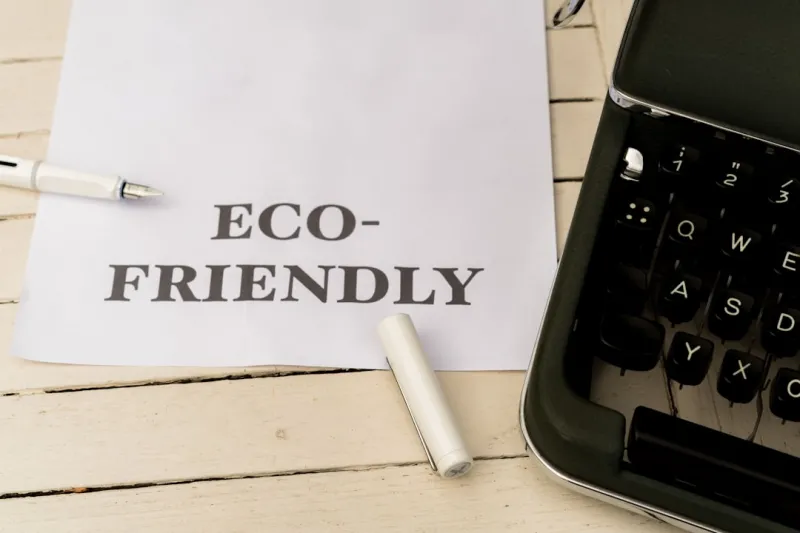
The Rise of Eco-Friendly Drywalling: A Sustainable Future for Home Renovations
As a seasoned drywalling expert, I've witnessed the industry undergo significant transformations over the years. One trend that's gaining traction is the shift towards eco-friendly drywalling practices. Homeowners are becoming increasingly environmentally conscious, and it's not just about reducing energy consumption or using sustainable materials. The drywalling process itself can have a substantial impact on the environment, and it's time we acknowledge this.
Traditionally, drywalling involves using gypsum-based products, which are abundant and relatively inexpensive. However, the production process and disposal of these materials can be detrimental to the environment. The mining and processing of gypsum, for instance, can lead to soil erosion, water pollution, and habitat destruction. Furthermore, the transportation of these heavy materials contributes to greenhouse gas emissions. As the construction industry continues to grow, it's essential that we adopt more sustainable practices to minimize our ecological footprint.
The Benefits of Eco-Friendly Drywalling
So, what are the benefits of eco-friendly drywalling? For starters, it reduces waste and minimizes the environmental impact of the drywalling process. By using recycled materials, such as recycled drywall, we can significantly decrease the amount of waste sent to landfills. Additionally, eco-friendly drywalling promotes healthier indoor air quality. Traditional drywalling materials can contain volatile organic compounds (VOCs) and other pollutants that can aggravate respiratory issues. Eco-friendly alternatives, on the other hand, are made from natural, non-toxic materials that promote a healthier living environment.
Sustainable general contracting is a related field that's also gaining momentum. By incorporating eco-friendly practices into the drywalling process, contractors can offer a more comprehensive approach to sustainable home renovations.
Sustainable Drywalling Materials
So, what are some sustainable drywalling materials available in the market? One option is recycled drywall, which is made from post-consumer waste. This material reduces the need for virgin gypsum and decreases waste sent to landfills. Another option is natural fiber-based drywall, made from materials like hemp, bamboo, or straw. These materials are biodegradable, non-toxic, and require less energy to produce.
When it comes to choosing sustainable drywalling materials, it's essential to consider factors like durability, performance, and cost-effectiveness. Homeowners want to ensure that their eco-friendly drywalling solution doesn't compromise on quality or aesthetics. As a drywalling expert, I always recommend assessing the project's specific requirements and selecting materials that meet those needs while minimizing environmental impact.
The Role of Technology in Sustainable Drywalling
Technology is playing a significant role in promoting sustainable drywalling practices. Advanced manufacturing processes are enabling the production of eco-friendly drywalling materials that are both high-performance and environmentally friendly. For instance, some manufacturers are using innovative production methods that reduce energy consumption and emissions.
Moreover, digital tools and software are streamlining the drywalling process, reducing waste, and improving accuracy. By leveraging these technologies, contractors can optimize their workflow, minimize errors, and ensure that projects are completed on time and within budget. As the construction industry continues to evolve, it's essential that we stay up-to-date with the latest technological advancements and best practices.
Challenges and Opportunities
While the shift towards eco-friendly drywalling is promising, there are still challenges to overcome. One of the primary concerns is the higher upfront cost of sustainable materials. However, as demand increases and economies of scale are achieved, prices are likely to decrease. Another challenge is the lack of awareness and education among homeowners and contractors. Many are still unaware of the benefits and availability of eco-friendly drywalling materials and practices.
Despite these challenges, I believe that the opportunities far outweigh the obstacles. By embracing eco-friendly drywalling practices, we can create a more sustainable future for the construction industry. As a drywalling expert, I'm committed to promoting sustainable practices and educating homeowners and contractors about the benefits of eco-friendly drywalling.
Conclusion
The rise of eco-friendly drywalling is a trend that's here to stay. As homeowners become increasingly environmentally conscious, it's essential that we adapt to this shift and promote sustainable practices. By using recycled materials, natural fiber-based products, and leveraging technology, we can minimize the environmental impact of the drywalling process.
Sustainable home additions are another area where eco-friendly drywalling practices can be applied. By incorporating sustainable materials and practices into home additions, homeowners can create a more environmentally friendly living space.
As the construction industry continues to evolve, I believe that eco-friendly drywalling will play a critical role in shaping the future of home renovations. By working together, we can create a more sustainable, environmentally conscious industry that benefits both our planet and our communities.
Final Thoughts
In conclusion, eco-friendly drywalling is not just a trend; it's a necessary step towards creating a more sustainable future. As a drywalling expert, I'm committed to promoting sustainable practices and educating homeowners and contractors about the benefits of eco-friendly drywalling. By embracing this shift, we can create a healthier, more environmentally friendly living space for generations to come.
Sustainable property maintenance is an essential aspect of homeownership, and eco-friendly drywalling practices are an integral part of this process. By prioritizing sustainability and eco-friendliness, we can create a better future for ourselves and our planet.
The drywalling industry has a significant role to play in reducing our environmental footprint. As a drywalling expert, I urge homeowners and contractors to join me in embracing eco-friendly drywalling practices and creating a more sustainable future for our industry.
Additional Resources
If you're interested in learning more about eco-friendly drywalling practices, I recommend checking out the following resources:
- The United States Environmental Protection Agency (EPA) provides guidelines and resources for sustainable building practices, including eco-friendly drywalling.
- The National Association of Home Builders (NAHB) offers a range of resources and guidance on sustainable building practices, including drywalling.
- The Drywall and Interior Systems Contractors Association (DISCA) provides information and resources on sustainable drywalling practices and products.
By working together and leveraging these resources, we can create a more sustainable future for the drywalling industry and promote eco-friendly practices that benefit both our planet and our communities.

William Roy is a freelance writer originally from Montreal who moved to Ottawa with his wife of 50 years to be closer to their grandkids. Alongside his writing, William has a passion for fishing.
Related Posts
Drywalling Secrets: Sustainable Strategies Every Renovator Should Know
Learn how smart drywall choices, low‑VOC materials, and efficient installation techniques create s... Read More
Paul Gray’s Green Guide to Eco‑Friendly Drywalling: From Sheet to Finish
Paul Gray shares his step‑by‑step sustainable drywalling process, from selecting recycled gypsum... Read More
Mastering Modern Drywall: From Sustainable Boards to Acoustic Perfection
Learn how to choose eco‑friendly drywall, integrate acoustic solutions, and future‑proof walls w... Read More
Top Posts
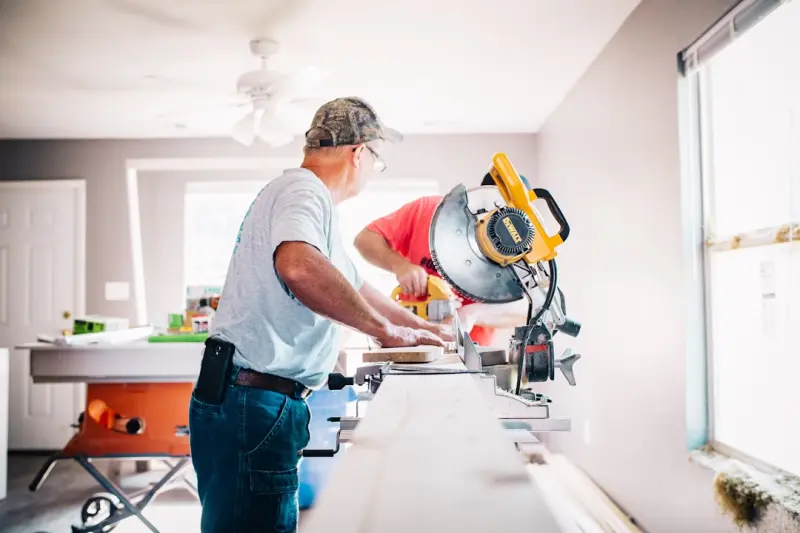
Invisible Wins: Small DIY Repairs That Save Money and Boost Comfort
Learn how simple, often overlooked fixes—from draft‑proofing doors to sealing drywall cracks—can dramatically improve comfort, reduce utility bills, and k...Read More
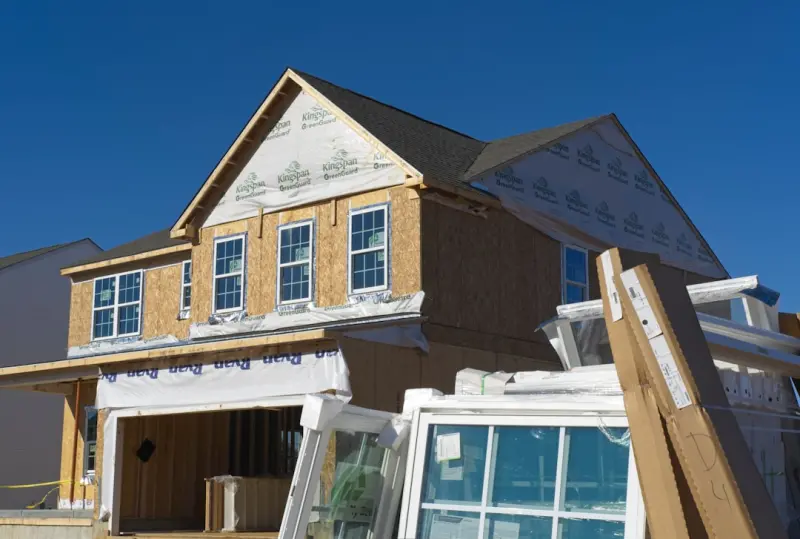
Building Tomorrow’s Homes: Harnessing Prefab Panels for Faster, Cleaner Construction
Prefabricated structural panels are transforming home building by slashing construction time, boosting quality, and reducing waste. Learn how this technology of...Read More
Smart Tree Care: Turning Canopies into Data‑Driven Assets
Learn how integrating smart sensors, predictive analytics, and maintenance dashboards turns tree care from a reactive task into a data‑driven strategy that sa...Read More

The Ultimate Renovation Checklist: From Vision to Victory
A comprehensive renovation checklist walks you through defining your vision, budgeting, permits, contractor selection, timeline, material sourcing, waste manage...Read More
0 Comments
Post Comment
You will need to Login or Register to comment on this post!