
Why I’m Obsessed With the New Wave of Tiling
Every time I step into a freshly tiled kitchen or bathroom, I feel a rush of excitement that’s equal parts design triumph and ecological relief, because the surfaces we choose today can either trap heat and waste resources or become silent ambassadors of sustainability. Over the past few years I’ve watched homeowners shift from cheap, high‑gloss ceramics to thoughtful, low‑impact options that respect both aesthetic ambition and the planet’s limits, and that shift is what fuels my daily research and hands‑on experiments. In this post I’m pulling back the curtain on the trends that are redefining tile work, the green credentials that matter, and the practical steps you can take right now to make your next project a win for style and the environment.
Redefining “Sustainable Tiling” With Real‑World Impact
The phrase sustainable tiling has become a buzzword, but its true power lies in the measurable reductions in carbon emissions, water usage, and landfill waste that come from smarter material selection and smarter installation practices. When I compare a conventional porcelain slab produced in a distant factory to a locally sourced recycled‑glass tile made from post‑consumer bottles, the difference in embodied energy is staggering—often a 30‑40% drop in the total carbon footprint of the finished floor. Homeowners who prioritize these choices not only lower their environmental impact but also often enjoy longer‑lasting surfaces that require fewer replacements, creating a virtuous cycle of durability and responsibility.
Material Innovations That Are Changing the Game
One of the most exciting developments I’ve seen is the rise of high‑performance porcelain that mimics natural stone while demanding far less water and energy during its production, thanks to advanced kiln technologies that recycle heat and cut emissions. Equally compelling are the emerging recycled‑glass mosaics that turn everyday waste into vibrant, slip‑resistant surfaces perfect for showers and pool decks, and the bio‑based tiles made from agricultural fibers that blend organic aesthetics with structural integrity. By embracing these alternatives, you can achieve the same visual drama as classic marble or slate without the hidden environmental costs that come with quarrying and long‑distance shipping.
Design Trends: From Bold Geometry to Subtle Matte Finishes
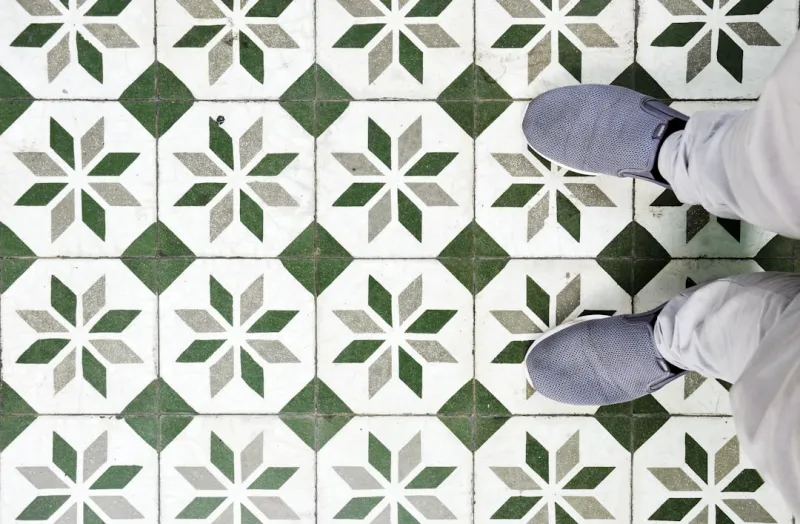
The visual language of tile is evolving rapidly, with large‑format panels that create seamless, spacious looks dominating open‑plan homes, while geometric patterns in muted earth tones provide a tactile richness that feels both modern and grounded. Matte finishes are overtaking high‑gloss surfaces because they hide fingerprints, reduce glare, and pair naturally with the understated palettes favored by eco‑conscious designers. I’ve personally installed a series of 24‑inch matte porcelain sheets in a client’s living area, and the result was an expansive, calming backdrop that emphasized natural light without the harsh reflections that can make a room feel clinical.
Installation Techniques That Cut Waste and Labor
Traditional thin‑set methods often lead to excess adhesive waste and uneven sub‑floors, but newer floating‑lock systems allow tiles to interlock without mortar, dramatically reducing material use and speeding up the job timeline—an advantage for both DIY enthusiasts and professional crews. I’ve experimented with these systems on several renovation projects, and the precision fit not only minimizes grout lines but also creates a level surface that resists cracking under foot traffic. For those who still prefer traditional methods, consider low‑VOC adhesives and reusable spacers, and don’t forget to check out Handyman Hacks: Sustainable Fixes That Save Money and the Planet for clever tips on reducing waste during the installation phase.
Maintenance Mastery: Keeping Tiles Pristine and Green
Longevity is the ultimate sustainability metric, and the best way to protect your investment is through routine, eco‑friendly maintenance that avoids harsh chemicals and excessive water use. A simple solution of diluted white vinegar and warm water can dissolve grime on most ceramic and porcelain surfaces, while a microfiber mop ensures you capture rather than spread debris, extending the life of the grout. When sealants are required, choose water‑based, low‑VOC products that cure quickly and release fewer fumes; for a deeper dive into green upkeep, see Sustainable Property Maintenance: Green Strategies That Save Money and Preserve Your Home for a comprehensive checklist.
Connecting Tile With Broader Green Home Strategies
Tile work doesn’t exist in isolation; it interacts with surrounding systems like drainage, heating, and outdoor pathways, so aligning your flooring choices with larger sustainability goals amplifies the overall benefit. For example, pairing a radiant‑floor heating system with high‑thermal‑mass stone or porcelain tiles maximizes energy efficiency, while using permeable pavers on exterior patios ensures water runoff is managed responsibly. I often recommend clients integrate their indoor tiling projects with eco‑friendly hardscape solutions such as those highlighted in Green Paving: Building Sustainable Driveways and Walkways for the Modern Home, creating a cohesive aesthetic that extends the green narrative from inside to outside.
Budget‑Friendly Paths to High‑Impact Tiling
Going green doesn’t have to break the bank; the key is strategic sourcing, thoughtful design, and phased implementation that spreads costs over time while delivering immediate visual upgrades. Look for reclaimed or surplus tiles from demolition sites—many suppliers offer these at a fraction of the price and they often carry unique patinas that add character. Additionally, opting for larger format tiles can reduce the number of grout lines, meaning less material and labor expense, while still delivering a high‑end look. By planning a phased rollout—starting with high‑traffic zones like kitchens and bathrooms—you can reap the sustainability and aesthetic rewards early, then expand to less critical areas as your budget allows.
Final Thoughts: Your Tile Project as a Statement of Values
When you choose tile, you’re selecting more than a surface; you’re declaring a set of values that prioritize durability, beauty, and planetary health, and the market is finally giving you the tools to make that declaration with confidence. Whether you gravitate toward recycled glass mosaics, embrace matte porcelain panels, or experiment with innovative installation systems, every decision contributes to a larger story of responsible homebuilding that I’m proud to be part of. So the next time you stand in a showroom or scroll through design inspiration feeds, remember that the right tile can transform a room, reduce your carbon footprint, and showcase your commitment to a greener future—one square foot at a time.

Tom Ferguson is a Canadian freelance writer with a passion for storytelling, current events, and thoughtful commentary. Drawing on years of writing experience, he shares engaging insights on a wide range of topics, bringing a uniquely Canadian perspective to his work.
Related Posts
Turning Floor Tiles into Data‑Driven Assets for Smarter Facilities
Smart tiling turns floors into data hubs, offering predictive maintenance, space utilization analyti... Read More
From Floor to Facade: Rethinking Tile as a Strategic Asset
Tiles are more than just flooring—they’re a strategic tool for brand storytelling, acoustic impr... Read More
Tiles as Storytellers: Turning Floors and Walls into Narrative Canvases
Explore the art of tiling beyond function—learn to choose materials, master layouts, integrate tec... Read More
Top Posts

Resilient Roofing: Smart Materials, Sensors, and Sustainable Designs
Explore cutting‑edge roofing solutions—from impact‑resistant shingles to smart sensors and green roofs—that boost durability, lower energy costs, and fu...Read More
The Critical Role of Sustainable Practices in Home Inspections
Sustainable practices play a critical role in home inspections, enabling homeowners to identify opportunities to improve the eco-friendliness of their property ...Read More

The Strategic Edge of Proactive Carpet Care in Modern Offices
A deep dive into why carpet hygiene matters for office health, productivity, and brand perception, featuring data‑driven methods, smart sensor integration, an...Read More

Awning Mastery: Turning Shade into Sustainable Comfort
Explore the transformative power of awnings—from energy savings and smart automation to eco‑friendly materials and design harmony—turning any patio into a...Read More
0 Comments
Post Comment
You will need to Login or Register to comment on this post!