
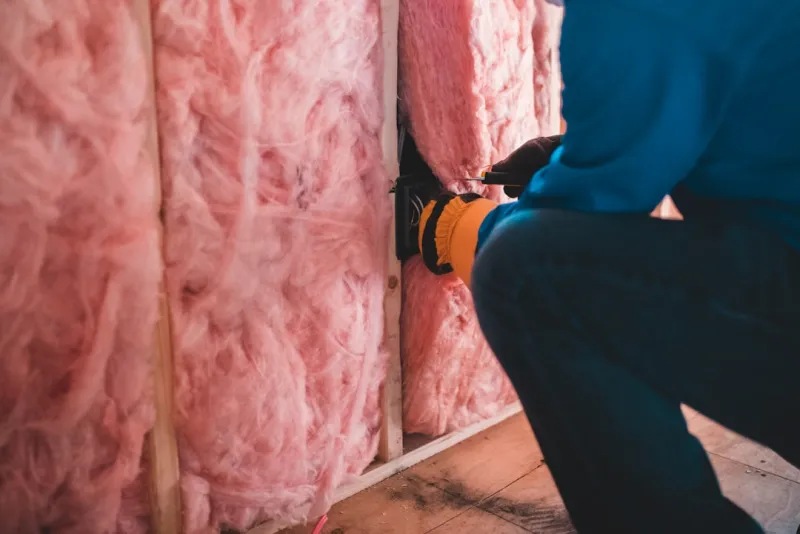
Why Insulation Is the Unsung Hero of Sustainable Homes
When I first stepped onto a construction site after years of landscaping, the sheer difference that a properly insulated wall made to indoor comfort blew my mind; it wasn’t just about warmth, but about energy flow, moisture control, and long‑term durability. I quickly learned that insulation acts as a thermal blanket, a moisture barrier, and a sound dampener all at once, which is why it deserves a starring role in any green‑building strategy. In my experience, a well‑planned insulation system can shave off up to 30 % of heating and cooling bills while simultaneously reducing a home’s carbon footprint, a win‑win that feels like a secret weapon for eco‑conscious homeowners.
The Science Behind the Comfort: R‑Values and Air Sealing
The magic of insulation lies in its R‑value, a measure of resistance to heat flow, and the importance of sealing every crack where air can leak; together they form the backbone of a high‑performance envelope. I’ve spent countless hours inspecting attic joists and basement walls, watching how even a single gap can undermine the best‑rated spray foam, turning a lofty R‑value into a phantom promise. Pairing high‑R materials with meticulous air sealing creates a pressure‑balanced system that keeps conditioned air exactly where it belongs—inside—while pushing outdoor extremes to the outer shell where they belong.
Choosing the Right Insulation for Your Climate
From the sweltering heat of the South to the biting freeze of the North, climate dictates whether you reach for blown‑in cellulose, rigid foam board, or spray‑applied polyurethane, each offering distinct advantages in moisture resistance, compressive strength, and installation flexibility. I always start with a climate‑zone analysis, then match the insulation type to the building’s design; for example, rigid foam is unbeatable in basements prone to water intrusion, while cellulose excels in attics where it can settle into nooks and crannies without compromising air quality. Understanding these nuances ensures you invest in a solution that not only meets code but also delivers lasting comfort year after year.
Integrating Insulation with Renewable Energy Systems
When a homeowner decides to add solar panels or a geothermal heat pump, the insulation strategy must evolve to support these technologies, preventing heat loss that would otherwise sabotage the system’s efficiency. I recall a recent retrofit where we paired a high‑R attic upgrade with a rooftop solar array; the result was a dramatic dip in the home’s net‑zero calculations, proving that insulation is the missing link that amplifies renewable gains. By treating insulation as the foundation of a holistic energy plan, you turn a collection of green upgrades into a synchronized, high‑performing ecosystem.
Budget‑Friendly Upgrades That Pay Off
One of the most rewarding projects I’ve tackled is a phased insulation upgrade that fits a homeowner’s cash flow while delivering immediate savings, a strategy detailed in The Insulation Upgrade That Pays Off: A Veteran Contractor’s Blueprint. By starting with the most leaky zones—often the attic and crawlspace—you capture quick ROI, then gradually expand to walls and floors as funds allow, ensuring each phase builds on the previous one’s performance gains. This incremental approach not only respects budgets but also educates homeowners on the tangible benefits of each added layer of protection.
Hidden Benefits: Health, Noise, and Longevity
Beyond energy savings, proper insulation creates a healthier indoor environment by limiting mold‑friendly condensation and filtering out pollutants, a point emphasized in The Hidden Power of Insulation. The added mass and density of many insulation types also dampen external noise, turning a bustling street into a quiet sanctuary, while the reduced thermal cycling extends the lifespan of structural components such as roof decking and framing. In my projects, I’ve seen families breathe easier, sleep better, and enjoy a quieter home—all thanks to a well‑designed insulation envelope.
DIY vs. Professional Installation: Knowing When to Call the Pros
While many homeowners feel empowered to lay batts in their own attics, certain applications—like spray foam in hard‑to‑reach cavities or blown‑in cellulose in historic homes—demand specialized equipment and expertise to avoid gaps, overspray, or health hazards. I always advise a professional assessment for complex jobs, especially when integrating insulation with vapor barriers or when dealing with older structures that may hide hidden moisture pockets. A seasoned contractor can also ensure compliance with local building codes, which often stipulate specific R‑values and installation methods for safety and performance.
Sustainable Insulation Materials: From Recycled Denim to Hemp
Eco‑conscious homeowners now have a menu of greener insulation options, such as recycled denim batts, cellulose made from post‑consumer newspaper, and even hemp fibers that boast low embodied energy and excellent breathability. I love showcasing these alternatives because they keep waste out of landfills while delivering comparable, sometimes superior, thermal performance to traditional fiberglass. Pairing these sustainable materials with a rigorous installation plan creates a truly green envelope that aligns with broader goals like those found in Sustainable Home Hacks, turning your house into a low‑impact haven.
Future‑Proofing Your Home: Insulation and Resilience
As climate patterns shift and extreme weather becomes more common, a robust insulation system provides a buffer against temperature spikes, cold snaps, and even storm‑related moisture infiltration, making homes more resilient and comfortable year‑round. I advise clients to think of insulation not as a one‑time upgrade but as a long‑term investment that can be adapted with additional layers or newer materials as technology evolves. By embedding flexibility and durability into the building envelope today, you safeguard both your comfort and your property’s value against the uncertainties of tomorrow.

When it comes to the world of blogging and writing, Rose DesRochers is a name that stands out. Her passion for creating quality content and connecting with her audience has made her a trusted voice in the industry. Aside from her skills as a writer and blogger, Rose is also known for her compassionate nature.
Related Posts
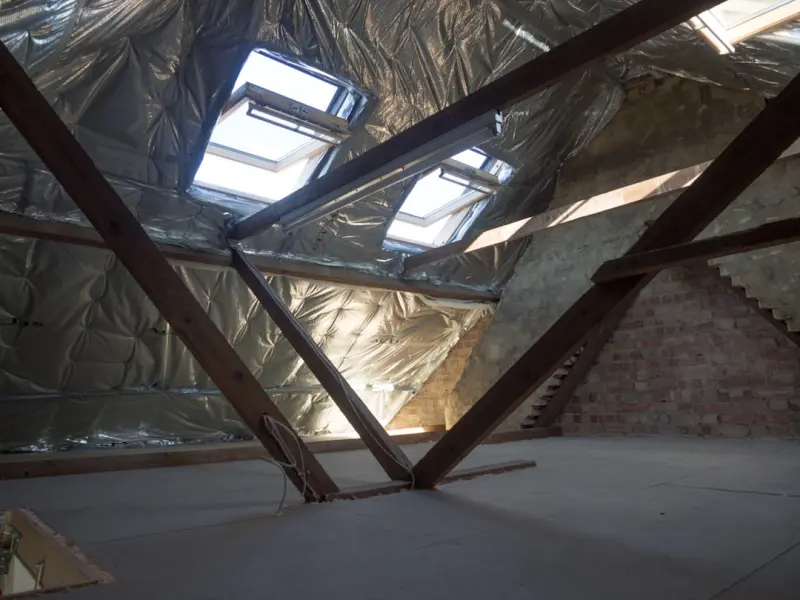
The Quiet Powerhouse: Reframing Insulation as a Strategic Business Lever
Insulation isn’t just a hidden wall layer—when paired with data and smart materials, it becomes ... Read More
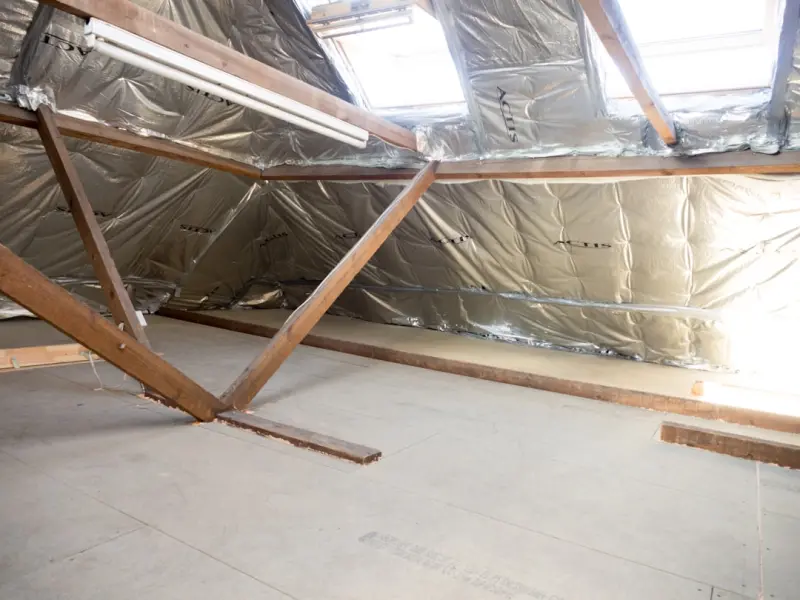
Beyond the R-Value: Insulation as a Wellness and ESG Catalyst
Insulation today does more than keep heat in; it enhances indoor air quality, acoustic comfort, and ... Read More
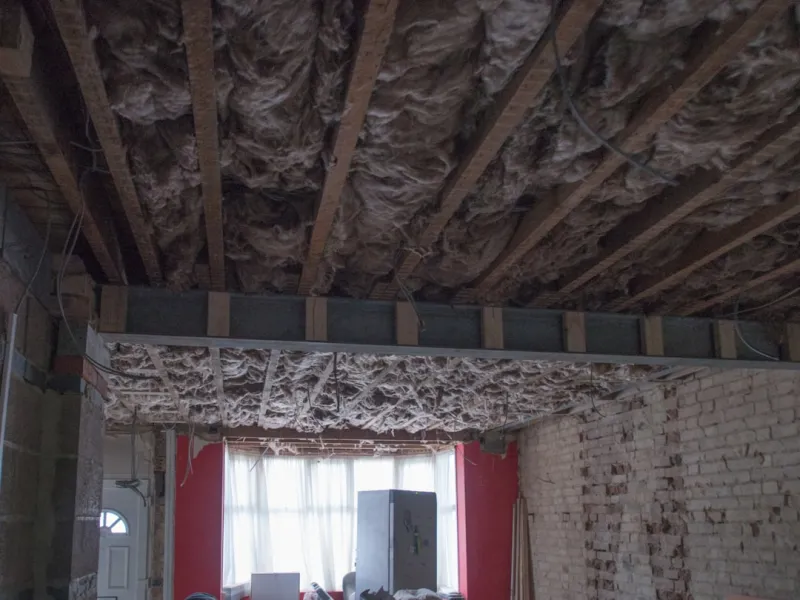
The Quiet Revolution: How Insulation Transformed My Home Comfort and Bills
Learn the insider tricks Kelly Reynolds used to turn insulation into a powerhouse of comfort, energy... Read More
Top Posts

Unlocking the Future: How Smart Windows and Doors Redefine Home Living
Explore the latest innovations in windows and doors—dynamic glass, smart locks, acoustic insulation, and solar glazing—that boost comfort, security, and ene...Read More

The Future of Tree Care: Data, Drones, and Decentralized Stewardship
A deep dive into how modern technology—drones, IoT sensors, and AI—is revolutionizing tree care, enabling proactive maintenance, cost savings, and integrati...Read More
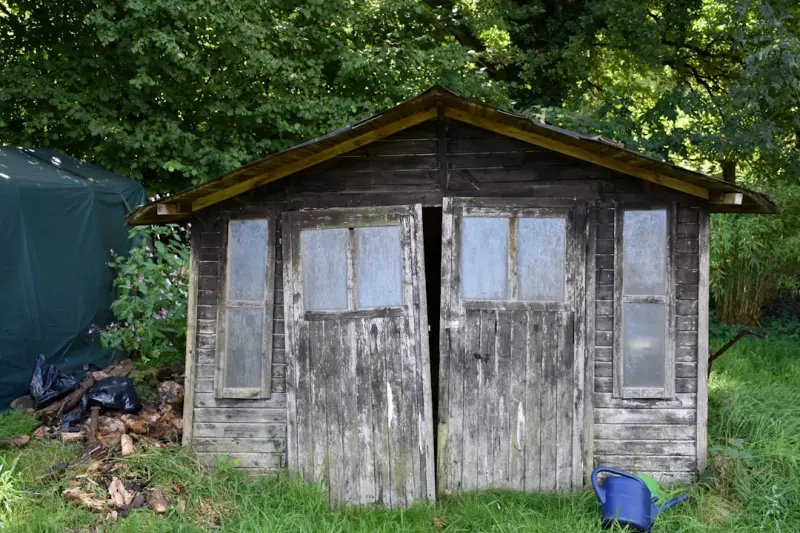
From Storage to Sanctuary: Reimagining Your Backyard Shed
Explore fresh ideas to transform an ordinary shed into a functional, inviting space—whether a home office, art studio, or cozy retreat—using clever design, ...Read More
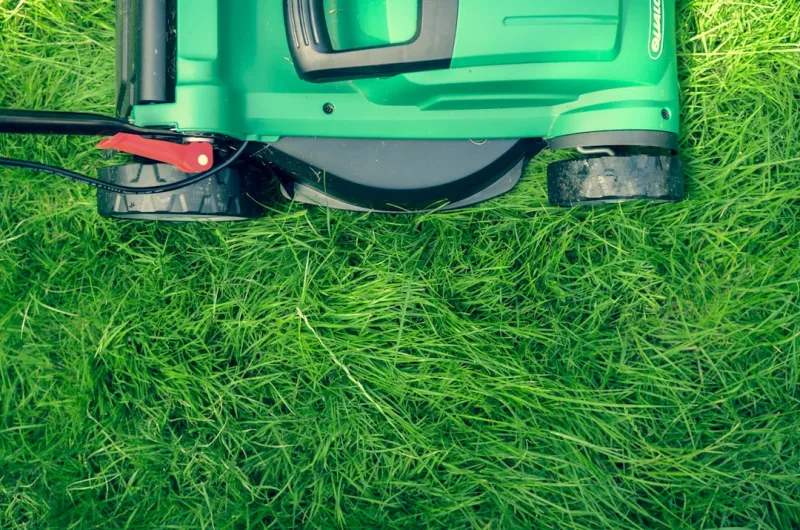
Sustainable Lawn Care Secrets from a Veteran Contractor
Learn how a seasoned contractor transforms ordinary lawns into sustainable, low‑maintenance landscapes using native grasses, smart irrigation, and holistic ho...Read More
0 Comments
Post Comment
You will need to Login or Register to comment on this post!