
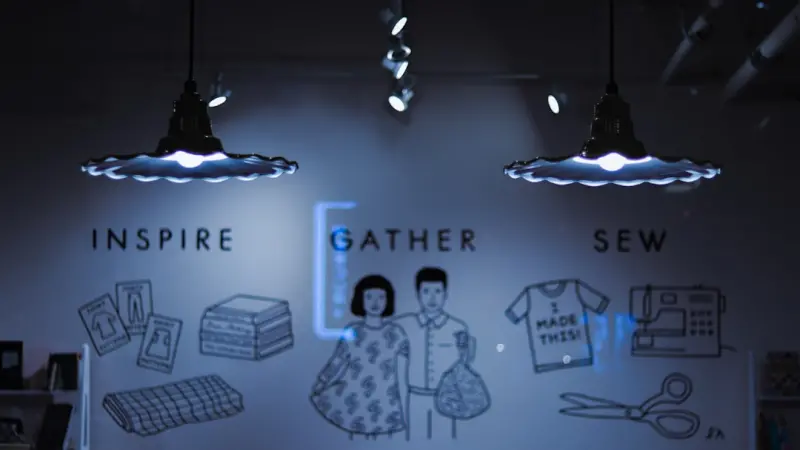
Lighting as Narrative: Crafting Mood with Layered Light
When I first stepped into a loft that felt more like a stage than a living space, I realized the true power of light. It wasn’t the paint, the furniture, or the open‑plan layout that gave the room its character—it was the way light moved through it, shifting from a soft wash at dusk to a crisp focus on a workbench at dawn. In interior design, we often talk about color palettes, texture, and scale, but the most subtle—and most influential—designer is light. This article is a deep dive into how you can orchestrate a layered lighting strategy that tells a story, supports function, and elevates the emotional tone of any interior.
Why Light Deserves Its Own Design Chapter
Light is the invisible scaffolding that holds a design together. It defines depth, highlights texture, and creates the backdrop for every object we place in a room. Yet, many designers treat it as an afterthought, tacking on a chandelier or a floor lamp after the fact. That approach works for quick fixes, but it fails when you need a space that adapts to multiple activities—think a home office that doubles as a gallery, or a kitchen that morphs from cooking hub to dinner‑party venue.
Think of light as a three‑act play. The first act is ambient lighting: a gentle, all‑encompassing glow that sets the baseline mood. The second act is task lighting: focused, purposeful beams that enable you to read, cook, or craft. The final act is accent lighting: dramatic punches that draw attention to art, architectural features, or a curated display. When these acts are choreographed, you get a performance that feels effortless, dynamic, and, most importantly, human‑centric.
Act One: Ambient Light—The Canvas
Ambient lighting is the foundation of any layered strategy. It should be uniform enough to prevent harsh shadows, yet flexible enough to accommodate changes in daylight. Here are three practical ways to master this layer:
- Ceiling‑Mounted Diffusers: Instead of a single 60‑watt bulb, opt for a series of low‑profile LED panels or recessed fixtures with dimmable drivers. They spread light evenly and can be controlled via smart hubs for gradual sunrise/sunset simulations.
- Architectural Integration: Use cove lighting, tray ceilings, or even illuminated stair risers to embed light within the building’s skin. This approach creates a soft halo that makes a space feel larger without relying on overt fixtures.
- Natural Light Management: Pair your artificial ambient sources with strategic window treatments—sheer panels for diffusion, motorized blinds for daylight harvesting. The goal is a seamless transition from daylight to artificial glow, avoiding the jarring “off‑switch” moment.
Pro tip: Keep the color temperature of ambient lighting in the 2700‑3000 K range for residential settings. It mimics the warm glow of incandescent bulbs, which our brains associate with comfort and relaxation.
Act Two: Task Light—The Workhorse
Task lighting is where functionality meets design. It’s the bright, focused beam that lets you read a blueprint, slice vegetables, or fine‑tune a sketch. The key is to position task lights so they illuminate the work surface without creating glare or washing out the surrounding ambient glow.
- Adjustable Arm Fixtures: Swing‑arm desk lamps and flexible goosenecks are perfect for home offices and craft tables. Choose models with a high CRI (Color Rendering Index) of 90+ to ensure true color representation.
- Under‑Cabinet LEDs: In kitchens, a strip of low‑profile LEDs tucked under cabinets delivers even, shadow‑free illumination directly onto countertops. Look for models with a 4000‑5000 K temperature for crisp, task‑oriented light.
- Integrated Countertop Lighting: For workshops or design studios, consider recessed LEDs within the countertop itself. They act like a built‑in task light, keeping the workspace clutter‑free and visually sleek.
When you combine these task sources with dimmable ambient layers, you give occupants the power to “dial in” the perfect brightness for any activity—a subtle yet profound ergonomic advantage.
Act Three: Accent Light—The Storyteller
Accent lighting is the dramatic flourish that transforms a room from functional to unforgettable. It’s the spotlight on a sculpture, the backlight that makes a textured wall pop, or the warm wash that highlights a gallery of family photos.
- LED Spotlights: Aim these at architectural features—exposed beams, niche alcoves, or reclaimed wood panels. A narrow‑beam 12‑15 ° fixture can turn a simple wall into a visual anchor.
- Linear Rope Lights: Install these under floating shelves or along ceiling coves to add a soft, continuous glow. They work especially well in modern minimalist interiors where subtlety is key.
- Smart Color‑Changing LEDs: Use tunable white or RGB fixtures to shift the mood on demand. A deep blue wash can create a calm evening vibe, while a warm amber tone can energize a breakfast nook.
Remember, accent lighting should always be a complement, not a competition. It’s most effective when it enhances the ambient foundation and doesn’t overpower the task zones.
Integrating Technology Without Losing Soul
Smart lighting is more than just remote control. It’s about using data and automation to adapt light to human rhythms. A well‑designed system can learn when you tend to read, when you host dinner, and when you prefer a movie night, adjusting temperature and intensity accordingly.
However, technology should never replace intuition. The best lighting designs still require the designer’s eye to balance contrast, hierarchy, and narrative. Think of automation as a helpful assistant, not the master.
For a deeper look at how digital tools can preserve and enhance design heritage, explore our piece on digital twins for heritage preservation. It shows how precise modeling can inform lighting placement in historic spaces without compromising authenticity.
Sustainable Light Choices
In a world that’s increasingly eco‑conscious, lighting is a low‑hanging fruit for sustainability. LEDs consume up to 80 % less energy than incandescent bulbs and have lifespans measured in decades. Pair them with motion sensors in low‑traffic areas, and you can shave off even more energy waste.
Choosing the right materials for fixtures also matters. Recycled aluminum housings, reclaimed wood shades, or even 3‑D‑printed biodegradable components can reduce the carbon footprint of your lighting design.
Our sustainable material playbook offers a curated list of eco‑friendly options that work beautifully with modern lighting strategies.
Design Process: From Concept to Execution
Below is a step‑by‑step workflow that I use on every project, whether it’s a boutique hotel lobby or a suburban home office:
- Space Audit: Measure dimensions, note window placement, and identify focal points. Take a light meter reading at different times of day.
- Mood Board & Lighting Storyboard: Assemble a collage of images that capture the desired emotional tone. Include sample light fixtures, color temperatures, and control schemes.
- Layer Mapping: Sketch a floor plan overlay with three layers—ambient, task, accent. Assign each fixture type to its appropriate zone.
- Tech Integration: Choose a smart hub (e.g., Zigbee, Matter‑compatible) and map out scenes (Morning, Focus, Evening, Party). Program schedules that sync with occupancy sensors.
- Mock‑up & Calibration: Install temporary fixtures or use a 3‑D rendering tool to simulate light distribution. Adjust angles, intensity, and color temperature based on feedback.
- Final Installation: Run wiring with a focus on concealment—use raceways hidden in crown molding or floor channels. Install dimmers, motion sensors, and control panels.
- Post‑Install Tuning: Walk the space at different times, ask occupants for input, and fine‑tune the scenes. Provide a quick‑start guide for end‑users to personalize their lighting.
This process ensures that lighting isn’t an afterthought but an integral component of the overall design narrative.
Case Study: A Multi‑Use Loft
One of my recent projects was a 2,500‑sq‑ft loft that functioned as a home office, art studio, and entertainment lounge. The client wanted a seamless transition from focused work to relaxed evenings without rewiring or moving furniture.
Ambient Layer: We installed a series of recessed LED panels with a 2700 K warm dimmable setting, controlled via a voice‑activated hub. The panels were spaced to avoid shadows, creating a uniform glow.
Task Layer: Adjustable arm lamps were placed at each desk, paired with under‑counter LEDs for the studio workbench. The task lights were set to a cooler 4000 K for color accuracy while painting.
Accent Layer: We added narrow‑beam spotlights to highlight a custom wood wall that housed the client’s art collection. Color‑changing LEDs were tucked behind the bar area, allowing the space to shift from a soft amber “cocktail” vibe to a deep blue “movie night” ambiance.
Result? The client reported a 30 % increase in productivity during work hours and praised the space for its “effortless mood changes” during social gatherings. The lighting system also reduced annual electricity usage by 15 % thanks to smart scheduling and LED efficiency.
Common Pitfalls & How to Avoid Them
- Over‑Lighting: More fixtures don’t equal better design. Aim for balanced illumination levels (measured in foot‑candles) appropriate for each zone.
- Ignoring Glare: Position task lights at a 30‑45° angle from the work surface to minimize reflection on screens and glossy surfaces.
- Static Scenes: Relying on a single lighting preset can make a space feel stale. Build at least three scenes per zone (day, night, event) and allow users to blend them.
- Neglecting Maintenance: Even LED fixtures need cleaning. Dust can diminish light output and alter color temperature. Include a simple cleaning schedule in your handover documents.
Future Trends: Light as Data
Looking ahead, lighting is evolving from a static service to a data‑rich platform. Sensors embedded in fixtures can monitor occupancy, temperature, and even air quality, feeding that data back to building management systems. This creates a feedback loop where light adapts in real time to both environmental conditions and human behavior.
While the technology is still emerging, early adopters are already seeing benefits—reduced energy bills, improved occupant well‑being, and richer design storytelling. Keep an eye on the intersection of light, IoT, and wellness; it’s where the next wave of interior design breakthroughs will happen.
Takeaway
Lighting isn’t just illumination—it’s narrative, function, and sustainability rolled into one. By embracing a layered approach, integrating smart technology responsibly, and choosing sustainable fixtures, you can transform any interior from a static backdrop into a living, breathing stage for daily life. The next time you step into a room, ask yourself: what story is the light telling?

Craig Brett is a freelancer with a passion for the outdoors. His love for nature inspires his work, bringing authentic and engaging perspectives to projects related to outdoor activities, adventure, and environmental topics.
Related Posts
Biophilic Design: Bringing the Outdoors Inside for Healthier Living
Explore the power of biophilic design—integrating plants, organic textures, and natural light—to... Read More

Designing Interiors That Nurture Body, Mind, and Soul
Discover fresh interior design strategies that prioritize wellbeing, sustainability, and style—tur... Read More
Turning Rooms into Storytelling Canvases: The Art of Curating Personal Narrative Spaces
Learn to transform each room into a chapter of your life, using purposeful design choices, sustainab... Read More
Top Posts
Radiant Floor Heating: Turning Slabs into Smart Energy Assets
Radiant floor heating isn’t just about warm feet; it’s a strategic energy‑storage system that smooths demand, integrates with smart controls, and helps me...Read More
Quiet Floors, Loud Impact: How Acoustic Flooring Elevates the Modern Workplace
Acoustic flooring transforms noisy open offices into calm, productive environments. Learn the science, design options, sensor integration, and ROI of sound‑sm...Read More
Turning Gutters into Design Statements: Style Meets Function
Explore innovative gutter designs, materials, colors, and seasonal styling tips that turn a functional necessity into a striking architectural accent....Read More

Turning Waste into Wonder: The Rise of Circular Paving
Circular paving leverages reclaimed asphalt, recycled concrete, and post‑consumer plastics to create durable, cost‑effective roads while cutting carbon emis...Read More
0 Comments
Post Comment
You will need to Login or Register to comment on this post!