
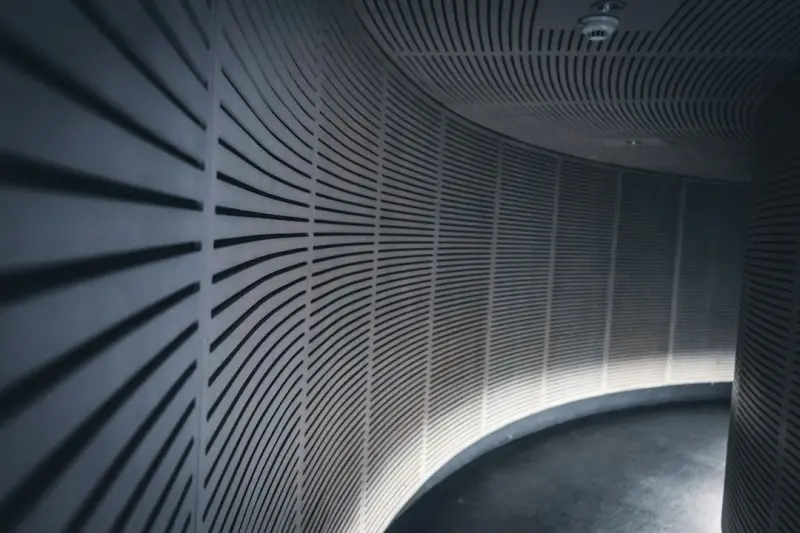
Why Acoustics Matter in a Kitchen Renovation
When most homeowners think about renovating a kitchen, the first things that come to mind are cabinets, appliances, and lighting. It’s easy to overlook the soundscape that shapes daily life in the heart of the home. The clatter of pots, the whirr of the dishwasher, and the constant hum of conversation can quickly turn a culinary sanctuary into a noisy stress zone. As someone who’s spent more than two decades overseeing remodels, I’ve learned that acoustic comfort is just as critical as visual appeal. A kitchen that sounds good promotes better focus, reduces stress, and even improves the perceived quality of food preparation.
Understanding the Kitchen’s Acoustic Profile
Every kitchen has a unique acoustic fingerprint, determined by three core factors:
- Room geometry: Hard, reflective surfaces (glass, tile, stainless steel) bounce sound waves, amplifying noise.
- Material density: Dense materials like concrete transmit vibrations more efficiently than softer, porous options.
- Appliance operation: High‑speed fans, compressors, and ventilation systems generate low‑frequency rumble that can linger.
When you map these variables, you can pinpoint the “hot spots” where sound builds up and devise strategies to tame them before the first tile is laid.
Materials That Quiet the Kitchen
Choosing the right finishes isn’t just about aesthetics; it’s a strategic move to absorb, diffuse, or block unwanted noise. Below are my go‑to materials that balance function, durability, and acoustic performance:
Acoustic Backsplashes
Traditional glossy tiles reflect sound. Instead, consider intelligent countertops that incorporate acoustic backing layers. These composites combine a thin stone veneer with a high‑density foam core, reducing echo without sacrificing the sleek look homeowners crave.
Sound‑Absorbing Cabinets
Most prefabricated cabinets are built with particleboard, which is not a great sound dampener. Opt for cabinets with internal insulation—either a thin layer of recycled denim or mineral wool. The added thickness is invisible from the outside but dramatically reduces the “slam” of drawer closures and cabinet doors.
Flooring Choices
Hardwoods are beautiful, but they can turn footfalls into a marching band. Cork, bamboo, or engineered wood with an acoustic underlayment provides a warm feel underfoot while muffling impact sounds. If you love tile, look for porcelain with a textured surface and pair it with a resilient subfloor.
Ceiling Treatments
Acoustic ceiling tiles are often associated with commercial spaces, yet a discreet, paint‑matched version can be installed in residential kitchens. These panels absorb mid‑range frequencies generated by appliances and conversation, keeping the overall volume at a comfortable level.
Layout & Zoning for Sound Control
Even the best materials can’t fully compensate for a poor layout. Strategic zoning can separate noisy zones from quiet ones, creating a natural acoustic buffer.
Separate Prep and Cooking Zones
Place heavy appliances (range, dishwasher) on one side of the kitchen and a dedicated prep island on the opposite side. This separation keeps the high‑frequency clatter of chopping and mixing away from the louder hum of the range hood.
Introduce a “Quiet Corner”
Reserve a nook for coffee brewing, reading, or informal meals. By positioning it away from the main cooking line and adding a soft rug or upholstered bench, you create a pocket where sound is naturally dampened.
Use Islands as Acoustic Barriers
A solid, insulated island can act as a barrier that blocks sound propagation across the room. When designing an island, incorporate dense cores or fill the cabinetry with acoustic material to maximize its muffling effect.
Tech‑Enabled Noise Management
Smart home technology is no longer limited to thermostats and lighting; it now extends into the acoustic realm. Here are a few gadgets that can make a quiet kitchen a reality:
Active Noise Cancellation (ANC) Panels
Similar to the headphones you wear on a commute, ANC panels emit sound waves that cancel out unwanted frequencies. They’re still emerging in residential markets, but a few early adopters report a noticeable reduction in the whine of ventilation fans.
Quiet‑Mode Appliances
Many high‑end dishwashers and refrigerators now feature “quiet mode” cycles that lower motor speed during operation. When selecting new appliances, prioritize models with decibel ratings under 45 dB for optimal serenity.
Smart Ventilation Controls
Integrate your range hood with a smart controller that adjusts fan speed based on real‑time noise levels. When the kitchen is quiet, the hood runs at a lower, less intrusive setting, ramping up only when heavy cooking is detected.
Sustainable Acoustic Solutions
Acoustic upgrades don’t have to compromise sustainability. In fact, many environmentally friendly materials double as sound absorbers:
- Recycled denim insulation: Offers excellent sound absorption and keeps landfill waste low.
- Hempcrete panels: Lightweight, carbon‑negative, and effective at dampening low‑frequency vibrations.
- reclaimed wood flooring with cork underlayment: Gives a warm aesthetic while providing a natural acoustic cushion.
Choosing these options aligns the renovation with broader green goals, delivering a quieter space and a smaller carbon footprint.
Case Study: A Quiet Kitchen Transformation
Last spring I worked with a family who loved to entertain but dreaded the constant clatter that followed their dinner parties. Their original kitchen featured a glossy marble backsplash, stainless‑steel appliances, and an open‑plan layout that amplified every sound. Here’s how we rewired their acoustic experience:
- Backsplash upgrade: We installed a low‑profile stone veneer with a built‑in acoustic foam layer, keeping the sleek look while cutting echo by 30%.
- Cabinet insulation: Existing cabinets were retrofitted with a thin denim layer, and new soft‑close hardware was added to all drawers and doors.
- Flooring switch: Replaced polished tile with reclaimed bamboo over a cork underlayment, providing both durability and a soft footfall.
- Island as barrier: Added a substantial island with a solid core, strategically placed to shield the adjacent seating area from range‑hood noise.
- Smart ventilation: Integrated a range hood that throttles fan speed based on a built‑in microphone, ensuring it only roars when needed.
Post‑renovation, the homeowners reported a 40% reduction in perceived noise levels during gatherings—a measurable improvement that turned their kitchen from a cacophony hub into a welcoming, low‑key social space.
Practical Checklist for an Acoustic‑First Kitchen Renovation
Use this checklist as a roadmap when you’re ready to start planning:
- Conduct a sound audit: Identify dominant noise sources and reflection points.
- Select acoustic‑friendly materials: Prioritize backsplashes, cabinets, flooring, and ceiling tiles with built‑in sound absorption.
- Plan zoning: Separate prep, cooking, and quiet zones; use islands as acoustic barriers.
- Specify quiet‑mode appliances: Look for low‑decibel ratings and smart control capabilities.
- Integrate tech: Consider ANC panels, smart ventilation, and noise‑monitoring sensors.
- Choose sustainable options: Recycled denim, hempcrete, cork, and reclaimed wood all double as acoustic solutions.
- Consult an acoustic specialist: For high‑end projects, a professional can model sound behavior and recommend custom solutions.
Looking Ahead: The Future of Quiet Kitchens
The next wave of kitchen design will likely blur the line between culinary and wellness spaces. As open‑plan living continues to dominate, the need for acoustic mindfulness will only intensify. Imagine a kitchen where the sound of a simmering sauce is heard but never dominates, where the clink of glassware is softened by smart surfaces, and where the hum of a fridge blends seamlessly into the background.
By taking a proactive, acoustic‑first approach, you not only enhance the day‑to‑day experience for homeowners but also future‑proof the space against the growing expectations for comfort and health. In a world where every room is becoming a multi‑functional hub, the quiet kitchen will be the quiet champion.
Connecting the Dots: A Holistic Renovation Mindset
Acoustic considerations fit naturally into the broader narrative of intelligent, sustainable design. For instance, pairing acoustic upgrades with biophilic design creates a space that feels both tranquil and alive. A green wall behind a quiet prep area not only improves air quality but also adds an additional sound‑absorbing layer, marrying health and hush.
When you weave these elements together—materials, layout, tech, and sustainability—you end up with a kitchen that feels less like a workspace and more like a sanctuary. That, in my experience, is the most rewarding outcome of any renovation.

David MacKinnon is a dynamic freelance writer known for his captivating storytelling and keen insights into the world of technology. With a passion for exploring the intersection of innovation and everyday life, he crafts engaging narratives that not only inform but also inspire his readers.
Related Posts
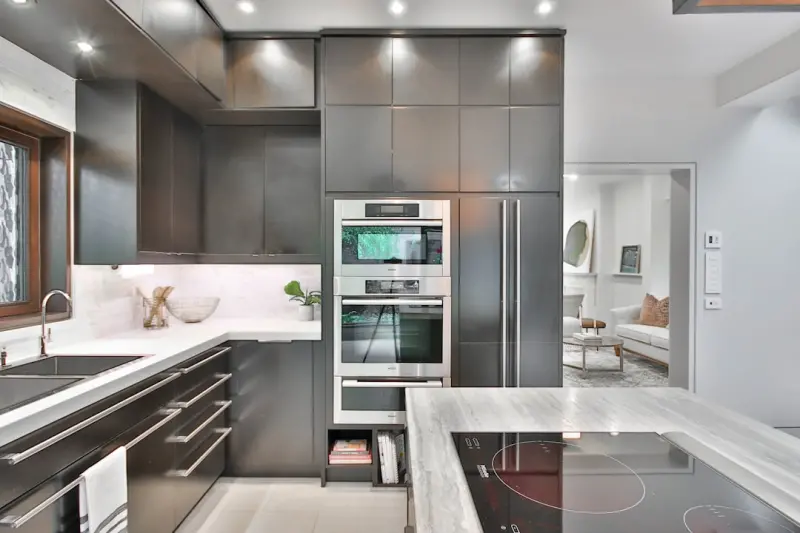
Turn Your Kitchen Into a Modular Cooking Lab for Endless Creativity
Explore a fresh take on kitchen renovations: modular islands, adaptable appliances, and smart storag... Read More

The Ultimate Guide to Kitchen Renovations: Transforming Your Space with Style and Functionality
Kitchen renovations can transform your cooking space into a beautiful and efficient area. Learn how ... Read More
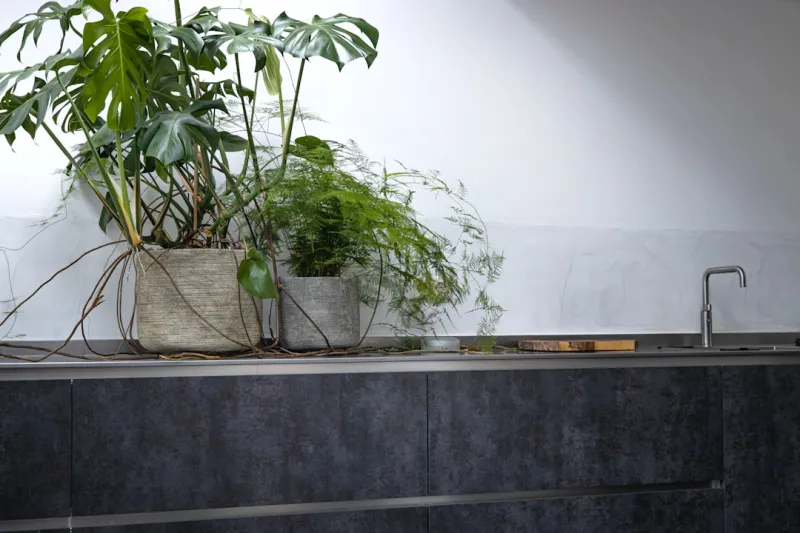
Sustainable Kitchen Renovations: A Guide to Eco-Friendly Cooking Spaces
Learn how to create a sustainable kitchen with eco-friendly materials, energy-efficient appliances, ... Read More
Top Posts

Protect Your Home: The Ultimate Guide to Whole‑Home Surge Protection
Learn how a whole‑home surge protector shields every device, saves money, and fits into smart‑home and renewable energy systems—plus tips on selection, in...Read More

Breathing Easier: The Intersection of Insulation and Indoor Air Quality
This article delves into how vapor‑permeable, bio‑based insulation can improve indoor air quality, reduce moisture‑related problems, and still deliver ene...Read More

Winter’s Secret Weapon: Turning Snow Removal into a Sustainable, Community‑Driven Routine
Discover a fresh, sustainable approach to snow removal that blends clever tools, eco‑friendly de‑icing, tech aids, and neighborly teamwork for a smoother, s...Read More

How Augmented Reality Is Revolutionizing Bricklaying on the Jobsite
Augmented reality is merging with masonry, giving masons real‑time visual guidance, reducing material waste, accelerating training, and creating data‑rich a...Read More
0 Comments
Post Comment
You will need to Login or Register to comment on this post!