
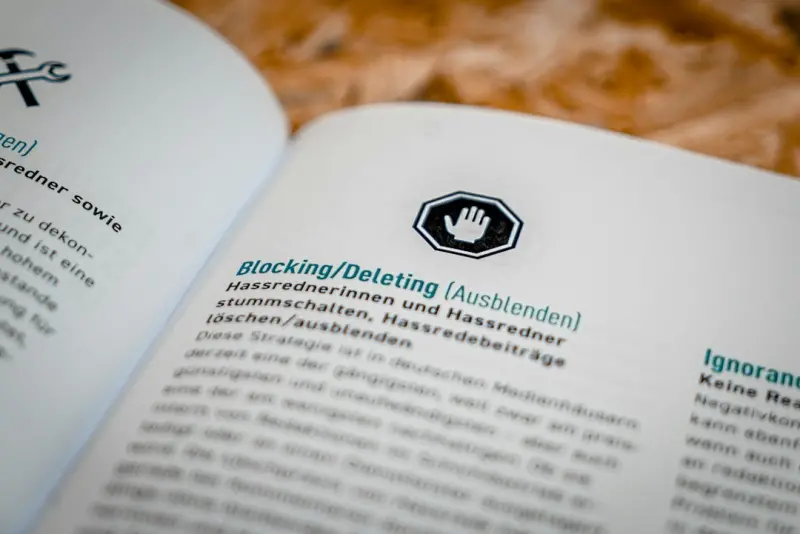
Why Restoring Historic Details Is the New Frontier in Home Renovation
When most homeowners think about a remodel, the first images that pop up are sleek kitchens, open‑concept living rooms, and the latest smart‑home gadgets. While those upgrades certainly add modern convenience, there’s a quiet, powerful movement gaining momentum: the meticulous restoration of historic home details. From hand‑crafted plaster cornices to original hardwood floors that have weathered a century, preserving these elements not only honors craftsmanship but also delivers lasting value.
The Business Case for Authentic Restoration
Investors and buyers are increasingly savvy about authenticity. A home that retains its original architectural DNA often commands a premium in the market, especially in neighborhoods where heritage is a selling point. But the benefits extend beyond resale value. Restoring period features reduces waste, minimizes the need for new materials, and taps into a growing consumer desire for sustainability. In an era where circular design is becoming mainstream, re‑using existing building fabric is the ultimate form of resource efficiency.
Where to Start: A Systematic Audit of Existing Elements
Before you swing a hammer, conduct a thorough audit of the property. Walk through each room and make a list of original features—think of them as “heritage assets.” Common items include:
- Original hardwood or parquet flooring
- Plaster walls with decorative moldings
- Built‑in wooden shutters or stained glass
- Fireplaces with original mantels
- Period‑specific hardware such as brass doorknobs or wrought‑iron hinges
Document each asset with photographs, noting any damage, wear, or previous repairs. This inventory will guide your restoration roadmap and help you prioritize interventions based on structural integrity and aesthetic impact.
Understanding the Materials: A Primer on Traditional Building Techniques
Restoring historic details isn’t just a cosmetic endeavor—it requires a respect for the original construction methods. Below are quick insights into three common materials you’ll likely encounter:
Plaster
Traditional plaster is a blend of lime, sand, and animal hair, applied in multiple coats. Unlike modern gypsum plaster, lime‑based mixes breathe, allowing walls to regulate humidity naturally. When repairing, it’s crucial to match the original composition; using a modern gypsum patch can cause cracking or moisture issues down the line.
Hardwood Floors
Older homes often feature wide‑plank hardwoods such as heart pine, oak, or walnut. These floors were typically nailed directly to joists without glue, a method that permits slight movement without compromising stability. Restoration involves careful sanding (or sometimes a “dry‑sanding” technique that preserves the wood’s patina) and using historically accurate finishes like hand‑rubbed tung oil.
Brick & Mortar
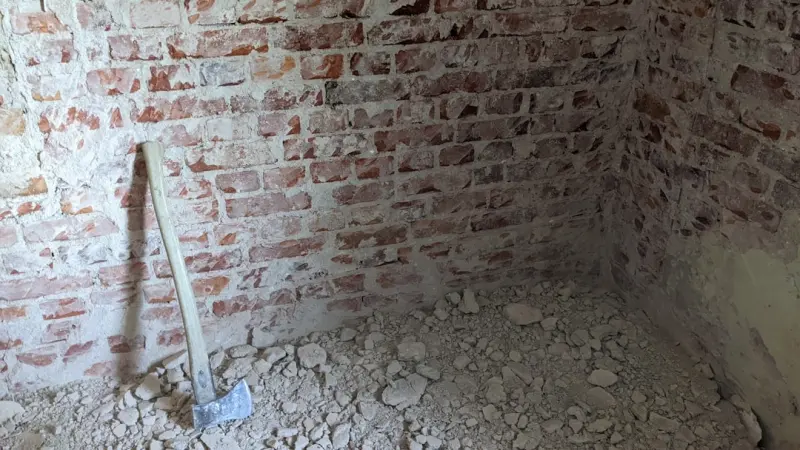
Historic brickwork commonly employs softer, locally sourced bricks bound with lime‑based mortar. Modern Portland cement mortar is too rigid and can cause spalling. Repointing with a compatible lime mortar restores structural integrity while preserving the wall’s breathability.
Tools of the Trade: Modern Aids for Traditional Work
You don’t need to abandon contemporary tools when restoring historic details. In fact, a few smart choices can make the process more efficient without compromising authenticity:
- Infrared moisture meters – Detect hidden water intrusion behind plaster or under flooring before you begin.
- Portable vacuum sanders – Provide precise control when resurfacing hardwoods, reducing the risk of over‑sanding.
- Digital colorimeters – Help you match historic paint or stain shades, ensuring a seamless blend with existing finishes.
When you combine these tools with a deep appreciation for traditional techniques, you achieve a restoration that feels both genuine and durable.
Case Study: Reviving a 19th‑Century Parlor
Take the story of a Victorian‑era parlor in a mid‑Atlantic town. The owners discovered that the original plaster cornices had been covered with cheap drywall, and the hardwood floors were partially sanded down to a uniform gray finish. Here’s how they turned the space back into a heritage showcase:
- Uncover and assess – Carefully removed the drywall, revealing the intact plaster. Minor cracks were filled with a lime‑based repair mix.
- Re‑finish the floors – Employed a dry‑sanding process to preserve the original wood grain, then applied a hand‑rubbed tung oil finish that highlighted the floor’s natural warmth.
- Re‑introduce period‑appropriate lighting – Replaced modern fixtures with reproductions of gas‑era sconces, wired for LED efficiency.
- Integrate modern comforts discreetly – Ran a low‑profile HVAC duct beneath the floorboards, preserving the visual integrity of the room.
The result? A parlor that feels authentic to its era while meeting today’s comfort standards. The owners reported a 15% increase in property appraisal value, illustrating how heritage preservation can be a financially savvy decision.
Balancing Preservation with Energy Efficiency
One of the biggest myths about historic restoration is that it inevitably leads to higher energy bills. While older homes can be drafty, the solution isn’t to replace original windows with generic double‑glazed units. Instead, consider these strategies:
- Secondary glazing – Adds an interior pane that improves insulation while keeping the original sash intact.
- Seal gaps with breathable tapes – Use vapor‑permeable caulks that prevent air infiltration without trapping moisture.
- Upgrade to high‑efficiency HVAC – Modern units can be installed in concealed locations, providing consistent climate control without compromising historic aesthetics.
For a deeper dive into how modern climate tech can complement restoration projects, check out our guide on everyday comfort hacks. The blend of old‑world charm and new‑world efficiency creates homes that are both beautiful and sustainable.
Funding Your Restoration: Grants, Tax Credits, and Smart Financing
Restoring historic details can be costly, but there are financial incentives that make it more accessible. Many municipalities offer preservation grants for projects that maintain architectural integrity. Additionally, the federal historic tax credit can cover up to 20% of qualified rehabilitation expenses for income‑producing properties.
If your home is a private residence, consider a subscription handyman service that specializes in heritage work. These providers often have relationships with local preservation societies and can help you navigate paperwork, ensuring you capture every possible rebate.
Choosing the Right Professionals
Not every contractor has the expertise to work with historic materials. Look for professionals who:
- Hold certifications from heritage preservation organizations (e.g., National Trust for Historic Preservation).
- Can provide a portfolio of completed restoration projects.
- Understand the importance of documentation and can supply detailed reports for future owners.
Partnering with the right team safeguards the authenticity of the work and ensures compliance with local preservation ordinances.
Preserving the Narrative: Storytelling Through Architecture
Every restored element carries a narrative—whether it’s the hand‑carved balusters that survived a century of family gatherings or the original brickwork that withstood a regional flood. Embrace these stories. Include a small plaque or a digital QR code near the feature, linking visitors to a brief history. This not only enriches the living experience but also adds cultural value to the property.
Future‑Proofing Historic Homes
While the primary goal is to retain authenticity, you also want the home to be resilient for decades to come. Here are three forward‑looking considerations:
- Water management – Install discreet French drains or interior water‑resistant barriers to protect vulnerable plaster walls.
- Fire safety – Integrate modern fire suppression systems (e.g., mist sprinklers) that are unobtrusive and preserve historic interiors.
- Smart monitoring – Use hidden sensors that track humidity and temperature, alerting you to conditions that could damage historic materials.
These measures honor the past while embracing the future, ensuring that your restoration stands the test of time.
Conclusion: The Enduring Appeal of Authentic Restoration
In a world saturated with cookie‑cutter designs, restoring historic home details offers a compelling alternative. It blends artistry, sustainability, and financial prudence into a single, rewarding project. By approaching restoration with respect for original materials, strategic use of modern tools, and an eye toward future resilience, homeowners can create spaces that are both timeless and livable.
Ready to embark on your own heritage journey? Start with a thorough audit, engage skilled craftsmen, and explore the financial incentives available. The result will be a home that not only looks beautiful but also tells a story—your story—through the very walls and floors that have stood the test of time.

Paul Gray is a dynamic blogger based in Brampton, where he shares his life with his amazing wife, Sarah. Known for his engaging writing style and relatable insights, Paul has carved out a niche in the blogging world that resonates with readers from all walks of life. When he's not crafting captivating posts, you can find him savoring a cold beer or indulging in the latest blockbuster movie. With a friendly demeanor and a passion for storytelling, Paul brings a unique perspective to his work, making him not just a blogger, but a voice for those who appreciate the simple joys of life.
Related Posts
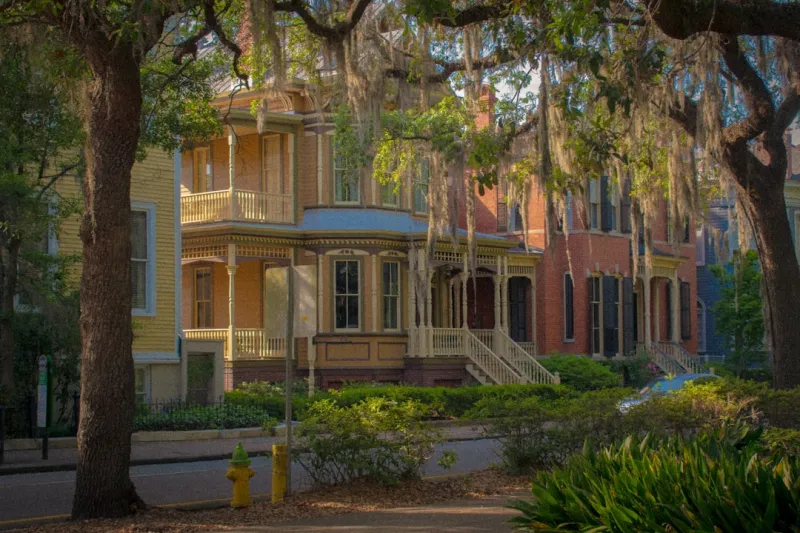
Reviving Historic Homes with Sustainable Restoration Strategies
Learn how to restore historic homes using sustainable materials, energy‑efficient upgrades, and sm... Read More
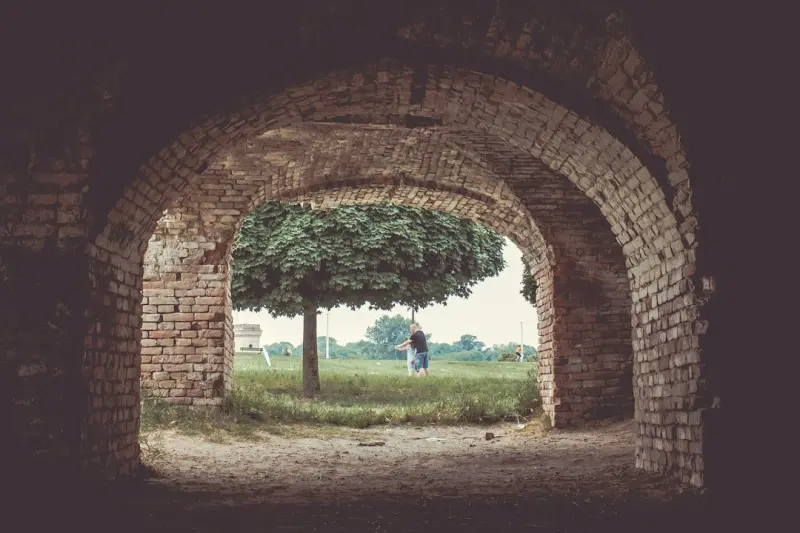
Breathing New Life into Historic Windows: A Practical Guide
This guide walks homeowners through assessing, repairing, and upgrading historic windows, balancing ... Read More

Smart Restoration: Merging Heritage Craft with IoT Precision
Smart Restoration blends deep diagnostics, circular material stewardship, and IoT‑enabled climate ... Read More
Top Posts
The Ultimate Renovation Checklist: From Planning to Perfect Finish
A comprehensive, homeowner‑focused renovation checklist that guides you from vision and budgeting to sustainable upgrades, final inspections, and lasting comf...Read More
Reviving Old Walls: Modern Waterproofing Tactics for Historic Homes
Learn how breathable membranes, nanotech coatings, and smart maintenance keep historic homes dry, healthy, and beautiful—while honoring their original charact...Read More

The Snow Removal Revolution: A Sustainable Approach to Winter Maintenance
Learn how to make your snow removal more sustainable with eco-friendly methods, equipment, and property maintenance tips that minimize environmental impact....Read More
Parametric Design: AI‑Driven Architecture for a Sustainable Future
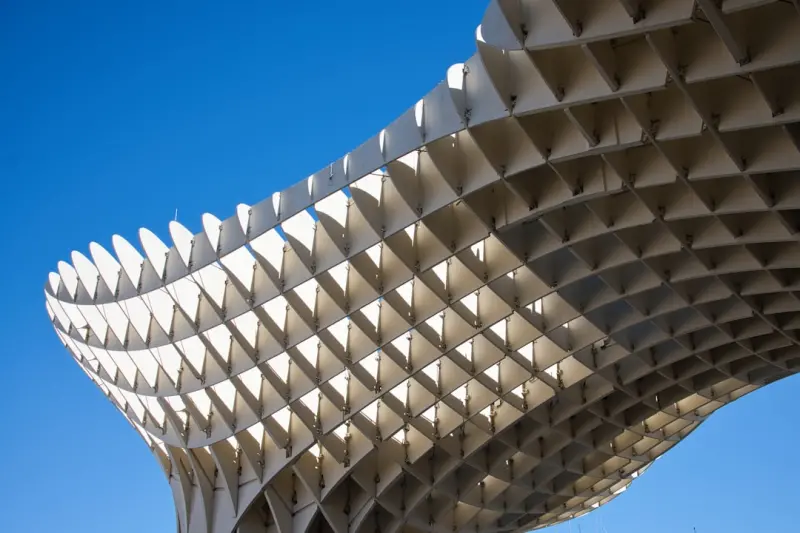
Parametric design merges algorithms with architectural creativity, delivering responsive, low‑carbon buildings. Discover its workflow, real‑world case studi...Read More
0 Comments
Post Comment
You will need to Login or Register to comment on this post!