
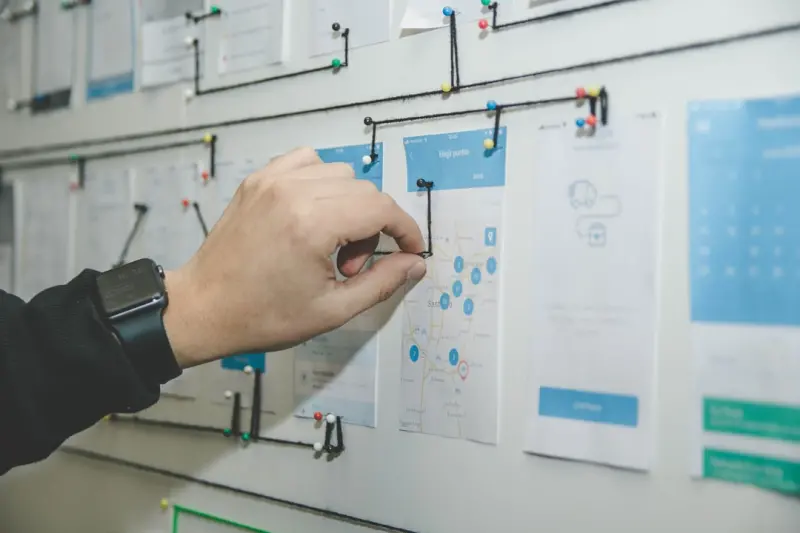
Why Traditional Waterproofing Is No Longer Enough
For decades, building owners treated waterproofing as a one‑time installation—a layer of membrane, a coat of sealant, and a promise that water would stay out. In practice, however, the harsh realities of climate change, fluctuating site conditions, and the increasing complexity of building envelopes have turned that promise into a gamble. When water finds a weakness, the resulting damage ripples through structural components, finishes, and even the operations that run inside the space. The cost of a single breach can eclipse the original investment in a waterproofing system many times over.
What’s missing from the old playbook is a dynamic, data‑informed approach that treats waterproofing not as a static barrier but as an ongoing service. By embedding sensors, leveraging predictive analytics, and aligning maintenance schedules with actual performance data, owners can move from reactive repairs to proactive stewardship.
Embedding Intelligence Into Water Barriers
Modern waterproofing systems can now host a suite of miniature sensors that monitor moisture ingress, temperature fluctuations, and pressure changes across the barrier. These devices transmit data to a cloud platform where algorithms flag anomalies before they become visible leaks. The result is a live “health dashboard” for the building envelope, giving facilities teams a clear view of where attention is needed.
Key sensor categories include:
- Moisture sensors: Detect early signs of water penetration within concrete slabs, roofing membranes, and below‑grade walls.
- Strain gauges: Measure movement in structural elements that could compromise seal integrity.
- Temperature probes: Identify freeze‑thaw cycles that accelerate cracking in waterproof membranes.
When these data points are aggregated, patterns emerge that point to systemic issues—such as a recurring temperature swing on a particular facade that stresses the sealant. Armed with this insight, owners can schedule targeted interventions, saving both money and reputation.
From Reactive Repairs to Predictive Maintenance
Most building managers still rely on visual inspections or occasional water tests to validate waterproofing performance. Those methods are inherently limited: they catch problems only after they’ve manifested. By contrast, a predictive maintenance model uses real‑time sensor feeds to forecast when a membrane’s performance will degrade.
Consider a commercial office tower with a flat roof that has been retrofitted with a high‑performance membrane. Sensors embedded in the membrane report a gradual rise in moisture levels over several weeks. The analytics engine interprets this trend as a 70% probability of a breach within the next month. Maintenance crews receive an automated work order, complete a targeted reseal, and prevent what would have been a costly interior water damage event.
This approach mirrors the insights shared in smart leak detection insights, where leveraging data transforms a nuisance into a strategic advantage. While that piece focuses on plumbing, the underlying principle—turning raw sensor data into actionable maintenance—applies directly to waterproofing.
Lifecycle Cost Modeling: The Business Case
Investing in sensor‑enabled waterproofing may seem like an added expense, but when you model the total cost of ownership over a 20‑year horizon, the numbers speak for themselves. Key cost drivers include:
- Initial installation: Higher upfront spend for sensor‑compatible membranes.
- Data subscription: Ongoing fees for cloud storage and analytics services.
- Maintenance savings: Reduced emergency repairs and lower labor hours.
- Asset protection: Avoided depreciation of interior finishes, equipment, and tenant fit‑outs.
When you factor in the avoided downtime and the preservation of tenant goodwill, the return on investment often materializes within three to five years. Moreover, a well‑documented waterproofing performance record can be a compelling differentiator in leasing negotiations, allowing owners to command premium rents.
Integrating Waterproofing Data With Existing Building Platforms
Most large facilities already run building management systems (BMS) that track HVAC, lighting, and security. Adding waterproofing data to this ecosystem creates a holistic view of building health. By exposing moisture alerts through the same dashboards used for temperature and occupancy, facilities teams can prioritize tasks without juggling separate tools.
Open standards such as BACnet and MQTT enable seamless data exchange, while low‑code integration platforms allow non‑technical staff to configure alert thresholds. The result is a unified operations center where a single alarm can trigger a cascade of actions: dispatch a technician, log a work order, and update the maintenance calendar—all automatically.
Designing for Future Flexibility
When specifying waterproofing systems today, it’s wise to anticipate future upgrades. Selecting membranes that support modular sensor attachment, and using conduit pathways that allow additional wiring, ensures that the system can evolve as technology advances.
Beyond the hardware, contractual language should embed performance metrics and data‑sharing obligations. By defining measurable outcomes—such as “no moisture reading above X ppm for 12 consecutive months”—owners can hold contractors accountable and enforce warranty terms based on objective data.
Case Study: A Multi‑Story Retail Complex
A recent retrofit of a 12‑story retail center illustrates the power of a data‑centric waterproofing strategy. The building suffered frequent basement flooding after heavy rains, leading to costly inventory losses for tenants. The owner partnered with a waterproofing specialist who installed a hybrid membrane embedded with moisture and pressure sensors.
After three months of monitoring, the system flagged a slow‑draining point near a utility shaft. The analytics engine correlated the pressure data with recent roof maintenance records, pinpointing a compromised seal around a vent stack. A targeted reseal was performed, and the building recorded zero flood events for the following two years, despite three major storm events.
Financially, the owner saved over $250,000 in avoided repairs and tenant compensation. The data logs also served as proof points during insurance renewal, resulting in a 12% premium reduction.
Best Practices for Implementing Smart Waterproofing
To maximize the benefits of sensor‑enabled waterproofing, follow these guidelines:
- Start with a performance audit: Map existing waterproofing layers, identify high‑risk zones, and define sensor placement priorities.
- Select compatible hardware: Choose membranes that are certified for sensor integration and that meet local code requirements.
- Define data governance: Establish who owns the data, how long it’s retained, and the protocols for alert escalation.
- Integrate with the BMS early: Work with your facilities software provider to map data streams to existing dashboards.
- Train staff on data interpretation: Ensure that maintenance crews understand the significance of sensor trends and can act promptly.
- Plan for scalability: Deploy a pilot in a critical area, then expand sensor coverage as confidence grows.
Beyond the Building: Water‑Proofing the Supply Chain
Water intrusion isn’t limited to the physical envelope; it can also affect equipment stored in warehouses, transport containers, and even data center racks. By extending sensor networks to these ancillary assets, organizations gain a comprehensive picture of water risk across the entire operation.
One innovative approach leverages creative quick‑fix kit ideas that repurpose standard packaging materials as temporary barriers while permanent repairs are arranged. Coupling these kits with sensor alerts creates a rapid response loop that minimizes exposure time.
Looking Ahead: The Convergence of Waterproofing and Energy Efficiency
While waterproofing and energy performance have traditionally been treated as separate disciplines, they intersect more than ever. A compromised barrier can lead to thermal bridging, increasing heating and cooling loads. Conversely, a well‑insulated, airtight envelope reduces moisture condensation, preserving the integrity of waterproof layers.
Future generations of membranes are being engineered to incorporate phase‑change materials that regulate temperature while simultaneously blocking water ingress. When paired with the continuous monitoring techniques described earlier, these next‑generation solutions promise not only protection from water but also measurable energy savings.
Conclusion: Turning Water‑Proofing Into a Strategic Advantage
The era of “install‑and‑forget” waterproofing is over. By embracing sensor technology, predictive analytics, and integrated operations platforms, building owners can transform a traditionally defensive system into a proactive asset that safeguards capital, enhances tenant experience, and supports broader sustainability goals. The shift requires upfront investment and a willingness to adopt new workflows, but the payoff—fewer emergency repairs, lower total cost of ownership, and a stronger market position—is undeniable.
As the built environment continues to evolve, the organizations that embed intelligence into every layer of their structures will be the ones that stay dry, stay efficient, and stay ahead of the competition.

Paul Gray is a dynamic blogger based in Brampton, where he shares his life with his amazing wife, Sarah. Known for his engaging writing style and relatable insights, Paul has carved out a niche in the blogging world that resonates with readers from all walks of life. When he's not crafting captivating posts, you can find him savoring a cold beer or indulging in the latest blockbuster movie. With a friendly demeanor and a passion for storytelling, Paul brings a unique perspective to his work, making him not just a blogger, but a voice for those who appreciate the simple joys of life.
Related Posts

Green Waterproofing: Turning Eco‑Membranes Into a Strategic Asset
Discover the rise of green waterproofing, from bio‑based liquids to recycled sheet membranes, and ... Read More
Waterproofing the Future: IoT, Data, and Sustainable Practices
A deep dive into how real‑time moisture monitoring, predictive analytics, and sustainable waterpro... Read More
Why Waterproofing is Ready for a Subscription Revolution
Why Waterproofing is Ready for a Subscription Revolution When I first got my hands dirty on a leaky ... Read More
Top Posts

The Impact of Sustainable Practices on Home Painting
Sustainable home painting practices offer a range of benefits, from improved indoor air quality to cost savings. Learn about eco-friendly painting options....Read More

The Hidden Power of Insulation: How to Boost Comfort and Cut Bills
Explore the essential role of insulation in sustainable homes, from material choices to DIY upgrades, and learn how smart upgrades can dramatically lower energy...Read More

The Hidden Economics of Proactive Foundation Repair
A homeowner’s guide to spotting foundation trouble early, leveraging data‑driven tools, and choosing the right repair strategy to protect your investment an...Read More

Collaboration Platforms: The New Blueprint for General Contractors
General contractors can revolutionize project outcomes by adopting real‑time collaboration platforms that synchronize BIM, track issues, and integrate modular...Read More
0 Comments
Post Comment
You will need to Login or Register to comment on this post!