

Designing for the Senses: A New Era of Experiential Interiors
When I first walked into a boutique hotel that felt less like a room and more like an invitation to linger, I realized the next frontier in interior design isn’t just about aesthetics—it’s about crafting an experience that engages every sense. This shift moves us beyond the traditional “look‑nice‑and‑feel‑comfortable” checklist and toward spaces that whisper, pulse, and even breathe with the people who inhabit them.
The Rise of Sensory‑First Design
Our lives are increasingly digital, and the tactile world has become a refuge. Designers are now asked to curate environments that provide a reprieve from screen glare and constant notifications. The answer? A thoughtful choreography of light, texture, scent, sound, and even temperature that supports wellbeing while staying on brand.
- Touch: From reclaimed wood tables to plush, low‑pile fabrics, tactile diversity invites users to pause and explore.
- Sound: Ambient soundscapes—soft water features, low‑frequency hums, or curated playlists—can mask urban noise and boost focus.
- Scent: Subtle aromatics, like cedar or citrus, reinforce a space’s mood without overwhelming the senses.
- Light: Dynamic lighting that mimics natural daylight cycles supports circadian rhythms and reduces fatigue.
- Temperature: Smart zoning that adapts to occupancy patterns ensures comfort while conserving energy.
Each element works in harmony, creating a cohesive narrative that feels intentional rather than accidental.
Biophilic Principles: Nature as a Design Partner
Biophilia isn’t a buzzword; it’s a scientifically backed approach that taps into humanity’s innate connection to the natural world. Incorporating living walls, indoor trees, and natural materials does more than beautify—it improves air quality, reduces stress, and lifts mood. The key is to integrate these elements subtly, so they become part of the architecture rather than an afterthought.
Consider a co‑working space that frames a central atrium with a vertical garden. The greenery not only filters the air but also creates a visual anchor that draws eyes upward, encouraging a sense of openness. Pair that with a muted color palette of earth tones and you’ve set the stage for a calm yet energized atmosphere.
Acoustic Comfort: The Quiet Revolution
Open‑plan offices and retail spaces often sacrifice acoustic privacy for visual openness, leading to a cacophony that hampers concentration. Acoustic panels made from recycled denim or acoustic ceiling clouds can absorb excess sound while adding texture to walls and ceilings. When designed thoughtfully, these solutions double as decorative features.
In a recent project, we replaced a standard plaster ceiling with a series of suspended acoustic baffles shaped like soft clouds. The result? A dramatic reduction in reverberation, a soothing visual motif, and a space that feels both airy and intimate.
Textile Storytelling: Weaving Culture and Identity
Fabrics have long been carriers of cultural narratives. By selecting textiles that reflect a brand’s heritage or a community’s story, designers can embed meaning into upholstery, curtains, and soft furnishings. Hand‑woven rugs, locally sourced wool throws, and custom‑printed silk wall hangings can each tell a unique tale.
When I worked on a boutique law firm’s reception area, we sourced a hand‑loomed textile from a regional artisan cooperative. The pattern subtly referenced the firm’s historic logo, creating a visual bridge between tradition and modernity. Clients commented on the “warm, welcoming” feel—proof that texture can convey trust.
Adaptive Spaces: Flexibility for the Hybrid Era
Post‑pandemic work patterns demand interiors that morph with ease. Movable walls, modular furniture, and convertible lighting zones enable spaces to transition from collaborative brainstorming hubs to quiet focus rooms within minutes. This adaptability not only maximizes square footage but also future‑proofs investments.
Think of a conference room that can fold away into a lounge area. Retractable partitions hide the technology when not needed, while low‑profile seating can be reconfigured for informal gatherings. Such designs celebrate versatility without sacrificing style.
Integrating Technology Without Overpowering the Human Element
Technology should serve the experience, not dominate it. Simple integrations—like wall‑mounted controls for lighting scenes, discreet climate sensors, or subtle projection mapping that animates a feature wall—enhance usability while staying invisible.
One client asked for a way to showcase their product line without a traditional display case. We installed a floor‑level LED‑lit platform that gently illuminated the items, controlled via a hidden touch panel. The result was a sleek, tech‑savvy showcase that let the products speak for themselves.
Crafting a Narrative Through Color
Color remains a powerful tool, but it’s the intention behind the palette that matters most. Instead of following trends, I start by mapping the emotional journey I want occupants to experience. Warm amber for welcoming reception areas, cool blues for focused work zones, and vibrant accents where creativity is encouraged.
For deeper insight into how color can affect wellbeing, explore the concepts behind thoughtful painting. The article delves into the science of hue selection and its impact on mood, productivity, and even perceived space.
Unlocking Unused Areas: From Dead‑Ends to Destination Spots
Every nook holds potential. Hallways can become mini‑galleries, stairwells can host vertical gardens, and under‑utilized alcoves can transform into quiet meditation corners. By reimagining these spaces, you add functional value and surprise elements that delight occupants.
Take inspiration from how designers unlock hidden potential in residential settings. The same principles apply to commercial interiors—turning overlooked corners into high‑impact zones that reinforce brand storytelling.
Sustainability as an Aesthetic Choice
Sustainability is no longer a checkbox; it’s an aesthetic decision. Recycled metal fixtures, reclaimed wood, low‑VOC finishes, and locally sourced stone not only reduce environmental impact but also bring authenticity to a design. When these materials are highlighted—through exposed joinery or visible sourcing stories—they become conversation starters.
In a recent office redesign, we chose reclaimed timber for the reception desk. The patina told a story of renewal, aligning perfectly with the client’s sustainability mission. The desk became a centerpiece that communicated values without a single word.
Balancing Brand Identity with Human Comfort
A brand’s visual language must resonate with people on an emotional level. This means translating logos and color schemes into tactile experiences. For a tech startup, we used sleek metal finishes and a monochrome palette, softened by warm wood accents and plush seating, creating a space that felt innovative yet approachable.
The goal is to avoid a sterile showroom vibe. Instead, blend brand cues with human‑scale elements—like comfortable chairs, inviting textures, and nuanced lighting—to foster genuine connection.
Measuring Success: From Aesthetics to Experience Metrics
Beyond visual appeal, modern interior design now embraces data to gauge how spaces perform. Occupancy sensors track foot traffic, while surveys capture occupant satisfaction. These insights guide iterative improvements, ensuring the environment evolves alongside its users.
While metrics are valuable, they should never dictate creativity. Use data as a compass, not a map, to steer design decisions that remain human‑centric.
Conclusion: The Future Is Sensory, Flexible, and Human‑Centric
Designing interiors today is akin to composing a symphony—each element must harmonize to create an immersive experience. By embracing biophilic principles, acoustic comfort, textile storytelling, adaptive flexibility, and subtle technology, we can craft spaces that not only look beautiful but also feel alive.
As designers, our role is to listen—to the brand, to the occupants, and to the subtle cues of the built environment. When we do, we create interiors that resonate, inspire, and stand the test of time.

Kelly Reynolds is a dynamic freelance writer hailing from the picturesque landscapes of Alberta. A master of the written word, she juggles her passion for storytelling with the exhilarating chaos of being a mother to five spirited children. With an impressive portfolio that spans various genres, Kelly captivates readers through her engaging blog posts and thought-provoking articles.
Related Posts
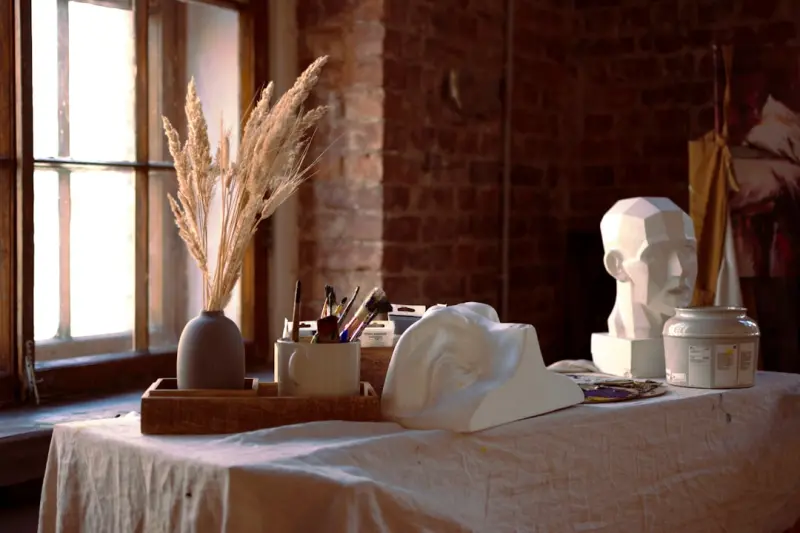
Designing Interiors That Nurture Body, Mind, and Soul
Discover fresh interior design strategies that prioritize wellbeing, sustainability, and style—tur... Read More
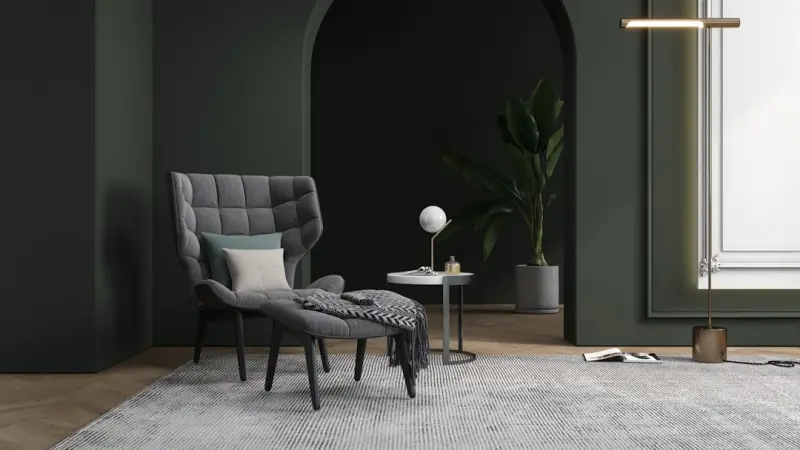
Designing Spaces That Listen: The Quiet Revolution in Interior Design
A deep dive into how acoustic treatments, biophilic touches, adaptive lighting, and modular furnitur... Read More
Lighting as Narrative: Crafting Mood with Layered Light
Explore the power of layered lighting—ambient, task, and accent—to create mood, support function... Read More
Top Posts

DIY Home Repair Toolkit: Simple Strategies for Everyday Fixes
Discover a practical DIY repair toolkit, step‑by‑step fixes for leaky faucets, squeaky doors, and wall cracks, plus seasonal maintenance tips to keep your h...Read More

The Importance of Professional Help in Home Maintenance
Maintaining a home can be daunting, but with professional help, homeowners can enjoy a beautiful, functional, and safe living space. Learn about the importance ...Read More
The Importance of Energy Inspections in Home Renovations
Energy inspections play a critical role in home renovations, helping homeowners identify energy-wasting areas and create a more sustainable living space. Learn ...Read More
Reimagining Sheds and Gazebos as Creative Outdoor Outposts
Explore how to convert ordinary sheds and gazebos into multi‑purpose outdoor outposts for work, wellness, and community, with step‑by‑step guidance on lay...Read More
0 Comments
Post Comment
You will need to Login or Register to comment on this post!