
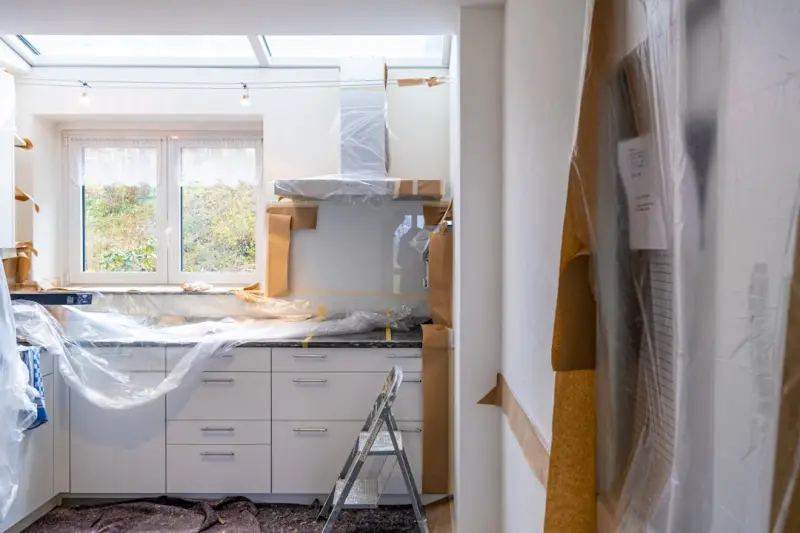
Why the Modern Kitchen Is Becoming the Home’s Central Hub
When I first started consulting on residential projects, the kitchen was a fairly predictable space: a place for cooking, a spot for family meals, and maybe a little counter‑top real‑estate for a coffee maker. Today, that definition has stretched dramatically. Homeowners are demanding a kitchen that can cook, collaborate, recharge, and even support sustainable living practices all at once. This shift isn’t just about aesthetics; it’s about re‑thinking the kitchen’s role in the broader narrative of how we live, work, and interact with technology.
From Recipe Book to Project Management Board
One of the most exciting trends I’m seeing is the convergence of kitchen design with the ergonomics of a coworking space. Remote work has turned many dining tables into desks, and the kitchen island is now the new conference table. This evolution forces us to consider lighting levels that don’t strain the eyes during a Zoom call, acoustic treatments that mute the hum of the refrigerator while a client presents, and power distribution that can handle multiple laptops, tablets, and smart appliances simultaneously.
Designing for this dual‑purpose environment means treating the kitchen as a flex‑zone. The countertop should accommodate a chopping board on one side and a sleek laptop stand on the other. Seating isn’t just a stool for a quick bite; it’s a modular bench that can be pulled out for brainstorming sessions. And the layout must flow so that the “cook” and the “collaborator” can coexist without stepping on each other’s toes.
Smart Appliances: The Quiet Workhorse
Smart appliances have graduated from novelty gadgets to essential collaborators. A Wi‑Fi‑enabled oven can send a notification to your phone when the roast hits the perfect temperature, while a connected fridge can track inventory and suggest grocery orders. But the real power lies in integrating these devices into a unified home network that can be managed from a single dashboard.
Consider a scenario where a voice assistant not only starts the coffee maker but also dims the lights, turns on background music, and opens a virtual whiteboard on the smart display mounted above the island. This level of automation reduces friction, letting you transition from a meeting to a meal with a single command. When designing the kitchen, plan conduit pathways and wireless routers early—future‑proofing the space for the inevitable upgrades in IoT technology.
Energy Efficiency Meets Culinary Creativity
Renovating a kitchen is the perfect opportunity to embed energy‑saving strategies that don’t sacrifice performance. Induction cooktops, for example, offer rapid heating with up to 90% efficiency compared to traditional gas burners. Pair them with a variable refrigerant flow HVAC system to maintain a consistent temperature across the cooking zone, preventing heat loss that can make the room uncomfortable during long prep sessions.
Beyond appliances, consider integrating renewable energy sources such as solar‑powered under‑counter lighting or a small photovoltaic panel on a nearby roof that feeds directly into the kitchen’s power circuit. These moves not only cut utility bills but also align the kitchen’s identity with the broader sustainability goals that many homeowners prioritize today.
Material Choices That Tell a Story
Gone are the days of choosing countertops solely for durability. Today, homeowners want surfaces that speak to their values. Recycled glass, reclaimed wood, and even sustainable stone composites are gaining traction. These materials provide the ruggedness needed for daily cooking while reducing the environmental footprint of the renovation.
But there’s a subtle art to balancing story and function. For instance, a reclaimed wood slab can make a stunning island, yet it must be sealed properly to resist moisture and heat. Similarly, a concrete countertop offers industrial chic, but integrating a heat‑resistant sealant is critical to avoid staining from hot pots. The goal is to curate a palette that feels authentic without compromising on performance.
Storage Solutions That Adapt With You
Traditional cabinets are being replaced by dynamic storage ecosystems. Pull‑out pantry drawers, motorized lift‑up shelves, and hidden compartments that appear on demand are becoming standard. These solutions free up floor space, making the kitchen feel larger—an essential quality when the area doubles as a workspace.
One of my favorite innovations is the “smart pantry” that uses RFID tags on containers to track inventory levels. When an item runs low, the system can automatically add it to your grocery list or even place an order with your preferred delivery service. This reduces waste, ensures you never run out of essentials, and frees mental bandwidth for the more creative aspects of cooking or project planning.
Integrating Wellness Into the Culinary Space
Health‑focused design isn’t limited to gyms or meditation rooms. The kitchen can be a sanctuary for well‑being if you incorporate elements like proper ventilation, natural light, and biophilic design. An overhead range hood that efficiently expels cooking fumes is crucial, but so is a strategically placed window that invites fresh air and daylight. When possible, incorporate indoor plants that thrive in kitchen humidity—herbs like basil, rosemary, and mint not only enhance flavor but also improve air quality.
Furthermore, think about ergonomics. Counter heights that accommodate both standing and seated work reduce strain, while rounded countertop edges prevent accidental injuries. Even the choice of flooring matters; a slip‑resistant, cushioned material can alleviate fatigue for those who spend long hours on their feet.
Future‑Proofing: Planning for the Unknown
Renovations are a snapshot of today’s needs, but a well‑designed kitchen should anticipate tomorrow’s trends. Leaving extra conduit space behind walls, installing modular cabinetry that can be reconfigured, and selecting appliances with firmware that can be updated over the air are all strategies that keep the kitchen relevant for years to come.
One practical tip: create a “renovation buffer” in your budget and timeline. Allocate about 10–15% of the total cost for unforeseen technology upgrades or material substitutions. This cushion ensures that when a breakthrough—like a new low‑energy dishwasher—hits the market, you can adopt it without a major overhaul.
Connecting the Kitchen to the Rest of the Home
While the kitchen is emerging as a central hub, it should still feel part of a cohesive whole. Open‑plan layouts can blur the line between cooking and living spaces, but you must maintain clear zones to prevent traffic congestion. Use flooring transitions, ceiling lighting tiers, or subtle color shifts to delineate areas without creating visual barriers.
And don’t forget the exterior. A well‑designed kitchen that opens to an outdoor patio or garden can extend the workspace, providing fresh air for cooking and a pleasant backdrop for informal meetings. Incorporating weather‑proof appliances and durable, low‑maintenance surfaces ensures that the indoor‑outdoor flow remains seamless throughout the seasons.
Conclusion: The Kitchen as a Living, Learning Lab
The modern kitchen is no longer just a place to prepare meals; it’s a dynamic environment that supports work, wellness, sustainability, and community. By embracing smart technology, sustainable materials, adaptable storage, and ergonomic design, you can create a space that grows with your family’s evolving needs. Remember, a successful renovation is as much about the invisible infrastructure—data pathways, power distribution, and future‑proofing— as it is about the visible finishes. When you treat the kitchen as a living lab, you unlock a world of possibilities that turn everyday cooking into an act of innovation.

David MacKinnon is a dynamic freelance writer known for his captivating storytelling and keen insights into the world of technology. With a passion for exploring the intersection of innovation and everyday life, he crafts engaging narratives that not only inform but also inspire his readers.
Related Posts

Redesigning the Heart of the Home: A Data‑Driven, Human‑Centric Kitchen Renovation Blueprint
Discover how a data‑first approach, modular island design, high‑tech coatings, and sustainable m... Read More
Designing a Kitchen That Grows With Your Life
Learn to design a kitchen that evolves with your family, blending adaptive zones, smart storage, and... Read More
Designing a Kitchen That Works: Flow, Function, and Future‑Proofing
I share the behind‑the‑scenes decisions that turned a cramped cooking space into a seamless, fut... Read More
Top Posts

Cultivating a Sensory Garden: A Personal Journey to a Living Sanctuary
Explore a personal guide to building a sensory garden that blends fragrance, texture, edible plants, and sustainable design, turning any backyard into a living ...Read More
Design‑Build Mastery: Blending Vision, Efficiency, and Green Thinking
A design‑build approach merges creativity, client collaboration, and green strategies to create homes that are beautiful, efficient, and built to last. Learn ...Read More

Bringing Nature Inside: How Biophilic Commercial Renovations Drive Business Success
Explore the power of biophilic design in commercial renovations—learn how natural elements improve health, productivity, and ROI while creating adaptable, fut...Read More

Creative Drywall Finishes: Turning Plain Walls into Personalized Spaces
Explore how to upgrade drywall from a simple partition to a design asset with creative finishes, sound solutions, and green materials....Read More
0 Comments
Post Comment
You will need to Login or Register to comment on this post!